
Table of Contents
Why the Southern Highlands Deserve Your Itinerary
The southern highlands of Ecuador offer a compelling mix of colonial architecture, cloud forests, craft traditions, and microclimates that suit every traveler. If you want culture, outdoor adventure, excellent healthcare for peace of mind, and a slower pace than Ecuador’s major coastal cities, Cuenca, Loja, and Vilcabamba make a superb triangle to explore. This guide gives you practical tips, day-trip ideas, and local details to make your time in the region rich and hassle-free.
Quick Overview: What to Expect in Each Town
Before diving into logistics, here’s a snapshot of the three highlights:
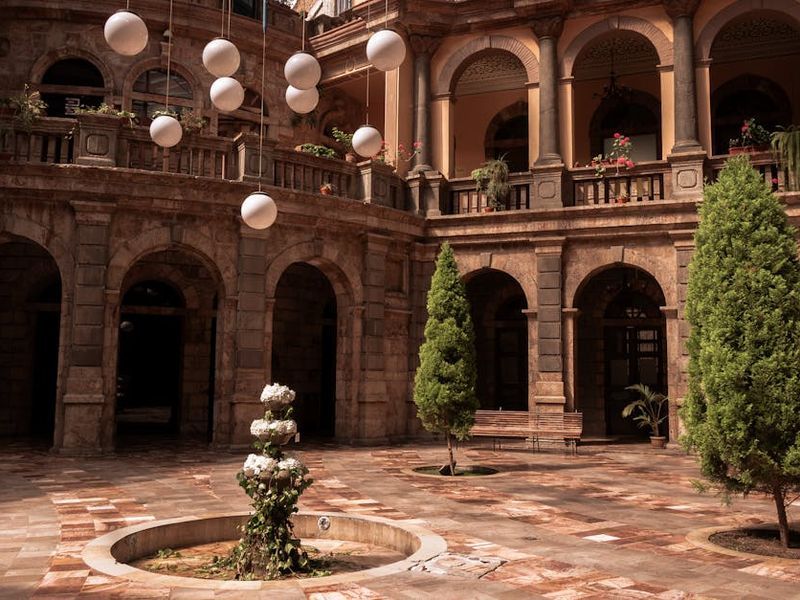
- Cuenca: A UNESCO-listed colonial city with red-domed cathedrals, artisan markets, and proximity to Cajas National Park and Ingapirca ruins. Elevation ~2,560 meters; expect crisp, highland weather.
- Loja: Known as Ecuador’s musical and cultural heart, Loja offers pleasant plazas, excellent birdwatching near Podocarpus National Park, and a calm downtown ideal for strolling. Elevation ~2,100 meters.
- Vilcabamba: A lush valley with a warmer microclimate where yoga studios, retreats, and an expatriate community gather. It’s low-key, outdoorsy and famed for its laid-back lifestyle. Elevation ~1,500 meters.
Getting There and Getting Around
Airlines and Airports
Cuenca’s airport (Mariscal La Mar, IATA: CUE) has domestic connections to Quito and Guayaquil and occasional regional flights. Many international travelers fly into Quito or Guayaquil and continue by air or bus to Cuenca. Picking a flight into one of the two big hubs and then flying to Cuenca saves time for tight schedules.
Buses, Shuttles and Private Transfers
Long-distance buses between Guayaquil, Cuenca, and Loja are comfortable and frequent; expect modern, reclining buses with onboard restrooms for 3–6 hour journeys depending on the route. For shorter trips (for example, Cuenca to Vilcabamba), regional buses and shared taxis or shuttle services are inexpensive and straightforward—ask your host or hotel to recommend a reliable shuttle company.
Local Transport Tips
- Cuenca taxis are plentiful; many drivers will agree on a fare with you rather than use a meter. For evening travel or confidence, request a taxi from a restaurant, hotel, or use a local app if available.
- In small towns like Vilcabamba, walking and short taxi rides are the norm. Bring cash for taxis as card machines may not be available.
- Car rentals are a good option if you want flexibility, but roads into national parks or rural valleys can be steep and narrow—choose a vehicle you’re comfortable driving on mountain terrain.
When to Visit: Weather and Microclimates
The southern highlands span a range of altitudes, so microclimates vary dramatically. Cuenca’s higher elevation means cooler days and cold nights—layers are essential. Vilcabamba, lower and sheltered, is warmer and often described as having near-perfect temperatures year-round. Loja sits between and brings cloud-forest humidity with frequent mist and bouts of sunshine.
High season for visitors tends to coincide with dry months (June–September), but shoulder seasons are pleasant and less crowded—expect afternoon showers in many months, so always pack a light rain jacket.
Top Things to Do in Cuenca
Cuenca is rich in architecture, museums, and artisan traditions. Don’t rush through the city—plan at least two full days to see the highlights and soak in the neighborhood rhythms.
- Walk the Historic Center: The cathedral(s) with their distinctive blue domes dominate Parque Calderón. Stroll cobbled streets, visit artisan shops, and watch hat weavers at work in the nearby neighborhood of San Sebastián.
- Museo Pumapungo: An archaeological and ethnographic museum that gives context to the region’s indigenous and colonial history; it has impressive ruins and gardens on site.
- Mirador Turi: A short drive or steep hike from the center, it’s the classic viewpoint for sweeping city panoramas.
- Cajas National Park: A half-day to full-day trip from Cuenca—hike to glacial lakes, look for Andean wildlife, and wear warm layers; mornings can be freezing.
- Ingapirca: The region’s largest Inca site is an accessible day trip and offers insight into pre-Columbian architecture and history.
- Markets and Food: Sample local specialties at Mercado 10 de Agosto or Mercado Municipal; try hornado (roast pork), llapingachos (potato patties), and fresh fruit juices.
Exploring Loja: Music, Birds and Quiet Streets
Loja’s compact downtown is ideal for relaxed wandering. The city is less visited by international tourists than Cuenca, which gives it an authentic, lived-in feel.
- Enjoy the Plaza: The central square and surrounding streets have coffee shops, bakeries, and small museums. It’s a great place to people-watch and listen to street musicians.
- Podocarpus National Park: Venture into cloud forests for exceptional birdwatching—bring binoculars. This park spans a big elevation range and hosts diverse habitats, from páramo to evergreen forest.
- Local Culture: Loja hosts musical events and conservatory concerts regularly—check local listings for live performances that highlight Ecuadorian music traditions.
- Day Trips: Explore nearby waterfalls and quiet mountain hamlets. The surrounding countryside is scenic and sparsely populated—ideal for nature walks.
Why Vilcabamba Is a Valley for Slow Travel
Often called the Valley of Longevity, Vilcabamba draws travelers for its gentle climate, hiking, and wellness culture. It’s ideal if you want to slow down, practice yoga, visit small farms, or explore lowland trails without the crowds.
- Hike and Swim: There are easy-to-moderate hikes to viewpoints and nearby waterfalls. River swimming and natural pools are refreshing on warm afternoons.
- Wellness and Food: The town offers yoga classes, healing retreats, and vegetarian-friendly cafes. Local markets sell fresh produce and artisanal goods sourced from the valley.
- Meet the Community: Spend time in the central plaza to connect with small shops and expat-run businesses. Locals are friendly and often happy to point you to less-visited trails.
Practical Safety and Health Tips
Overall, these towns are safe for travelers, but standard precautions apply: watch valuables in crowded areas, use hotel-recommended taxis at night, and keep copies of important documents. Cuenca has reputable private hospitals and clinics, and many doctors speak English; having travel insurance that covers medical evacuation is wise for remote hikes.
Altitude tips: Cuenca’s elevation means some travelers experience mild altitude effects—headaches or shortness of breath. Rest, hydrate, avoid strenuous activity the first day, and consider taking it slow if you have cardiorespiratory conditions. Vilcabamba’s lower altitude makes it easier to adjust after time in higher towns.
Budgeting and Practical Costs
Ecuador uses the US dollar as legal currency, so budgeting is straightforward. Local markets and street food are very affordable; sit-down meals in mid-range restaurants are reasonable. Prices rise in tourist-oriented restaurants and boutique hotels.
- Street food and market meals: very affordable
- Mid-range restaurants: moderate cost
- Private accommodations and boutique lodges: higher, especially during high season
Cash is king in smaller towns and markets; ATMs are available in Cuenca and Loja but can be scarcer in Vilcabamba, so carry some cash when heading into rural areas.
Connectivity: Internet, SIMs and Language
Major towns have reliable Wi-Fi in hotels, cafés, and many shops. For mobile data, local SIM cards from carriers such as Claro or Movistar are inexpensive and provide adequate coverage across the highlands—purchase at official stores and have your passport handy. Spanish is the dominant language; learning basic phrases goes a long way, though younger people and service staff in Cuenca often have some English.
Where to Stay: Neighborhoods and Styles
Cuenca offers choices from hostels and budget hotels to boutique properties in restored colonial houses. Stay near the historic center (El Centro) for easy walking access to main sights, or choose quieter neighborhoods for a more residential feel. Loja’s accommodations are smaller and often family-run inns; Vilcabamba has guesthouses, eco-lodges, and small hotels suited to longer stays or retreats.
Sample Itineraries
7-Day Southern Highlands Highlights
- Day 1–2: Arrive in Cuenca — explore the historic center, Museo Pumapungo, and Turi viewpoint.
- Day 3: Day trip to Cajas National Park or a half-day to Ingapirca ruins.
- Day 4: Travel to Loja — afternoon stroll and concert if available.
- Day 5: Podocarpus National Park or local birdwatching tour.
- Day 6–7: Vilcabamba — relax, gentle hikes, wellness activities, and market shopping.
Two-Week Slow Travel
Spend extra time in each location to dig deeper: take a Spanish class in Cuenca, join a multi-day guided trek near Loja, and book a week at a retreat or volunteer with a local farm in Vilcabamba. The slower pace allows you to savor local food, build relationships, and learn regional crafts.
Food, Markets and Local Flavors
Local cuisine reflects highland staples: potatoes, corn, pork, and hearty stews. Cuenca’s markets are excellent places to sample local sweets, corn-based dishes, and fresh juices. Vilcabamba’s cafes often focus on organic and vegetarian options. Don’t miss artisan markets where you can buy woven goods, leather, and Cuenca’s famous Panama-style hats (actually woven in Ecuador).
Sustainable and Respectful Travel Tips
- Support local businesses—buy crafts directly from artisans and eat at locally owned restaurants.
- Follow trail guidelines in national parks; pack out what you carry in.
- Learn a few Spanish phrases and basic cultural norms—politeness goes a long way.
Final Practical Checklist
- Layered clothing for highland temperature swings
- Good walking shoes and a light rain jacket
- Cash in small bills and an ATM card for towns with banks
- Portable charger, binoculars for birdwatching, sunscreen for high-altitude sun
- Travel insurance and a basic first-aid kit
Wrapping Up: How to Make the Most of Your Visit
The southern highlands blend cultural depth and varied landscapes. Give yourself time to acclimate, favor local guides for specialized trips like birdwatching or archaeological tours, and allow idle afternoons in plazas or cafes — some of the region’s best experiences are unplanned. Whether you’re drawn by Cuenca’s colonial charm, Loja’s musical soul, or Vilcabamba’s restorative valley life, this region of Ecuador rewards curiosity and a relaxed pace.
Plan ahead for transport between towns, pack for diverse weather, and be open to spontaneous invitations to concerts, markets, or hikes. You’ll leave with memories of blue-domed skylines, cloud-forest trails, and a strong sense of why the southern highlands are one of Ecuador’s most captivating regions.