
Table of Contents
Why the Southern Highlands Deserve a Spot on Your Ecuador Itinerary
The Southern Highlands of Ecuador combine colonial charm, cloud forests, and a relaxed pace that’s popular with travelers and expats alike. From Cuenca’s UNESCO-listed cobblestone center to Loja’s rich musical traditions and Vilcabamba’s valley of long-livers, this compact region gives you cultural depth, outdoor adventure, and comfortable towns where life feels a little slower.
Overview of the Three Main Stops
Before diving into specifics, here’s a quick snapshot of each place to help you plan: Cuenca is the cultural and infrastructural hub — museums, hospitals, international flights via nearby airports, and a lively historical center. Loja is smaller, known as Ecuador’s music and arts city and a gateway to Podocarpus National Park. Vilcabamba is a lush valley favored by nature lovers and retirees because of its mild climate, easy hiking, and reputation for longevity.
Cuenca: History, Practicalities, and the Must-Sees
Why stay in Cuenca
Cuenca (elevation ~2,500 m) is one of Ecuador’s most visitor-friendly cities. It balances a large-city range of services — private clinics, good grocery stores, banking, and reliable internet — with an eminently walkable historic center. If you’re an expat considering a longer stay, Cuenca’s variety of neighborhoods and health infrastructure are big draws.
Top attractions
- Parque Calderón (Plaza Abdon Calderón) — the heart of the city and an excellent starting point for exploring nearby churches and cafés.
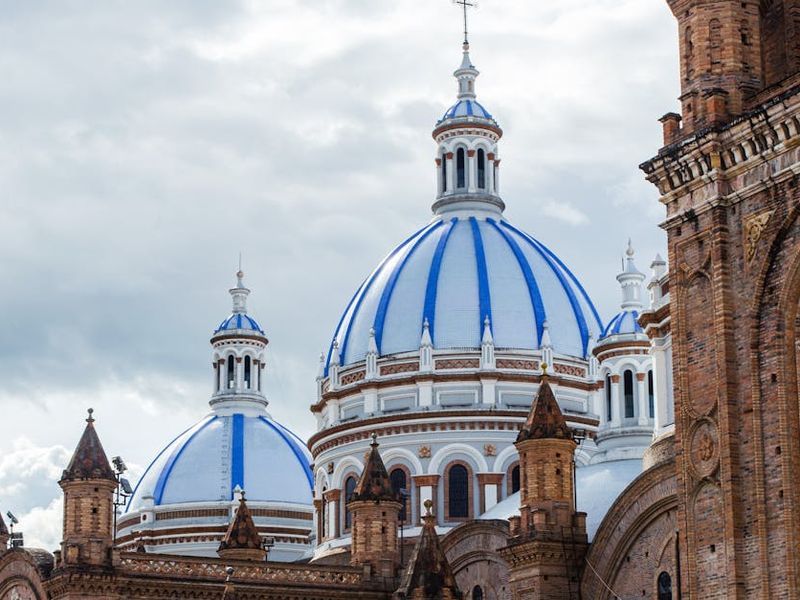
- The New Cathedral — iconic blue domes visible across the city; climb the towers for panoramic views.
- Museo Pumapungo — archaeology and ethnography collections that contextualize the region, with ruins and a botanical garden.
- Tomebamba Riverwalks — beautifully maintained riverside promenades that cut through different barrios.
- El Mercado Central and local food markets — ideal for trying traditional dishes and fresh produce.
- Cajas National Park — a highland lakes and páramo ecosystem, perfect for day hikes and wildlife watching, roughly an hour’s drive from Cuenca.
Neighborhoods and where to stay
Look for accommodation in or near the historic center (El Centro) for immediate access to attractions. For quieter, residential options with good views, consider barrios north of the river. Short-term visitors will find comfortable hostales and mid-range hotels clustered around Parque Calderón, while long-term renters often prefer apartments near the river or in modern sectors with supermarkets and gyms.
Practical tips for Cuenca
- Healthcare: Cuenca has private hospitals and dental clinics that are affordable and high quality by regional standards — bring copies of prescriptions if you rely on medication.
- Transport: Use metered taxis (insist on the meter), city buses for cheap transport, or walk central areas. The bus terminal (Terminal Terrestre) connects to Loja and Vilcabamba.
- Costs: Dining at local restaurants (menú del día) is inexpensive; expect higher prices in tourist-oriented cafes.
- Connectivity: SIM cards from major carriers are easy to buy at the airport or downtown stores; many cafés and hotels offer free Wi-Fi.
Vilcabamba: Valley Life, Hiking, and Slow Rhythms
What makes Vilcabamba special
Vilcabamba sits at a much lower elevation (around 1,500 m) than Cuenca, which gives it a warmer, nearly subtropical microclimate. It’s often called the “Valley of Longevity” — a mix of myth and reality fueled by fresh mountain water, unprocessed food, and an outdoor lifestyle. The town has a small but active expat community and caters to travelers seeking relaxation, yoga, and nature walks.
Things to do in and around Vilcabamba
- Hiking: Trails range from short valley walks to longer treks to viewpoints and waterfalls — many routes are clearly signed by local guides.
- Wellness and retreats: Yoga studios and holistic therapy centers are common and can be taken drop-in or for multi-day retreats.
- Local markets and eateries: Try fresh-fruit juices and locally raised meats. Many cafés focus on organic, farm-to-table cuisine.
- Day trips: Nearby waterfalls, waterfalls, and small villages make easy half-day explorations; some operators arrange horseback tours.
Staying safe and comfortable
Vilcabamba is small and safe by regional standards, but services are limited compared to Cuenca. If you need specialized medical care or major grocery items, plan a day trip back to Cuenca. Bring insect repellent and sun protection — the valley’s warmth can make the sun feel intense.
Loja: Music, Nature Gateways, and Authentic Ecuador
The cultural beat of Loja
Loja prides itself on its musical and cultural heritage. It’s quieter than Cuenca, with a more intimate downtown and a calendar of cultural events, art spaces, and conservatories. While it draws fewer tourists, Loja makes an excellent base for exploring cloud forests and unique biodiversity corridors.
Nature destinations near Loja
- Podocarpus National Park — cloud forest biodiversity, birding hotspots and excellent trails; ideal for guided hikes.
- Puyango Petrified Forest and surrounding dry forests — a fascinating geological site and an offbeat day trip.
- Local waterfalls and mountain viewpoints — many accessible within a short drive from town.
Practical notes for visitors
Loja has all basic services but fewer international amenities than Cuenca. It’s a great place to experience authentic southern-Ecuadorian life: local cuisine, music performances, and a relaxed pace. If you’re on a tight schedule, factor in travel time for day trips to surrounding parks.
Getting Between the Cities: Logistics and Options
Travel between Cuenca, Loja, and Vilcabamba is straightforward but varies by comfort level and speed. Intercity buses are the most common option — they’re frequent, inexpensive, and generally reliable. The Terminal Terrestre in each city is the departure point for most routes. Private shuttles and taxis offer faster, door-to-door service for travelers willing to pay more.
- Cuenca to Vilcabamba: About 1.5–2 hours by road depending on stops and traffic; ideal as a short escape from Cuenca.
- Cuenca to Loja: Approximately 4–5 hours by bus; plan on a full travel day if you’re moving between the two.
- Loja to Vilcabamba: Around 2–3 hours; routes are scenic but can be winding in places.
If you prefer to fly, there are regional flights into Loja from Quito or Guayaquil, but schedules can be limited. Most travelers combine at least two of these stops on a single itinerary and rely on land transport for the scenic overland experience.
Food, Markets and Local Flavors
The Southern Highlands are a culinary crossroads. In Cuenca you’ll find everything from street-food classics to refined restaurants. Must-try items include hornado (slow-roasted pork), hearty soups for chilly evenings, and Ecuadorian staples like llapingachos (potato patties) and mote (hominy).
Vilcabamba and Loja are great for fresh fruit, juices, and dishes that reflect the valley and cloud-forest agriculture. Be adventurous: local markets are the best places to find regional specialties and to practice Spanish.
When to Visit and Weather Considerations
The Highlands have microclimates — Cuenca is high and cool, Loja is a little warmer and drier, and Vilcabamba is the warmest of the three. Rainfall tends to be heavier in the wet season (roughly from October to May, varying by year), and afternoons can be showery. Pack layers: sunny mornings, brisk mid-days, and cool evenings are common, especially in Cuenca.
Safety, Money and Practical Tips
- Currency: Ecuador uses the U.S. dollar — cash is handy for market vendors and taxis, but cards are widely accepted in larger establishments.
- ATMs: Available in all three towns, but carry backup cash for rural excursions.
- Safety: Common-sense precautions apply — keep valuables in a hotel safe, use official taxis at night, and be mindful of pickpocketing in crowded markets.
- Language: Spanish is dominant. A few people speak English in tourist services, but learning basic Spanish phrases significantly improves the experience.
- Connectivity: Mobile networks are decent in towns; rural trails may have no signal. Download maps and contacts before day trips.
Suggested Itineraries
Here are two sample itineraries depending on how much time you have:
One-Week Snapshot
- Day 1–3: Cuenca — explore the historic center, Museo Pumapungo, day trip to Cajas National Park.
- Day 4–5: Vilcabamba — relax, short hikes, wellness activities.
- Day 6–7: Loja — enjoy live music, visit a cloud-forest reserve, and soak up the local atmosphere.
Two-Week Deep Dive
- Days 1–4: Cuenca — add workshops (panama hat weaving, ceramics), culinary tours, and a trip to Ingapirca ruins or nearby craft towns like Gualaceo and Chordeleg.
- Days 5–9: Vilcabamba — longer hikes, volunteer with local conservation projects, and join wellness retreats.
- Days 10–14: Loja — multi-day birding or Podocarpus trek, attend a music performance, and plan a leisurely drive through adjacent valleys.
Packing List and Final Practical Tips
Pack layered clothing (light jacket, fleece, waterproof shell), comfortable walking shoes, sunscreen and a sunhat, insect repellent, a reusable water bottle, and copies of important documents. If you plan to hike Cajas or Podocarpus, bring trekking poles and warm clothes for higher elevations.
Finally, embrace slow travel. The Southern Highlands reward travelers who linger and talk to locals. Whether you’re scouting Cuenca as an expat base, chasing waterfalls around Loja, or seeking calm in Vilcabamba’s valley, leave space in your schedule for unplanned detours — a roadside fruit stand, a local musician’s performance, or a conversation that leads you to a hidden trail.
With practical planning and open curiosity, Ecuador’s southern highlands will repay you with memorable landscapes, warm hospitality, and a deeper sense of the country’s cultural and ecological diversity.