
Table of Contents
Why Spend a Week in Cuenca?
Cuenca, Ecuador’s UNESCO-listed colonial jewel, rewards slow travel. In seven days you can stroll the handsome plazas, dive into museums and markets, sample local cuisine, and take several short day trips into the surrounding highlands. This guide arranges a comfortable pace—time to acclimatize to the 2,560 m altitude, soak up culture, and still get outdoors.
Practical Essentials Before You Go
Before the daily plan, a few practical tips will make your week smoother:
- Currency: Ecuador uses U.S. dollars. Carry small bills and some cash for markets where cards aren’t accepted.
- Altitude: Cuenca sits around 2,560 meters (8,400 feet). Take it easy the first 24–48 hours: hydrate, avoid heavy exertion, and sleep well. If you have heart or respiratory conditions, consult your doctor.
- Weather: The climate is mild year-round but changeable—bring layers, a waterproof jacket, and a sunhat. Nights get chilly.
- Connectivity: Buy a local SIM (Claro or Movistar) at the airport or city shops, or rely on hotel/café Wi‑Fi. Many cafés and restaurants around the historic center offer reliable internet.
- Safety: Cuenca is among Ecuador’s safest major cities, but petty theft happens. Use a daypack with zips, keep valuables secure, and avoid isolated areas at night.
- Transport: The historic center is very walkable. Taxis are cheap (negotiate or ask for the city taxi rate), and regular buses and private day-tour vans connect to regional attractions.
Where to Stay
Pick accommodation in or adjacent to the Historic Center (around Parque Calderón) for maximum convenience. Boutique hotels inside remodeled colonial buildings give fantastic character and short walks to the main sights. If you prefer quieter evenings, neighborhoods on the riverbanks (El Barranco) or a short cab ride to Turi offer calm and viewpoints.
One-Week Itinerary Overview
This daily plan balances history, culture, shopping, nature, and relaxation. Each day includes options if you prefer a slower pace.
Day 1 — Arrival and a Gentle Introduction
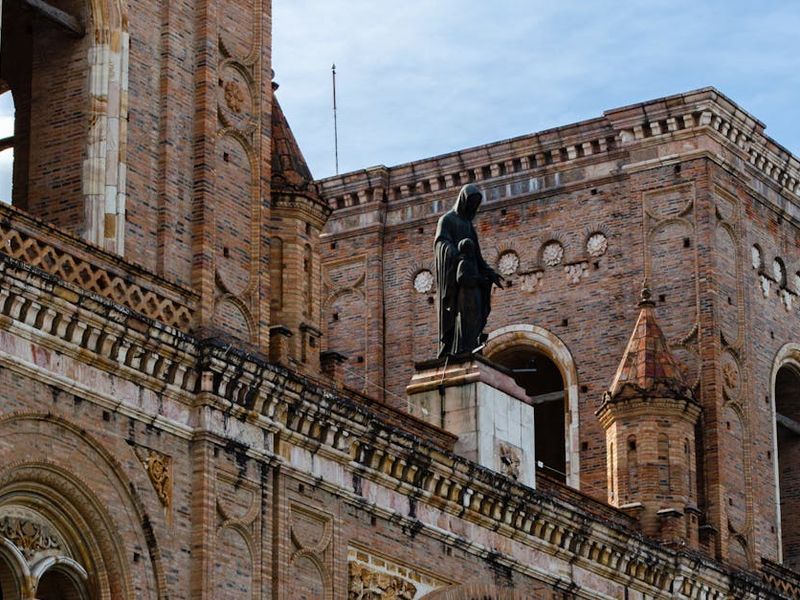
Arrive, check into your hotel, and spend the afternoon acclimating with easy activities: a relaxed walk around Parque Calderón to admire the towers and blue domes of the New Cathedral (Catedral de la Inmaculada Concepción), an espresso at a nearby café, and a stroll along the River Tomebamba. This river has pretty promenades and bridges ideal for photos and people-watching.
For dinner, try a casual restaurant near the plaza—sample llapingachos (potato cakes), hornado (slow-roasted pork), or a fresh seafood ceviche if you’re craving coastal flavors.
Day 2 — Historic Center and Key Museums
Devote a full morning to the historic core. Start with the Cathedral’s interior and rooftop (if open) for panoramic views. Then visit the nearby Museo del Banco Central, a well-curated museum with archaeological and colonial artifacts, and the Municipal Museum (or a local art museum) to learn about Cuenca’s artistic life.
After lunch at Mercado 10 de Agosto or another food market, stroll to the Old Cathedral and the artisan shops around Calle Larga. The markets are perfect for a casual shopping session—look for fresh fruit juices and local snacks while you browse.
Day 3 — Pumapungo and the Cultural Corridors
Visit Pumapungo, an archaeological park and museum managed by the Banco Central. Pumapungo combines archaeological remains with an ethnobotanical garden and traditional artisans—a compact way to understand the Cañari and Inca influences in the region. The onsite museum contains impressive textile and ceramic collections.
In the late afternoon, head to El Barranco for riverside cafes and the artsier side of Cuenca. The atmosphere here is relaxed and a great place to preview local craft stores and galleries before you shop for keepsakes later in the week.
Day 4 — Gualaceo and Chordeleg: Craft Towns
Take a day trip east into the subtropical valleys to the artisan towns of Gualaceo and Chordeleg (about 45–90 minutes by van or bus). Gualaceo is known for woven textiles and a lively market selling everything from fresh produce to handcrafts. Chordeleg is the place to go if you’re after silver filigree jewelry and finely crafted leather goods.
Many workshops accept visitors; ask if you can watch artisans at work or commission a custom piece. Return to Cuenca in the early evening and enjoy a quiet dinner—try a local trout dish which is popular in the surrounding highlands.
Day 5 — Cajas National Park: Lakes, Hikes, and Highland Scenery
No visit to Cuenca is complete without a trip to Parque Nacional Cajas. Just under an hour’s drive from Cuenca, Cajas is a rugged landscape of glacial lakes, high moorland (páramo), and dramatic views—an excellent spot for nature lovers and photographers.
Book a guided hike if you prefer structure: guides know the best lakes (Laguna Toreadora and others), and the weather can shift quickly. Wear waterproof layers, sturdy boots, and bring snacks, water, and sunscreen. The air is notably colder and thinner—pacing yourself is key.
Day 6 — Ingapirca Ruins or Slow Cultural Day
Option A: Take a full-day excursion to Ingapirca, Ecuador’s largest Inca archaeological site, roughly 1.5–2 hours from Cuenca. The ruins showcase a remarkable stone temple and terraces with a strong sense of lunar and solar alignment. Guided tours provide context about Inca engineering and pre-Inca cultures.
Option B: If you prefer to stay local, spend the day in Cuenca exploring smaller museums, take a cooking class to learn to prepare Ecuadorian favorites, or relax in a spa—Cuenca has several good wellness centers that use local herbs and thermal therapies.
Day 7 — Markets, Miradors, and Farewell
Reserve your last day for slow shopping and favorite sights. Revisit your favorite market stalls to buy finished souvenirs, and then take a taxi up to Mirador de Turi for sweeping views of the city—sunrise or sunset are magical times for photos. If you’re up for one last cultural experience, catch a folk music or dance show, often scheduled at small theaters or cultural centers in the evenings.
End your week with a special meal—many restaurants in Cuenca offer tasting menus highlighting regional ingredients, or you can enjoy a rooftop dinner with cathedral views.
Where to Eat: Local Flavors and Café Culture
Cuenca’s culinary scene ranges from street food to inventive farm-to-table restaurants. Don’t miss:
- Mercado 10 de Agosto for cheap, authentic dishes (lunchtime is busiest).
- Traditional eateries serving hornado (roast pork), llapingachos, and mote (hominy).
- Seafood ceviche and fresh trout in local restaurants—Ecuadorian seafood is distinct and delicious.
- Do try cuy (guinea pig) if you’re adventurous; it’s a traditional celebratory dish.
- Abundant cafés near Parque Calderón for coffee, pastries, and people-watching—perfect for slow mornings.
Shopping and Souvenirs: What to Bring Home
Cuenca is a great place to buy artisanal goods. Look for:
- Toquilla straw hats (often called Panama hats)—check weave quality and shop from reputable vendors.
- Silver filigree from Chordeleg or small boutiques within the city.
- Handwoven textiles, alpaca garments, and traditional ponchos from local artisans.
- Ceramics and artisanal chocolates for edible souvenirs (pack carefully for flight).
Practical Tips for Getting Around and Booking Tours
Most of the Historic Center is best explored on foot. For day trips, local tour agencies offer shared and private tours departing from central locations near Parque Calderón or the bus terminal. Buses to nearby towns and national park gates run regularly from the Terminal Terrestre; expect modest fares and variable schedules.
Taxis are plentiful—Agree on a fare before you get in if the driver won’t use a meter. Ride-hailing apps may be available in Cuenca, but availability can be hit-or-miss; having local cash for short trips is handy.
Health, Insurance, and Emergencies
Bring any prescription medications in their original containers along with copies of prescriptions. Cuenca has capable private clinics and hospitals, and many doctors speak at least basic English—travel insurance that covers medical evacuation is recommended if you have serious health concerns.
Cultural Etiquette and Photography
Ecuadorians are generally warm and polite—greet people with a handshake and use formal greetings (