
Table of Contents
Introduction: Dental care that doubles as a vacation
If you need dental implants, crowns, or veneers but dread the cost and long waits at home, Cuenca, Ecuador deserves serious attention. This UNESCO-listed colonial city in the southern Andes has quietly become a top dental tourism destination. Patients from the United States, Canada, and Europe choose Cuenca because it delivers dramatic savings (often 60–70% less than U.S. or Canadian fees), highly trained clinicians, modern clinics with cutting-edge technology, and an unbeatable recovery environment full of culture, parks and mild weather.
Why dental tourism in Cuenca makes sense
Dental tourism is popular when a destination combines affordability, quality and convenience. Cuenca checks every box. Compared to the cost of implants, crowns and veneers in the U.S. or Canada, visitors routinely save more than half the price without trading off clinical expertise. That makes extensive work — full-arch implants, multiple crowns, smile makeovers — attainable in a way it often isn’t at home.
Massive cost savings: How much you can save
The most compelling number for many patients is cost. Typical ranges you’ll hear in Cuenca clinics look like this:
- Dental implant (including abutment and crown): $700–$1,200 versus $2,500–$4,500+ in the U.S./Canada.
- Porcelain crown: $150–$300 versus $800–$1,500 at home.
- Porcelain veneer: $200–$400 versus $900–$2,000 each in North America.
These figures vary by clinic and materials, but the headline is consistent: 60–70% savings on equivalent work. When you factor in affordable travel and comfortable lodging, the overall value is often unbeatable — especially for multiple procedures or full-mouth reconstructions.
World-class dentists and modern clinics
Cuenca’s dental community includes clinicians trained at top universities in Ecuador and abroad, many of whom complete advanced residencies and continuing education in implantology, cosmetic dentistry and prosthodontics. Clinics in Cuenca often feature digital workflows you would expect in major cities: digital x-rays, 3D cone beam CT (CBCT) imaging for implant planning, intraoral scanners, and CAD/CAM milling systems that can supply same-day restorations.
It’s common to find English-speaking staff, individually tailored treatment plans, and partnerships with local dental labs that fabricate high-quality restorations. Many clinics offer warranties or follow-up care plans and coordinate teleconsultations before you travel so your first visit is efficient.
Short waits and personalized one-on-one care
One of the best parts of choosing Cuenca is speed and attention. Unlike crowded clinics in some other dental tourism hotspots, many Cuenca practices can schedule consultations and begin treatment quickly. Wait times for implants and crowns are often measured in days or weeks rather than months. You’ll also notice a personal touch: smaller patient loads create opportunities for one-on-one consultations, more time with the dentist during procedures, and careful post-op checkups.
Combining dental work with a restorative Andean getaway
Cuenca’s historic center — red-tiled roofs, riverside promenades and flower-bedecked parks — makes for a calming recovery setting. Instead of a sterile hotel lobby, your recovery could include gentle walks along the Tomebamba River, afternoon coffee at a sidewalk café, and visits to museums and artisan markets that don’t strain you physically. The city’s spring-like weather (average temps are comfortable year-round) helps healing: it’s cool, never extreme, and conducive to rest.
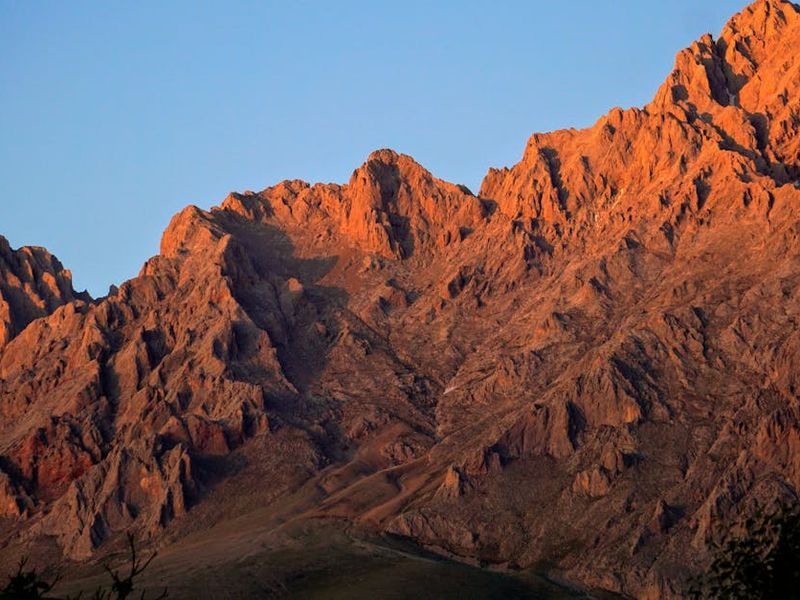
For many patients the idea of a “dental vacation” is literal: schedule the surgical phase early in your trip, rest and explore nearby attractions during the early healing period, then return for follow-up and final restorations. Popular day trips include the dramatic highland landscapes of Parque Nacional Cajas for easy hiking, the Incan ruins of Ingapirca for history, and the artisan markets in nearby towns for leisurely shopping.
Practical timeline for implants, crowns and veneers
Understanding timing helps plan your trip. Each case is unique, but here are common scenarios:
- Single implant with staged restoration: surgical implant placement, 3–4 months for osseointegration, then abutment and crown. Many patients make two trips — surgical placement and then final restoration — or arrange a local temporary crown and return for the final prosthesis.
- Immediate-loading implants (teeth in a day): some clinics offer protocols and implants that allow temporary crowns the same day as surgery, with final crowns later. This can reduce the number of trips.
- Crowns and veneers: with digital scanning and local labs, crowns and veneers can often be completed in 7–10 days. Same-day crowns are also available in some clinics equipped with CAD/CAM systems.
Discuss timelines with your chosen clinic early. Many practices in Cuenca provide teleconsultations and create an itinerary detailing how many days to stay for each phase.
Choosing the right clinic: what to look for
Find clinics that combine clear communication, documented credentials, and modern technology. Practical factors to evaluate include:
- Before-and-after photos and patient testimonials.
- Use of CBCT imaging and digital intraoral scanning for accurate planning.
- Information about implant brands and materials used (trusted international brands are preferred).
- Lab partnerships or in-house milling centers that speed turnaround.
- Transparent cost breakdowns, follow-up care policies, and any warranties.
Personal recommendations and reviews from recent patients are invaluable. Many Cuenca clinics will provide you with references and can arrange video calls so you meet the dentist before you travel.
Preparing for your dental vacation: smart packing and paperwork
Good preparation reduces stress. Before you go, make sure to:
- Obtain copies of your dental and medical history and any recent x-rays to send to the Cuenca clinic in advance.
- Check visa requirements for your nationality and confirm passport validity.
- Arrange travel insurance and consider a policy that includes medical evacuation if your case requires it; some policies also cover dental tourism-specific issues.
- Bring comfortable clothing, a travel pillow for flights, and any regular medications (with copies of prescriptions).
- Plan for a companion if you’ll have sedation or a major surgical day — it’s safer and more comfortable.
Recovery tips and the Cuenca advantage
Cuenca’s gentle climate and abundant green spaces are ideal for convalescence. After implants or more invasive procedures, light activity aids circulation but avoid strenuous exercise for the dentist’s recommended period. Helpful recovery strategies while staying in Cuenca:
- Stay in a centrally located hotel or rental near your clinic to minimize travel time for follow-ups.
- Explore quiet parks like Parque Calderón and the riverside Paseo 9 de Octubre for short walks that lift the mood without taxing your body.
- Enjoy soft local cuisine: Ecuadorian soups (sopas) and pureed dishes are both nourishing and gentle on the mouth.
- Use the city’s many pharmacies for over-the-counter essentials; pharmacists in Cuenca are accustomed to advising visitors and clinics can prescribe antibiotics and pain relief if needed.
Safety, regulations and continuity of care
Cuenca is considered one of Ecuador’s safest cities for tourists, with a well-established medical and dental tourism infrastructure. Clinics comply with local health regulations and many maintain international-standard sterilization and infection-control protocols. Before you travel, ask a clinic for details about sterilization procedures and accreditation they hold.
Equally important is continuity of care. Good clinics in Cuenca provide detailed post-op instructions, clear contact channels for questions after you return home, and coordinate with your local dentist on transfer of records and follow-up exams. This bridge between your Cuenca provider and your hometown dentist protects your long-term dental health.
Combining sightseeing with recovery: highlights of Cuenca
Cuenca is more than a treatment center — it’s a destination. Here are accessible activities that pair well with rest and recovery:
- Historic downtown: stroll slowly across the flower-filled parks, visit the Catedral Nueva and admire the city’s architecture.
- Tomebamba River walks: gentle, scenic routes perfect for short excursions.
- Local markets and artisans: El Mercado 10 de Agosto and nearby artisan stalls showcase Panama hats, ceramics and jewelry — great for light shopping.
- Parque Nacional Cajas: a day trip for easy hikes through lakes and moorland; altitude-aware visitors should go slowly but will enjoy dramatic vistas.
- Ingapirca ruins: a low-effort historical outing to Ecuador’s most famous Incan site.
Because Cuenca is a small city, most of these are short, low-impact excursions that don’t interfere with healing but leave you feeling refreshed.
Costs beyond dentistry: travel, lodging and value-added experiences
Even when you add flights and hotel nights, a dental vacation to Cuenca often remains far less expensive than paying full domestic prices for identical work. Affordable boutique hotels, mid-range hotels in the historic center, and a wide range of Airbnbs let you choose comfort and proximity to clinics. Many patients opt for a longer stay to enjoy the culture and pace of life — a smart investment considering the savings on the procedure itself.
Common patient FAQs
Here are answers to questions people often ask before booking a dental vacation to Cuenca:
- Will language be a problem? Many clinics have English-speaking dentists and staff; even where Spanish is primary, translators or bilingual staff are common.
- How safe is my money? Choose clinics with clear contracts, detailed cost estimates and documented treatment plans. Many accept credit cards and wire transfers; discuss payment terms up front.
- Can I get emergency care if needed? Cuenca’s medical facilities are modern and clinics have protocols for emergencies and referrals to nearby hospitals when required.
- Do implants and crowns last the same as at home? With proper materials, skilled placement and good oral hygiene, restorations from Cuenca clinics are comparable in longevity to those placed elsewhere.
Final checklist before you go
To ensure a smooth trip, finalize these items:
- Confirm your appointment schedule and travel dates with the clinic.
- Send all dental x-rays and medical history in advance.
- Plan accommodation near your clinic and map walking routes for post-op days.
- Arrange a companion for surgical days and first 24–48 hours after major procedures.
- Print out or save communications from the clinic, consent forms, and emergency contact numbers.
Conclusion: Exceptional value and a beautiful recovery setting
For implants, crowns and veneers, Cuenca, Ecuador offers a rare combination of things patients want: steep cost savings (often 60–70% compared with North American prices), skilled dentists trained at respected universities, modern clinics using advanced digital tools, short scheduling times and personal, attentive care. All of that is wrapped in a tranquil Andean city perfect for recovery and exploration.
If you’re considering major dental work, a dental vacation in Cuenca lets you restore your smile and enjoy a meaningful escape — an investment in both health and life experience that delivers exceptional overall value.