
Table of Contents
Why Cuenca is a Food Destination
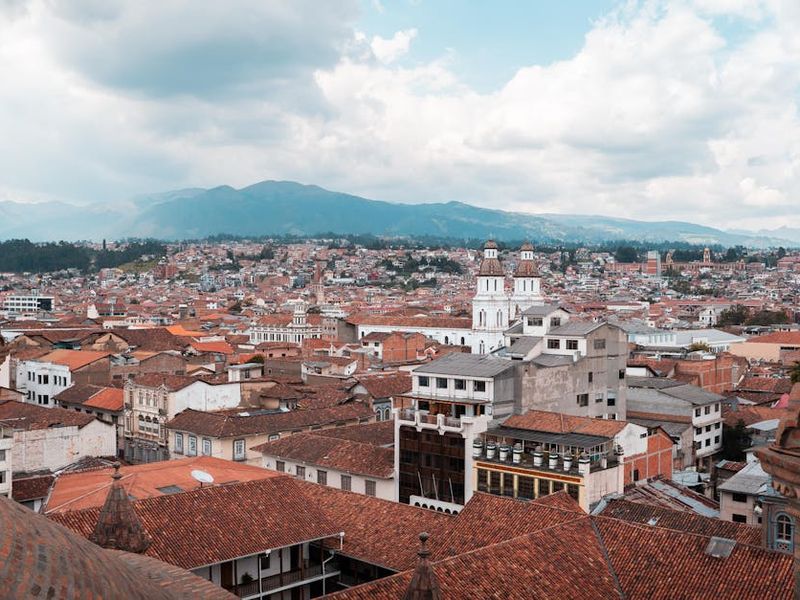
Cuenca’s compact historic center, highland climate, and rich agricultural surroundings combine to make an unexpectedly vibrant food scene. Local ingredients—potatoes, corn, cheese, fresh herbs, river fish and Andean pork—show up in centuries-old dishes and in modern, chef-driven plates. Whether you’re a budget-minded traveler hunting tasty mercados or an expat chasing fine dining and specialty coffee, Cuenca has layers of flavor to explore.
How to Use This Guide
This guide is organized by neighborhoods, meal types, and practical tips so you can plan everything from a street-food crawl to a special-occasion dinner. I’ll include what to expect on price, typical opening hours, and helpful Spanish phrases. Use it as a starting point to build your own favorite list—Cuenca is a city where the best finds are often the ones you stumble into more than once.
Neighborhoods and Where to Eat
Centro Histórico (Historic Center)
The heart of Cuenca—around Parque Calderón and the New Cathedral—is where many visitors start. Side streets hide family-run comedores (small diners) serving generous plates of hornado (roast pork), seco de chivo (stew) and llapingachos (stuffed potato patties). Expect lively plazas, cobblestone streets and a range of options from casual to upscale.
Calle Larga and the Northern Strip
Calle Larga is a long, walkable street with evening energy—bars, contemporary restaurants and bakeries. This is a great zone for eclectic menus that fuse Andean and international influences: think local cheeses on artisan toasts, tasting menus that spotlight Andean grains, and small plates perfect for sharing.
Riverside Dining along the Tomebamba
Restaurants facing the Tomebamba River offer scenic terraces that make a meal feel like an event. These spots are popular for lunch on sunny days and for sunset cocktails. They tend to be mid-range to upscale and are ideal if you want a relaxed meal with a view after visiting museums and churches nearby.
Barrio San Sebastián and Artisan Quarter
San Sebastián is quieter and more neighborhood-focused. Here you’ll find cozy cafés, intimate bistros and bakeries where locals pick up pastries on the way to work. The vibe is slower—perfect for a long brunch or coffee stop while exploring artisan shops.
Markets and Local Food Hubs
Market stalls are where the heart of Cuenca’s everyday food culture beats. A morning at one of the city markets will reward you with bowls of caldo de patas, plates of mote con chicharrón, and fresh fruit juices. Markets are also the best place to try regional cheeses, breads and snacks at local prices.
Must-Try Dishes in Cuenca
There are national Ecuadorian favorites and specialties with a distinct Andean twist. Here are dishes you should seek out:
- Llapingachos – Potato patties stuffed with cheese and served with a peanut sauce or chorizo; a comfort-food staple.
- Hornado – Slow-roasted pork, usually served with mote (hominy), salad and plantain.
- Cuy – Roasted guinea pig—an iconic Andean delicacy. Try it at a reputable comedor if you’re curious.
- Fritada – Fried pork, often with potatoes and corn; hearty and flavorful.
- Locro de papa – Creamy potato and cheese soup—great for chilly afternoons.
- Ceviche – Coastal influence; fresh citrus-cured seafood is widely available in urban restaurants.
- Empanadas de viento – Puffy cheese empanadas dusted with sugar—an afternoon snack classic.
- Choclo and Queso – Large Andean corn served with fresh cheese; simple, delicious.
Best Places for Every Budget
Cheap Eats (USD 2–6)
If you’re watching your wallet, head to a market for a plate of rice, beans, a protein, and a jugo natural (fresh fruit juice). Street stalls and mom-and-pop comedores serve filling lunch plates (almuerzos) that are both authentic and inexpensive. Look for menu del día signs—set lunches are often the best value.
Mid-Range (USD 8–18)
Many family-run restaurants and mid-priced bistros sit in this range. You’ll find creative takes on traditional dishes, better-service dining rooms, and cafés serving all-day breakfasts. Ideal for travel-friendly dinners that balance quality and cost.
Splurge & Fine Dining (USD 25+)
Cuenca’s fine-dining scene has grown. Expect tasting menus that highlight Andean ingredients—chefs experiment with native grains, micro-greens and ethically raised meats. Reserve in advance for special occasions and ask for wine pairings from Ecuadorian and international selections.
Vegetarian, Vegan and Gluten-Free Options
Vegetarian and vegan choices are increasingly common. Many restaurants will adapt dishes—substitute meat for beans or extra vegetables. Local staples such as mote, potatoes and fresh vegetables are naturally vegetarian-friendly. For gluten-free diners, corn-based dishes and grilled proteins work well, but always mention allergies plainly: “soy alérgico/a al gluten” or “sin gluten, por favor.”
Cafés, Chocolate and Dessert Culture
Cuenca takes coffee seriously. You’ll find specialty coffee shops pairing single-origin Ecuadorian beans with pour-over methods, espresso-based classics, and inventive espresso cocktails. Don’t miss the local bakeries (panaderías) for fresh bread and pastries.
Chocolate is another highlight. Ecuador is famous for cacao, and Cuenca has several small chocolate shops and ateliers where you can taste bean-to-bar chocolates and learn about local cacao varieties. For dessert, try heladerías selling unique fruit flavors—feijoa, naranjilla and tumbo are local favorites.
When to Go: Best Times and Hours
Typical opening hours:
- Markets: early morning (6–10am) for the freshest produce and prepared breakfast dishes.
- Lunch: many locals dine between noon and 2:30pm—set lunches are common.
- Dinner: restaurants usually open for dinner from 7pm to 10pm; finer dining may start reservations at 6:30pm.
- Cafés: often open mid-morning through early evening; perfect for a late breakfast or afternoon work session.
Weekends can be busy, especially evenings around Parque Calderón and Calle Larga. If you’re aiming for a popular spot—particularly at the higher end—book ahead.
Practical Tips: Paying, Tipping and Safety
Currency and Payment
Ecuador uses the U.S. dollar, which simplifies budgeting. Many restaurants accept cards, but small markets and street stalls usually prefer cash. Bring small bills for mercados and tips. ATMs are widely available in the center, but try to use bank ATMs and be mindful of fees.
Tipping
Service is often included as a 10% service charge—check your bill. If service isn’t included, leaving 10% is customary for good service. For market vendors and snack stands, tipping isn’t expected but rounding up is appreciated.
Health & Safety
Cuenca is generally safer than many other large cities in the region, but common-sense precautions apply: keep valuables discreet, use licensed taxis at night, and avoid poorly lit side streets. As for water, many locals drink filtered or tap water; if you’re cautious, stick to bottled water, especially for longer stays while adjusting to local conditions.
Language and Ordering Tips
Spanish is the language of daily life. A few phrases go a long way:
- “La carta, por favor” (The menu, please)
- “¿Cuál es la especialidad?” (What is the specialty?)
- “Sin cebolla / sin picante” (No onion / not spicy)
- “La cuenta, por favor” (The check, please)
Staff often appreciate attempts at Spanish, and many mid-range or tourist-focused restaurants will have English menus. Use Google Translate for quick help if needed.
Sample Food Crawls
Morning Market + Riverbank Lunch
Start early at a mercado for a breakfast of empanadas and fruit juice. Walk through the stalls to taste local cheeses and breads. Spend late morning exploring artisan shops and then settle in for a riverbank lunch with trout or a vegetable-based stew.
Casual Lunch + Rooftop Dinner
Try a working lunch at a family-style comedor to sample hornado or llapingachos. In the evening, dress up a bit and book a rooftop or terrace restaurant for cocktails and a tasting menu that nods to Andean ingredients.
Sweet Tour
Devote an afternoon to coffee and chocolate—start with a specialty café, then visit a chocolate workshop for a tasting, and finish at a heladería for a scoop of tropical fruit ice cream.
Seasonal Events and Food Festivals
Cuenca hosts food-related events at different times of year: farmers’ markets, artisanal fairs and gastronomic festivals showcasing regional produce. Check local event listings at municipal or cultural websites and ask at your hotel for current happenings—attending a festival is a delicious way to experience local culture and discover new producers.
How to Find Hidden Gems
Some of the most memorable meals in Cuenca come from small, family-run places with no online presence. Strategies to find them:
- Follow where locals dine—look for busy spots at lunch.
- Ask shopkeepers or your host for recommendations; expats and long-term residents often have excellent insider tips.
- Explore side streets off the main tourist arteries; quiet plazas often hide delightful cafés and bakeries.
- Try food tours on your first day to learn names and locations of places you want to revisit independently.
Final Tips and Resources
Plan for flexibility—menus change with local produce, and the best meals are seasonal. If you are an expat considering a longer stay, consider joining local food-focused Facebook groups or community boards where residents share restaurant deals and pop-up events.
Above all, enjoy the variety. Cuenca doesn’t demand you pick one culinary identity; it invites you to savor a mix of traditional Andean fare, coastal influences and contemporary cooking. Bring an appetite, a sense of curiosity, and comfortable walking shoes—the city’s best meals are often found between its churches, by the river, and in crowds at the mercados.
Buen provecho—may your Cuenca food adventures be plentiful and delicious.