
Table of Contents
Why Cuenca is a Must for Food Lovers
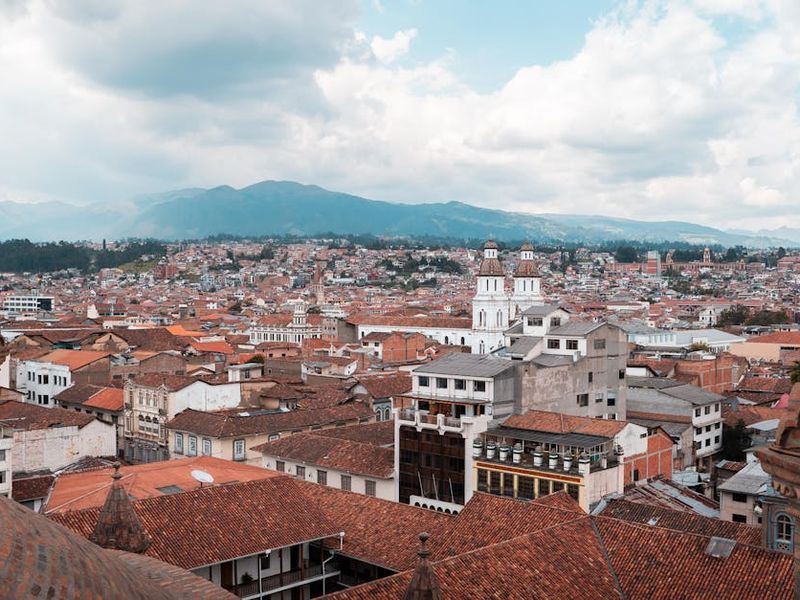
Cuenca, Ecuador’s UNESCO-listed jewel in the southern highlands, is a compact city with a big appetite. Its culinary scene blends Andean traditions, fresh market produce, and international influences introduced by decades of expatriate arrival. The result is an accessible and varied food landscape: from steaming bowls of locro de papa and hornado at bustling mercados, to inventive tasting menus and cozy cafés tucked along the Tomebamba River. Whether you’re a budget-conscious traveler or a serious gastronome, Cuenca delivers flavors that stay with you long after your return home.
How to Use This Guide
This article organizes Cuenca’s dining options by neighborhood and style—traditional, market stalls, bakeries and cafés, vegetarian/vegan, upscale, and late-night spots. Each section contains what to try, how much you can expect to pay, and practical tips such as opening times, reservation advice, and transport. Many visitors prefer to explore on foot in the Historic Center (Centro Histórico), but I’ll also point out markets and neighborhoods a taxi or short bus ride away.
Essential Cuenca Dishes You Shouldn’t Miss
Before diving into where to eat, it helps to know what to look for on menus:
- Hornado – slow-roasted pork traditionally served with mote (hominy), llapingachos (potato patties) or salad; you’ll find great plates at market lunch counters.
- Fritada – fried pork and corn; hearty and beloved as a comfort food.
- Cuy (guinea pig) – a traditional Andean specialty, often roasted and served on special-occasion menus.
- Locro de papa – a creamy potato and cheese soup, perfect on cooler Andean days.
- Helado de paila – artisanal sorbet churned in a shallow metal pan, often sold in traditional flavors made from local fruits.
- Mote and mote pillo – hominy served plain or scrambled with eggs and seasoning—simple and filling.
Historic Center: Cafés, Riversides, and Casual Dining
The area around Parque Calderón and the Tomebamba River is the beating heart of Cuenca’s dining life. Streets like Calle Larga and Calle Benigno Malo host an array of options from relaxed cafés to riverside bistros.
What to try: Start with a breakfast of pan de yuca and a black coffee at a local panadería, then wander to a riverside café for a late-morning treat such as helado de paila made with naranjilla, lucuma, or local berries. For dinner, look for restaurants offering contemporary Ecuadorian plates—you’ll find fusion dishes that combine Andean ingredients with modern techniques.
Price range: Cafés and casual lunches typically $2–8; riverside dinner spots $10–25 per person. Tip: Reservations aren’t usually necessary for cafés but are smart for popular dinner tables on weekends.
Markets and Street Food: Real Local Flavor
For authentic flavors and lower prices, the city’s markets are unbeatable. Early mornings and lunchtime (12–2pm) are the busiest times to experience a true market meal.
Where to go
- Mercado 10 de Agosto (central market): a lively place to sample hornado, fritada, and hearty soups. Look for family-run stalls—their recipes are often generations old.
- Mercados de barrio: surrounding neighborhoods have smaller markets where locals buy fresh produce and enjoy inexpensive almuerzos (set lunches).
What to try: Order the ‘almuerzo’—a fixed-price lunch that often includes soup, a main (like hornado or fish), rice and a salad. Prices generally run $2–6 and deliver huge portions.
Practical tip: Bring cash and small bills. Some busy stalls don’t accept cards. Also, try to arrive early: the best dishes sell out by mid-afternoon.
Bakeries, Pastry Shops and Coffee Culture
Cuenca’s bakeries are an overlooked highlight—expect fresh bread, cheese-filled pastries and Ecuadorian sweets. Pan de yuca (cheesy bread) and bizcochos (buttery biscuits) pair perfectly with local coffee. The city has a growing specialty coffee scene: look for cafés that roast locally and feature single-origin beans from Ecuador’s Amazon or Loja regions.
What to try: A late afternoon snack of ‘bolón’ (mashed plantain with cheese) or ‘humitas’ (steamed corn cakes) with a cappuccino made with Ecuadorian beans. Many cafés also offer vegan milk options like almond or soy.
Vegetarian and Vegan Options
While traditional Ecuadorian cooking can be meat-heavy, Cuenca has adapted. There are several vegetarian and vegan-friendly restaurants and many mainstream kitchens will accommodate dietary requests if you ask. Menus often include hearty soups, quinoa salads, and creative vegetable mains flavored with local spices and produce.
Practical tip: Spanish phrases like “sin carne” (without meat) and “sin lácteos” (without dairy) help. Some places use heavy cheese, so asking for cheese on the side is useful for vegetarians who also avoid dairy.
Fine Dining, Tasting Menus, and Special-Occasion Spots
Cuenca’s upscale scene is small but ambitious. A handful of restaurants in the Historic Center and near the river offer multi-course tasting menus that highlight Ecuadorian ingredients using international techniques. These places are ideal for celebrations or a deep dive into the region’s culinary possibilities.
What to expect: A tasting menu often ranges $25–60 per person depending on wine pairings and the restaurant’s sourcing of specialty ingredients. Reserve at least a few days in advance, especially for weekend dinners.
Craft Beer, Wine, and Cocktails
The city’s nightlife now includes craft breweries, wine bars, and cocktail lounges. Ecuadorian craft beers are often lighter lagers or experimental small-batch ales made with local fruits or floral notes. Cocktail bars frequently incorporate native flavors like naranjilla or passionfruit.
Tip: Many bars offer happy hour deals on weekdays. If you want to pair local drinks with food, look for places that serve small plates or shareable tapas.
Food Tours, Cooking Classes, and Cultural Experiences
For food lovers who want context, Cuenca has food tours that combine market visits with tastings and coffee stops. Cooking classes—often taught in English and Spanish—take you shopping at a market and then into a kitchen to prepare dishes like locro de papa, llapingachos, or helado de paila.
Why join one: You learn about ingredients (like naranjilla, achiote, and mote), how altitude affects cooking times, and how families prepare holiday foods. Costs vary but expect to pay $25–80 depending on the depth of the experience.
Practical Dining Tips & Local Etiquette
- Meal times: Lunch is often the main meal (12–2pm), and dinner can start later (7–10pm) in tourist spots but restaurants sometimes slow down earlier in the evening.
- Budgeting: Street food and market meals: $1–6; mid-range restaurants: $6–15; fine dining: $25–60+ per person.
- Tipping: 10% service is common; if service is included check your bill. In markets and street stalls tipping isn’t expected, though leaving small change is appreciated.
- Payment: Cash (USD) is still essential in markets and for small purchases. Many restaurants accept cards but bring cash for smaller places.
- Language: Spanish helps. Many service staff in tourist areas speak some English, but locals appreciate attempts at Spanish—”por favor” and “gracias” go far.
- Altitude: Cuenca sits around 2,560 meters (8,400 feet). Drink water, avoid heavy meals on your first day if you feel altitude effects, and know that soups and light, warming foods are excellent choices.
A Sample Day Eating Through Cuenca
Want an itinerary? Here’s a day designed for a foodie visitor:
- Breakfast: Pan de yuca and a strong Ecuadorian coffee at a neighborhood panadería near Parque Calderón.
- Mid-morning: Walk along the Tomebamba River and enjoy helado de paila from a vendor—ask for seasonal fruit flavors.
- Lunch: Market almuerzo: soup, hornado or fish, rice, and salad—ample and inexpensive.
- Afternoon: Coffee or hot chocolate in San Blas while visiting craft shops. Try a local pastry for a late snack.
- Dinner: Choose a riverside bistro or an inventive tasting-menu restaurant for plates that elevate local ingredients.
- Late-night: Cap the evening at a craft beer bar or cocktail lounge on Calle Larga.
Safety and Food Hygiene
Cuenca is considered one of Ecuador’s safest cities for travelers, but common-sense precautions apply. Eat at busy stalls with high turnover to ensure freshness. For water, many restaurants provide filtered water—ask if you’re unsure, and bottled water is widely available. If you have a sensitive stomach, stick to cooked foods and avoid ice from unknown sources.
How to Discover New Spots While You’re There
Some ways to find the most current local favorites:
- Ask a market vendor or hotel concierge for their daily picks—locals love sharing neighborhood gems.
- Follow Cuenca-based food blogs and Instagram accounts for up-to-date recommendations and pop-up events.
- Walk early in the morning: you’ll spot breakfast crowds and kebab stalls that don’t appear on maps.
- Try a food tour on your first day; it’s a fast track to learning the lay of the land and the best stalls.
Final Thoughts: Eat Like a Local
Cuenca’s culinary charm is its balance: affordable and authentic market meals coexist with refined restaurants experimenting with Ecuador’s huge variety of native ingredients. The city encourages slow, flavorful meals—conversations over coffee in a plaza, shared plates by the river, and warm soups on crisp evenings. Whether you plan a tasting-menu splurge, market-hopping mission, or low-key café crawl, Cuenca rewards curiosity and an appetite for real, regional food.
So loosen your belt, bring small bills, and let the city’s aromas guide you. Buen provecho!