
Table of Contents
Why Cuenca is Great for Active Expats
Cuenca’s mix of mild year-round weather, friendly neighborhoods, and diverse terrain makes it one of the most attractive Ecuadorian cities for expats who want to stay active. At about 2,560 meters (8,400 feet) above sea level, the city offers high-altitude training benefits, scenic routes that run along rivers, plenty of parks, and easy access to mountains and lakes for weekend adventures. Whether you are into running, soccer, cycling, swimming, tennis or just keeping fit at a gym, Cuenca has options for every fitness level and budget.
Key Considerations Before You Start
Before joining a club or signing a long-term membership, be mindful of a few local factors that affect sports and training in Cuenca.
- Altitude: At 2,560 meters, initial breathlessness and extra fatigue are common. Plan gradual increases in intensity and allow two to four weeks for acclimatization.
- Weather: Cuenca enjoys a spring-like climate year-round. The dry season typically runs from June through September; the rainy months are from October to May. Afternoons can be sunny and warm, while mornings and evenings are cool.
- Costs and Currency: Ecuador uses US dollars. Expect gym memberships to range from about 20 to 60 USD per month for mainstream gyms; private clubs and premium facilities are more expensive.
- Language: Spanish is the norm. Many expat-friendly facilities have English-speaking staff, but a little Spanish helps—especially for negotiating membership details.
Main Sports Hubs and Facilities in Cuenca
Below are the categories of facilities expats use most often, with practical tips on how to access them.
1. Stadiums and Organized Soccer
Soccer remains the most popular sport in Ecuador, and Cuenca is no exception. The city is home to a professional stadium where local and national matches are held. Attending a match is a great way to immerse yourself in local culture and meet fellow sports fans.
Community leagues and pickup games are common in neighborhoods across the city. Look for bulletin boards at gyms, sports shops, and expat Facebook groups where organizers post invites for recreational matches suitable for beginners and experienced players.
2. River Walks and Urban Running
The Tomebamba and Yanuncay rivers carve scenic malecones that pass through the historic center and several neighborhoods. These river promenades offer flat, paved routes perfect for easy morning runs, interval training, or evening walks. Routes near the city center are well-lit and busy in weekdays, making them safer for solo runners.
Tip: Early mornings are cool and often less crowded. Carry a small bottle of water—the climate can be dry—and wear layers that you can remove as your body warms up.
3. Parks, Trails and Hiking
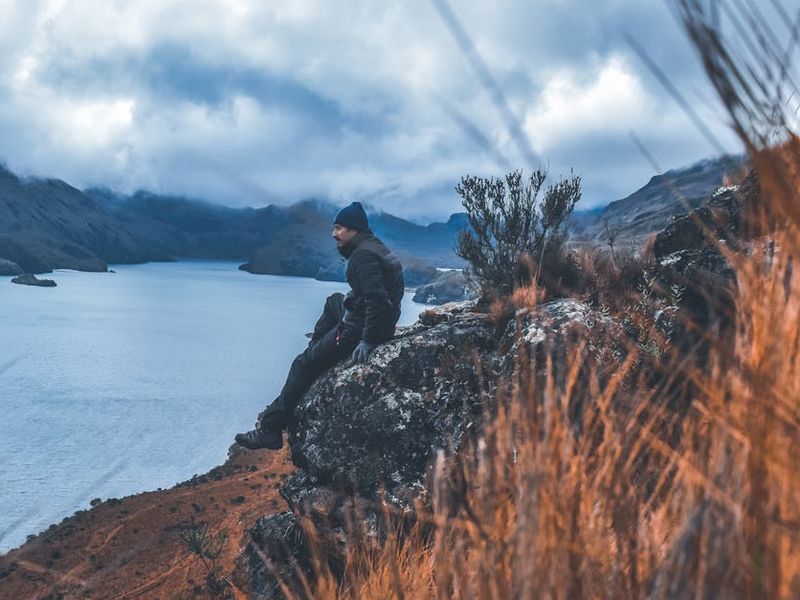
Cuenca is the gateway to some spectacular outdoor areas. For day hikes and nature outings, nothing beats Parque Nacional Cajas. It’s about a 30 to 60-minute drive from the city and offers high-altitude lakes, rolling páramo, and marked trails. For gentler hikes closer to town, seek out the hills around Turi and the green spaces in neighborhoods like El Vergel and Bellavista.
If you plan to hike in Cajas, pack layers, waterproof gear for sudden showers, and a map or GPS device. Weather can change quickly above 3,000 meters.
4. Cycling: Road and Mountain Options
Cycling is a favorite among expats. Cuenca’s surrounding countryside offers rolling climbs and scenic descents. Road cyclists can find long routes that loop out of the valley and up into cooler highland roads. Mountain bikers have excellent trails in the hills around the city and in Cajas for technical riding and singletrack adventures.
Local bike shops provide maintenance, guided rides, and can point you to safe routes by traffic level. Join a cycling club or group ride—this is the quickest way to learn the best local routes and meet riders of similar pace.
5. Gyms, CrossFit and Fitness Studios
Cuenca has a growing selection of gyms that suit different styles—traditional weight and cardio clubs, CrossFit boxes, boutique studios offering HIIT, spinning, and yoga. Many gyms offer short-term passes, which is helpful if you need to try the facility before committing to a monthly plan. Personal training is available, often at rates lower than in North America or Europe.
Peak hours tend to be early mornings (6:00–9:00) and evenings (5:00–8:00), so visit midday if you prefer less crowded equipment and classes.
6. Pools and Swimming
Public lap pools are less common than gyms with pools or private clubs. Many expats swim at hotel pools that allow day passes or at gyms that include pool access in their membership. Swimming in high-altitude lakes is an option for the adventurous, but water temperatures can be cold and conditions change rapidly.
For triathletes, combining pool laps with open-road cycling and running along the malecones works well. If you need a dedicated training pool, ask gyms for specific lap times and reservations—some facilities allocate lanes for adult lap swimmers.
7. Tennis, Pickleball and Court Sports
Tennis courts exist in private clubs and public sports centers, with coaches available for lessons in Spanish and sometimes in English. Pickleball has been growing steadily among expats and locals. If pickleball courts are not widely available, many players adapt by using tennis courts at off-peak times.
Squash, badminton, and racquetball are offered at some sports clubs. If you have children who want lessons or want to participate in junior programs, ask clubs about age-appropriate coaching and registration timelines.
Where to Find Programs for Kids and Families
Expats with children often look for soccer academies, swimming lessons, youth tennis programs, and after-school sports. Schools with international or bilingual programs sometimes run extracurricular sports that are open to non-students on a fee basis. Community centers and private clubs also run seasonal programs that align with the school year.
Tip: Enroll early for popular programs—especially during school holiday months when demand spikes. Observe a class first to ensure the teaching style and language fit your child’s needs.
How to Join: Memberships, Costs and Contracts
Most facilities offer multiple membership options: monthly, quarterly, annual, or pay-as-you-go. Monthly gym memberships are typically the most flexible. Private clubs and country clubs offer more amenities but often require a lengthy commitment or initiation fee.
- Bring ID and proof of address for membership registration.
- Ask for a written breakdown of fees—some facilities charge separate fees for classes, pool use, or locker rentals.
- Negotiate: many gyms are open to offering a discount for cash payments or a free trial week.
Language and Cultural Tips for Joining Local Sports Communities
Spanish will get you farther in informal groups. Even basic phrases—introducing yourself, explaining your fitness level, or asking for training times—will help break the ice. Many sports organizations have one or two bilingual members who act as bridges between expats and locals; reaching out by email or message first is a respectful way to introduce yourself.
Attending local matches, community races, or charity sports events is a great way to meet people. Volunteering at events can fast-track friendships and help you learn about lesser-known training spots.
Health and Safety Considerations
Because of the altitude, keep a reusable water bottle handy and pay attention to signs of altitude sickness: headaches, dizziness, and nausea. If you have an underlying health condition, consult a physician before starting intense training. Many clinics and hospitals in Cuenca serve expats, and several medical practices offer English-speaking services.
For outdoor activities, carry sunscreen, a hat, and a light waterproof layer. Roads in some rural areas may lack shoulders, so use lights and reflective gear if cycling or running near traffic.
Sample Weekly Training Plan for Expats in Cuenca
Here is a practical sample routine that mixes gym work, running, cycling, and recovery—suitable for a moderately fit expat adapting to Cuenca’s altitude.
- Monday: Morning easy 30–45 minute run along the river malecon. Evening mobility and stretching class.
- Tuesday: Gym strength session focusing on core and legs. 45–60 minutes.
- Wednesday: Group cycling club ride or a 60-minute mix of hills and flats. Full hydration and snack before.
- Thursday: Interval training at the malecon: 10 min warm-up, 6×3-min efforts with easy jog recoveries, 10 min cool-down.
- Friday: Swim laps at a gym pool or cross-training class such as yoga for recovery.
- Saturday: Longer hike in Cajas or a long steady road ride outside the valley.
- Sunday: Rest, easy walk in downtown Cuenca or a restorative yoga session.
How to Discover New Spots and Stay Connected
The expat community in Cuenca is active and welcoming. Use local online resources—Facebook groups for Cuenca expats, community bulletin boards at international grocery stores, and Meetup events—to learn about pop-up classes, charity runs, and language-friendly teams. Bike shops and running stores are also hubs for local event flyers and training groups.
Final Tips for a Sustainable Sports Life in Cuenca
Make a plan that respects the altitude and the seasonal weather. Start with moderate goals, invest in a local pair of running shoes and breathable layers for layering, and build friendships through local clubs rather than just facilities. Many expats find that joining a team or a regular class is the best way to stay committed and make friends in a new city.
Cuenca rewards those who explore—whether that means discovering a quiet running route along the Tomebamba, finding a welcoming CrossFit box, or spending a weekend in Cajas to recharge. With thoughtful preparation and local connections, staying active in Cuenca can be one of the most rewarding parts of expat life.