
Table of Contents
Why Cuenca’s Pace Feels Different
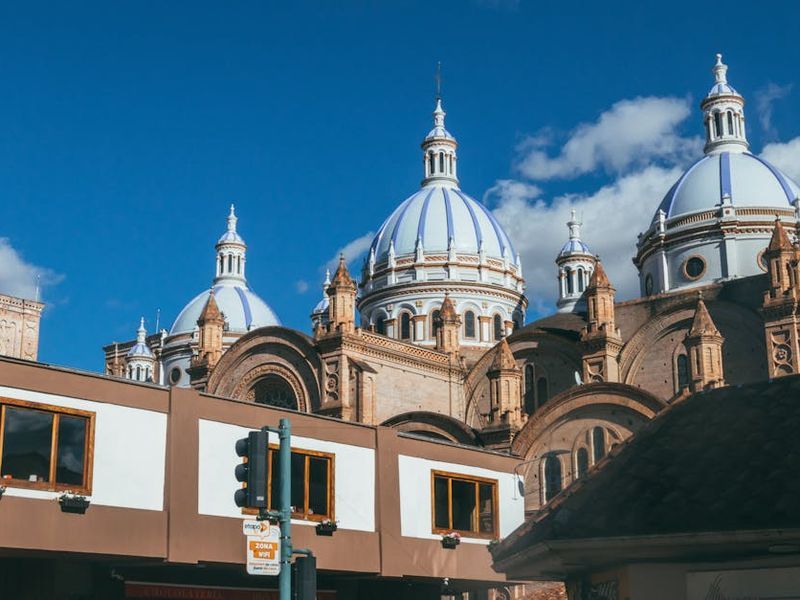
Cuenca, Ecuador, is famous for its colonial streets, blue-domed cathedral, and temperate climate. Less obvious—but just as defining—is its relaxed rhythm. The city moves at a pace shaped by long lunches, community gatherings in plazas, and a cultural comfort with taking things slowly. For newcomers raised in fast-moving urban centers, this shift can feel unfamiliar at first. But once you understand how Cuenca’s tempo shows up in daily life, you can turn that difference into one of the city’s greatest gifts.
Adopt the “Poco a Poco” Mindset
One of the best mental shifts you can make is embracing the Ecuadorian phrase “poco a poco” (little by little). It’s more than a saying—it’s a practical approach to everything from paperwork delays to social invitations. Expect that certain services may take longer, appointments might start late, and transactions—especially with small local businesses—can be unhurried. Rather than forcing speed, plan more time into your days and see what emerges when you let life expand a bit.
Practical Daily Adjustments
Adjusting to a slower pace doesn’t mean losing efficiency. It means reshaping routines to match your surroundings. Here are concrete changes to try:
- Rework your schedule: Move tasks that require speed (bank visits, bureaucracy) to early mornings when lines are shorter, and leave afternoons for relaxed activities like strolling the riverside.
- Plan buffer time: Add 30–60 minutes between appointments. This protects you from local delays and keeps your day calm.
- Use local business hours: Many shops close for a midday break in smaller neighborhoods—check hours before you go.
- Set weekly rituals: Make a Saturday market run or a weekday café morning a ritual. Predictable rituals ground you in a slower pace without losing structure.
Neighborhood Choices and Where to Base Yourself
Cuenca has neighborhoods suited to different lifestyles. If you want to be in the thick of plazas, cafes, and tourist energy, the Historic Center is ideal. It’s walkable, full of architecture, and close to Parque Calderón and the cathedral. If you prefer quieter residential streets with neighborhood bakeries and local life, consider areas like El Vergel or San Blas—both offer a calmer vibe but still have easy access to downtown.
When choosing a home, prioritize walkability to grocery stores and parks. Cuenca’s mild climate invites walking, and living near the Tomebamba River or a small neighborhood plaza makes it easier to adopt a relaxed daily tempo. Also check for hot water systems (many apartments use tankless gas heaters) and building heating—Cuenca is spring-like, but damp evenings can feel chilly.
Language and Social Etiquette
Learning Spanish is one of the fastest ways to feel at home. While you’ll find English speakers—especially in expat circles—conversing in Spanish opens doors to local friendships and invites you into authentic gatherings. Basic phrases and polite forms like “buenos días” and using “usted” in more formal situations show respect and often lead to warmer interactions.
Social customs are gentle: greetings are friendly and may include a single cheek kiss between women or acquaintances, or a firm handshake for many men. Punctuality is flexible in social settings; if an invitation says 7:00 p.m., arriving at 7:15–7:30 is generally acceptable. In more formal or business situations, aim to be on time.
Finding Community Without the Rush
Cuenca’s relaxed social life is ideal for deeper, slower relationships. Rather than networking-heavy meetups, you’ll find plenty of low-key opportunities to connect: language exchanges in cafés, art workshops in San Sebastián, and neighborhood markets where vendors remember your name.
- Join a class: Salsa, ceramics, or Spanish lessons create recurring touchpoints with locals.
- Volunteer: Shelters, community centers, or teaching English provide meaningful routines and steady friendships.
- Attend cultural events: Concerts at the Parque Calderón, artisan markets, or holidays such as the city’s November independence festivities are great ways to blend in.
Healthcare, Banking, and Practical Services
Cuenca offers both public and private healthcare options, and many expats appreciate the affordability and quality of private clinics for routine care and dental work. Carrying your passport and a copy for appointments is standard practice. If you plan to stay long-term, consider registering with the public health system (IESS) or securing private insurance tailored to expats.
Banking is straightforward once you’re set up. Major Ecuadorian banks have branches across the city; opening accounts can take several visits and paperwork, so bring extra time. ATMs are common, but it’s wise to always have small bills and coins for markets, taxis, and neighborhood shops that don’t accept cards.
Shopping: Markets, Supermarkets, and Local Producers
One of the joys of living slowly in Cuenca is shopping for food. Fresh produce, cheese, flowers, and baked goods abound at municipal markets. Weekly market trips are an opportunity to chat with vendors, compare prices, and take your time picking the ripest fruit.
For staples, supermarkets like Supermaxi and Coral are convenient and accept cards. But to lean into the local pace, visit neighborhood panaderías for morning bread and mercados for vegetables. Bring reusable bags and small change—market vendors often don’t have change for big bills.
Transport and Getting Around
Cuenca is a very walkable city, and many residents prefer walking along the Tomebamba River or across the ornate bridges of the Historic Center. For longer trips, the bus system is inexpensive and covers most neighborhoods, though buses can be crowded during peak hours.
Taxis are widely available and inexpensive compared to North American or European cities. Use trusted radio taxi numbers, ask your host or landlord for recommended drivers, or get fares agreed upon ahead of time in neighborhoods where meters aren’t used. If you plan to drive, remember that narrow colonial streets and limited parking near the center can make driving more stressful than it’s worth.
Weather, Altitude, and Personal Comfort
Cuenca sits at about 2,560 meters (8,400 feet) above sea level. Many new arrivals notice the altitude with mild breathlessness during physical exertion; take it slow for a few days and stay hydrated. The climate is famously mild year-round—think spring temperatures—with cool mornings and evenings and sunnier, warmer afternoons.
Pack layers: a light jacket, sweaters, and a waterproof layer for sudden showers. Sun protection (hat, sunscreen) is also important as UV is stronger at higher altitudes. If your apartment lacks central heating, a small electric heater or extra blankets can make evenings cozy without breaking the relaxed rhythm.
Balancing Productivity with Leisure
For remote workers or productive routines, Cuenca’s relaxed atmosphere can be a productivity enhancer—if you structure your days. Choose a few steady work spots: a favorite café with reliable Wi-Fi, a coworking space for focused days, or a quiet corner of your apartment. Block out mornings for focused tasks and afternoons for strolling, errands, or creative pursuits.
Be intentional about switching off. The city’s pace encourages lingering—read a book in a plaza, take a long lunch, or photograph the colonial architecture. Integrating slow moments into your day prevents burnout and lets you enjoy the uniquely gentle tempo Cuenca offers.
Managing Frustrations Without Losing Your Cool
Even seasoned travelers get impatient with delays or differing service expectations. When frustrations pop up, use them as cues to practice local coping strategies: breathe, seek clarification calmly, and use humor. Building relationships helps—vendors and service providers often go the extra mile for someone they’ve gotten to know.
Keep a small “fast lane” toolkit for urgent needs: a list of suggested clinics, pharmacies, a trusted taxi number, and a few local friends or neighbors you can text. This reduces stress while you enjoy the city’s slower moments.
Experiences That Encourage Slowing Down
Some activities are tailor-made to help you internalize Cuenca’s relaxed tempo. Take time for them:
- Riverside walks: Stroll along the Tomebamba at golden hour and notice how locals linger by the bridges.
- Market mornings: Choose one market day a week to buy fresh items and chat with sellers.
- Café culture: Spend an hour at a café reading or learning Spanish—no rush to order quickly.
- Nature excursions: Visit Cajas National Park for a day and return refreshed by the contrast of wide-open, slow landscapes.
Final Thoughts: Letting Slow Be a Strength
Adjusting to Cuenca’s relaxed lifestyle is less about giving up speed and more about choosing shape and quality for your time. You’ll likely discover deeper relationships, more creativity, and lower daily stress when you match the city’s pace. Prepare practically—know where to get healthcare, learn Spanish basics, and set up routines that honor both productivity and leisure. Then give yourself permission to slow down: the city will meet you there, and that unhurried space often becomes the most valuable part of life in Cuenca.
Embrace the change. Take your first slow walk through the historic center, stop for pan de yuca and coffee, and let Cuenca teach you how enjoyable life can be when lived poco a poco.