
Table of Contents
Why Ingapirca Belongs on Your Ecuador Highlands Itinerary
Just a short journey from Cuenca, the Ingapirca archaeological complex offers an intimate look at the meeting point between the Cañari people and the Incas. Unlike the crowded ruins north of Quito, Ingapirca preserves a quieter, more contemplative atmosphere where stonework, ceremonial plazas, and sweeping Andean views combine to tell a layered story of conquest, adaptation, and astronomy.
Quick Overview: Location, Distance, and Travel Time
Ingapirca sits in Cañar province, northeast of Cuenca. The drive from Cuenca takes roughly 1.5–2 hours depending on traffic and your exact starting point. The road is mostly paved and scenic; you’ll trade the colonial streets of Cuenca for highland valleys, agricultural terraces, and grazing llamas as you climb toward the site.
Getting There: Options and Practicalities
There are three common ways to reach Ingapirca from Cuenca:
- Self-drive: Renting a car gives the most flexibility for stops and photography. GPS works well but bring a paper map or offline directions in case of spotty signal. There’s parking at the site.
- Public transport: Take a bus from Cuenca to the town of Cañar or El Tambo, then board a local colectivo or taxi to Ingapirca. This is the cheapest option but requires coordination of connections and schedules.
- Guided day tour: Many tour companies in Cuenca offer full- or half-day tours that include transportation, an English-speaking guide, and often lunch. These tours are ideal if you prefer a stress-free experience and historical context.
What to See at the Ruins: Must-Visit Spots
The compact site is easy to explore on foot, and a guided walk will illuminate details you’d likely miss on your own. Highlights include:
- Temple of the Sun: The most iconic structure — an elliptical stone building built with finely-cut ashlar masonry. Its orientation and construction suggest astronomical uses tied to solstices and ritual timing.
- Ceremonial plaza: A broad open space used for public gatherings, rituals, and possibly markets in pre-Columbian times.
- Residential terraces and retaining walls: Evidence of the Cañari engineering that preceded Inca occupation; see the differences in stonework styles.
- On-site museum and information panels: Small but informative displays of pottery, tools, and ethnographic material help place the ruins in context.
- Lookout points: The surrounding hills offer panoramic views of the valley below — exceptional at golden hour.
Why the Mix of Cañari and Inca Styles Matters
Unlike purely Inca sites farther north, Ingapirca is a hybrid. The Cañari were the original builders and land stewards; when the Incas arrived in the late 15th century they adapted and expanded the complex rather than wiping it out. You’ll notice zones with rougher, stacked stonework (Cañari) alongside the precise, interlocking blocks associated with the Inca. This blend tells a story of negotiation, assimilation, and cultural layering.
Timing Your Visit: Best Time of Day and Season
Plan to arrive early for fewer crowds and softer light for photography. The site tends to be busiest in the late morning and early afternoon, especially on weekends and holiday periods. The drier months (June through September) offer the most reliable weather, with clear skies and cooler temperatures. However, be prepared for rapid weather changes at high altitude year-round.
Opening Hours, Fees, and Visitor Services
Ingapirca typically opens in the morning and closes in the late afternoon; exact hours can vary by season and management. There is a modest entrance fee (often a few U.S. dollars) which supports conservation and the small museum. Bring cash for the entrance fee, snacks, or souvenirs — card payments are not always accepted at remote sites.
Practical Packing List and Health Tips
Although Ingapirca is not technically remote, its highland setting requires some preparation. Consider packing:
- Sturdy walking shoes for uneven stone and short uphill sections.
- Layered clothing — mornings are cool, midday can be warm, and winds stir in the afternoon.
- Sunscreen, sunglasses, and a brimmed hat — UV is strong at altitude.
- Water and light snacks: there are limited food vendors near the entrance.
- A small first-aid kit and any personal medications; altitude can cause mild headaches or breathlessness for some travelers.
Because Ingapirca sits at a higher altitude than Cuenca, if you’re sensitive to altitude changes give yourself a little extra time when you arrive. Slow your pace, drink water, and avoid heavy physical exertion the first few hours.
Respectful Visiting: Cultural Etiquette and Conservation
This site is both an archaeological treasure and a spiritual landscape for local communities. Do not climb on or touch fragile masonry; follow marked paths and signage. Ask permission before photographing people, especially local vendors or residents. Stick to designated areas and carry out any trash — conservation depends on responsible visitors.
Photography and Drone Rules
Photography for personal use is generally welcomed; the dramatic stonework and sweeping vistas are irresistible. However, drone use is typically restricted and may require permits from Ecuadorian authorities — plan ahead if you want aerial footage, and respect signage prohibiting drones.
Food, Coffee, and Local Markets Near Ingapirca
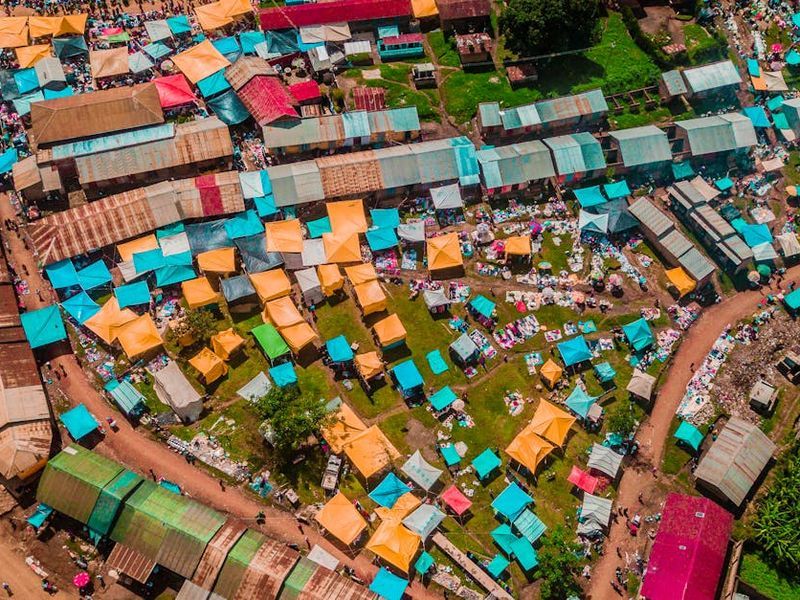
There are small eateries and vendors near the entrance serving homestyle Andean food: roasted pork (hornado), soups, potatoes, and fresh corn are common. If you prefer a wider selection, plan a stop in Cañar town where markets sell local produce, textiles, and handcrafts. Market days vary by town, so check with your hotel or guide if you want to time your visit for a lively market experience.
Sample Half-Day Itinerary From Cuenca
Here’s a practical timeline for a relaxed day trip:
- 07:30 — Depart Cuenca. Stop for coffee en route if desired.
- 09:30 — Arrive at Ingapirca, purchase tickets, and visit the small museum first to get context.
- 10:00 — Guided walk or self-guided tour of the Temple of the Sun, plazas, and terraces.
- 12:00 — Lunch at a nearby comedor (try local specialties) or a picnic with panoramic views.
- 13:30 — Optional walk to surrounding lookout points; take photos in the golden light.
- 15:00 — Return drive to Cuenca; arrive early evening.
If you prefer a slower pace, consider an overnight in Cañar or a nearby village to experience evening skies and local hospitality.
Combining Ingapirca with Nearby Attractions
A day trip allows extra stops depending on your interests. Consider:
- Visiting the provincial market in Cañar for textiles and local crafts.
- Exploring small nearby towns to observe rural Andean life, agricultural terraces, and roadside food stalls.
- Hiking short trails around the ruins to soak in scenery and birdlife — bring binoculars for highland species.
Guided vs. Self-Guided: Which Is Best for You?
Guides bring the stones to life: they explain architectural techniques, highlight astronomical alignments, and recount oral histories that add depth to the ruins. If you enjoy historical context and prefer not to puzzle over site signage, a local guide is well worth the cost. Self-guided visitors will still enjoy the landscape and photography but should pick up a guidebook or download an offline app to better understand what they’re seeing.
Accessibility and Who Should Visit
The site has uneven terrain, steps, and some steep sections. Visitors with limited mobility may find certain areas challenging. Families with older children will find the ruins a rewarding educational outing, while history buffs and photographers will appreciate the details and light. Remember that restroom facilities are basic, and services are more limited than in urban centers.
Costs and Budgeting Tips
Budget for a day trip with the following rough breakdown:
- Transport: low-cost public buses to Cañar plus local taxi; or mid-range private or tour transport.
- Entrance fee: a modest charge that supports the site.
- Food: expect affordable local meals or snacks at the site.
- Guide: optional but recommended for deep context and storytelling.
Carpooling or shared tours can stretch your travel budget while still offering convenience.
Final Tips: Make the Most of Your Visit
Arrive early, consider a guide, and pack layers. Respect signage, avoid climbing on fragile structures, and bring water and sunscreen. Allow at least two to three hours at the site if you want time for the museum, the temple, and a relaxed lunch. If your schedule permits, stay overnight in a nearby town to experience quiet evening skies and a slower pace of life.
Why Ingapirca Remains Memorable
Beyond its stones and plazas, Ingapirca survives as a place where landscape and culture intersect. The site connects modern visitors to pre-Columbian engineering, Andean cosmology, and the resilient traditions of the Cañari and Inca peoples. For travelers based in Cuenca, Ingapirca is more than a ruin — it’s a compact cultural journey that rewards curiosity, patience, and respectful exploration.
Whether you go on a guided tour, a self-drive day trip, or a slow overnight adventure, Ingapirca is a highlight of southern Ecuador that pairs perfectly with the colonial charms and expat-friendly amenities of Cuenca. Plan ahead, bring your camera, and leave time to simply sit with the stones and the sky.