
Table of Contents
Why Cuenca Is a Top Choice for Dental Tourism
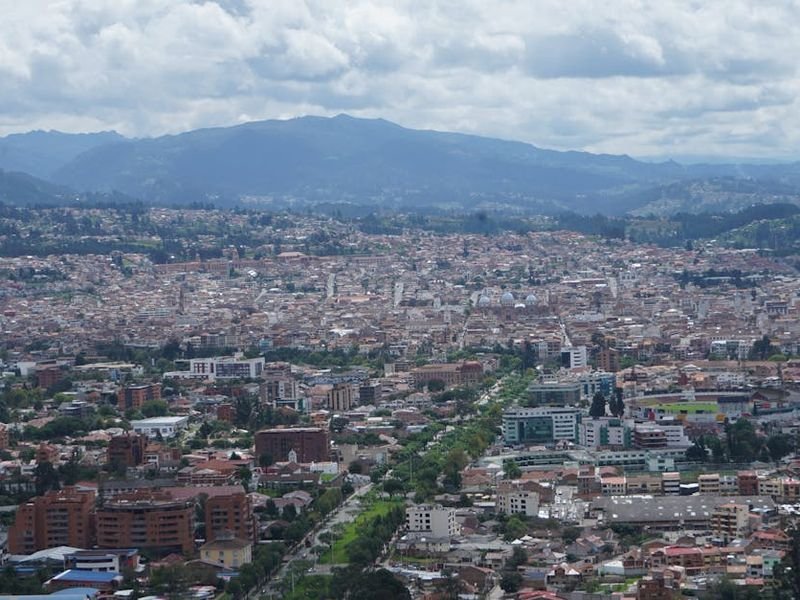
Cuenca, Ecuador blends colonial charm, modern clinics and affordable care, making it a favorite for international patients seeking dental work. The city’s mix of quality private practices, experienced clinicians and lower prices than many North American and European markets makes it possible to get major dentistry done while enjoying a cultural trip. Coupled with a comfortable climate, walkable historic center and a sizable expat community, Cuenca offers many of the elements people want in a dental destination.
Start with a Clear Plan: What Procedure, When and Why
Before you book flights, outline the dental work you want. Are you looking for routine care (cleaning, fillings), cosmetic services (veneers, crowns), or major treatments like implants and full-mouth rehabilitation? The type of procedure determines how long you’ll need to stay and how the follow-up will work.
Short procedures (cleanings, single crowns, simple extractions) often require only a few in-person visits spread over a week. Multi-stage treatments—such as dental implants with a healing period—require a longer timeline with at least one extended stay and additional follow-up visits, or coordination with a local dentist back home for final phases.
Choosing a Clinic in Cuenca: Questions to Ask
Picking a trustworthy clinic is the most important step. Ask for:
- Credentials and where the dentists were trained.
- Accreditation or membership in professional organizations (local dental college or national associations).
- Before-and-after photos and references from past international patients.
- Details about sterilization protocols, CBCT and digital X-ray availability.
- Brands of implants and materials used (high-quality brands like Nobel, Straumann, or reputable zirconia/e.max ceramics are commonly used).
- A written treatment plan with an itemized estimate, estimated timelines, warranty or guarantee policy, and cancellation terms.
Don’t be shy about asking for a virtual consultation and requesting to see clinics’ operating rooms. Reputable practices are used to international patients and will provide this information upfront.
How Much Can You Save? Typical Costs and Realistic Expectations
One big reason people come to Cuenca is cost. While prices fluctuate, you can generally expect significant savings compared with the United States or Europe. Typical ranges (approximate):
- Routine cleaning: $20–$60
- Composite filling: $30–$120
- Porcelain crown: $200–$600
- Single dental implant (restorative portion included): $800–$1,800
These are ballpark figures—quality materials and experienced specialists cost more. Ask clinics for an itemized quote and compare similar offerings (e.g., brand of implant, type of crown) rather than only the bottom-line number.
Travel and Logistics: Entry, Currency and Transport
Ecuador uses the U.S. dollar, which simplifies budgeting for many visitors. Many nationalities can enter visa-free for up to 90 days—double-check with your embassy before you travel. Cuenca’s Mariscal Lamar International Airport (CUE) connects by domestic flights to Quito and Guayaquil; many international travelers fly into Quito or Guayaquil and take a short domestic flight or comfortable intercity bus to Cuenca.
Getting around: taxis are affordable and safe in Cuenca, and ride-hailing apps operate in the city. The historic center (Parque Calderón area) is extremely walkable and a convenient place to stay if you want short commutes between your hotel and a clinic. Consider hotels or Airbnbs within walking distance of the clinic to minimize movement after procedures.
Where to Stay: Neighborhoods and Accessibility
Pick accommodation with comfort and easy access to your dental office. Popular choices include:
- Historic Center (El Centro): Walkable, lively, near restaurants, pharmacies and clinics.
- San Sebastián and Totoracocha corridors: Quieter than the main square but still central.
- Near Clínicas or Hospitals: If you prefer immediate access to medical facilities, opt for lodging close to major private clinics or hospitals.
Plan for quiet, comfortable lodging with easy ground-floor access if you anticipate swelling or limited mobility after a procedure.
Preparing Medical Records, X-rays and Insurance
Gather and digitize your dental records, prior X-rays and a list of medications. Sending them ahead of your consultation enables the Cuenca clinic to pre-plan and often give a better cost estimate. If you have dental insurance back home, check whether they will reimburse treatments abroad and what documentation they require—itemized receipts, procedure codes and before/after photos are usually necessary.
Language and Communication: Making Sure You’re Understood
Spanish is the primary language in Cuenca. Many clinics serving international patients have English-speaking staff, but don’t count on it. If you’re not comfortable in Spanish, arrange a translator for consultations and the first appointment. Clear communication during consent, procedure explanations and post-op care instructions is critical for safe outcomes.
Day-of-Procedure: What to Expect and Bring
On procedure days, bring your ID/passport, a list of current medications, and any pre-arranged travel or medical insurance documents. Wear comfortable clothing and avoid heavy jewelry. For sedation or IV medications, clinics will advise fasting rules—follow them exactly.
Ask the clinic for written post-op instructions in both Spanish and your language. Clarify who to contact in an emergency, clinic hours for follow-up and what symptoms require urgent attention.
Aftercare and Recovery: Practical Tips for Cuenca’s Climate and Lifestyle
Cuenca’s altitude is roughly 2,500–2,600 meters (about 8,200–8,500 feet). While most people tolerate it well, higher elevation can increase fatigue and may influence swelling after oral surgery. Plan more rest time than you might at sea level and avoid strenuous exercise for several days after invasive procedures.
Diet: bring or plan for soft, nutritious foods—yogurt, soups, smoothies, mashed potatoes, avocado and cooked rice. Local markets and supermarkets in Cuenca carry fresh produce and prepared meals, and pharmacies stock common painkillers and antibiotics at lower cost than many countries.
Dealing with Complications and Knowing Where to Go
No one plans to have complications, but know your options. Ask the clinic to name a nearby emergency hospital or dental emergency line and save that number in your phone. Cuenca has private hospitals and emergency services; reputable dental clinics also have relationships with local hospitals if a patient requires urgent care.
If you experience unusual pain, fever or prolonged bleeding, contact your dentist immediately. If you can’t reach them, head to the nearest emergency department. Carry copies of your dental paperwork and the clinic’s contact information.
Follow-Up Care and Warranties
Discuss follow-up schedules and warranty terms before you leave. Some clinics offer a short-term guarantee (e.g., 6–12 months) on restorations if patients return for recommended checkups. If you must return to your home country between stages of a multi-phase treatment, arrange with the clinic how and where the temporary components will be cared for, and whether your local dentist can complete certain steps under the original plan.
Costs Beyond the Procedure: Budgeting for Travel and Extras
When calculating savings, factor in airfare, accommodation, local transportation, meals and incidental costs. Also budget for any unexpected follow-up visits—both time- and money-wise. Some patients find combining tourism and treatment—planning sightseeing days between procedures—makes the trip feel less like a medical appointment and more like a restorative vacation.
Safety and Common-Sense Precautions in Cuenca
Cuenca is generally considered one of Ecuador’s safer cities, particularly in tourist and expat neighborhoods, but no city is risk-free. Use normal safety precautions: avoid poorly lit streets at night, use registered taxis or ride apps, and don’t display expensive jewelry or devices in crowded areas. Clinics and hotels often provide guidance about the safest local routes.
Sample Timelines: How Long to Stay for Common Treatments
Here are straightforward examples to help you plan:
- Single crown: 3–5 days (initial visit, temporary crown, final crown placement).
- Simple implant (if immediate loading offered): 7–10 days for surgical placement and delivery of provisional; final crown months later.
- Full-mouth restoration with staged implants: 1–2 weeks for initial work, then months for healing and final prostheses—be prepared for at least two trips or coordinate with your home dentist.
Practical Packing List for a Dental Trip
- All dental records, X-rays and a list of medications.
- Copies of your passport, travel insurance and clinic quote.
- Comfort items for recovery: travel pillow, soft toothbrush, saline rinse or chlorhexidine if recommended.
- Favorite soft foods and snacks for the first 48–72 hours post-procedure.
- Small cooler bag if you plan to transport medications that need temperature control (verify with airline rules).
Final Checklist: Confirm Before You Book
Confirm these items with your chosen clinic before buying nonrefundable flights:
- Written treatment plan and price quote.
- Timeline for appointments and healing between stages.
- Evidence of sterilization standards, imaging capability and clinician credentials.
- Emergency contact number and post-op instructions in your language where possible.
- Clarity on materials used, brand names and any warranty terms.
Conclusion: Balancing Adventure and Safety
A dental trip to Cuenca can be an excellent combination of cost savings and a pleasant travel experience, but it requires thoughtful planning. Do your homework on clinics, prepare medical records, allow adequate time for recovery and prioritize clear communication. With those elements in place, you can return home with improved oral health and memories of a beautiful, historic Ecuadorian city.
Ready to begin? Start by requesting virtual consultations from two or three clinics in Cuenca, compare quotes and timelines, and choose the schedule that gives you the confidence to travel and recover comfortably.