
Table of Contents
Introduction: Why Cuenca’s Markets Are Essential
Cuenca is a city built around human-scale streets, lively plazas and neighborhood markets where locals shop daily. Markets here aren’t just places to buy groceries — they are social hubs where farmers, cooks, artisans and families intersect. If you want to taste seasonal Ecuadorian produce, find locally made textiles and jewelry, or simply soak up authentic Cuencana life, exploring the markets is a must.
The Different Types of Markets You’ll Find in Cuenca
Understanding the differences between market types will help you plan where to go and when. In Cuenca you’ll encounter:
- Wet/food markets: Large indoor markets with fruits, vegetables, meats, dairy, grains and prepared food stalls — the freshest ingredients and lively bargaining.
- Neighborhood mercados: Smaller local markets serving specific barrios (neighborhoods), great for morning shopping and cheaper prices.
- Artisan markets and craft fairs: Outdoor booths featuring textiles, tagua jewelry, pottery, leather goods and Panama hats — the place to find souvenirs and handmade gifts.
- Weekend fairs: Larger pop-up markets on Saturdays or Sundays that combine food, plants and crafts from nearby towns and indigenous communities.
Top Markets to Visit in Cuenca (What to Expect)
Below are the most convenient and rewarding markets to visit, grouped by what they’re best known for.
Mercado 10 de Agosto — The Central Food Hub
Mercado 10 de Agosto is Cuenca’s main food market and a sensory plunge into local culinary life. Expect aisles of tropical and highland fruits, sacks of potatoes and grains, colorful produce stands and aisles of fresh meat and fish. This is where restaurants and home cooks source staples.
Practical notes: go early (7–10am) for the freshest picks and fewer crowds. Bring cash in small bills and coins. Many stalls accept only cash and change can be limited. Don’t be afraid to ask the vendor for a taste of fruit — sampling is common for many sellers.
Mercado Central (Downtown) — Quick Bites and Essentials
Close to the Parque Calderón, the downtown market (often called the Mercado Central) is smaller but ideal for a quick circuit between sightseeing. You’ll find hot food stalls where you can sit down for a hearty sopa or a plate of mote with cheese, as well as produce and specialty ingredients used in Cajas and other regional stews.
Try: pan de yuca (cheesy yuca bread) for breakfast, or a small plate of tigrillo for a local flavor. The central market is perfect if you want to combine a market stop with a walking tour of the historic center.
Mercado San Francisco — Traditional Flavors and Family Grocers
Mercado San Francisco serves a neighborhood clientele and is less touristy than the main market. Vendors are friendly and the prices are often lower. This is a good place to see local shopping rituals — vendors know their regulars and will help you choose the best cuts and ripest fruit.
Tip: Ask for produce that’s in season — vendors usually point you to the best varieties and can give cooking suggestions for unfamiliar items.
Artisan Markets: Plaza San Francisco and Calle Larga Fairs
If your goal is crafts, head to the artisan stalls around Plaza San Francisco and the pedestrian Calle Larga. You’ll encounter tagua (vegetable ivory) jewelry, handwoven ponchos, alpaca and wool garments, leather goods and ceramics. Prices vary widely depending on materials and workmanship, so take your time inspecting pieces.
Tip: many artisans will show the raw materials and explain techniques if you ask — that’s a great way to verify authenticity and appreciate the craft.
Weekend Fairs and Riversides — Tomebamba and Sunday Markets
On weekends the edges of the Tomebamba River and nearby plazas come alive with vendors. These market days often include regional farmers from the highlands who bring specialty items not seen during the week — heirloom potatoes, medicinal herbs, and regional cheeses. It’s also a place to taste artisanal ice creams and street desserts.
Tip: arrive midday for the best atmosphere, and combine the market visit with a walk along the riverbanks and the historical center.
What to Buy: Local Foods and Specialty Items You Won’t Want to Miss
Cuenca’s markets offer a wide range of edible treasures and handmade goods. Here are top recommendations for both food lovers and craft hunters.
Must-Buy Fresh Foods
- Highland potatoes: Ecuador’s potato diversity is stunning. Look for native varieties with different colors and textures for stews or mashed sides.
- Mote and corn: Cooked hominy (mote) is a staple; buy dried corn varieties for making humitas or traditional dishes.
- Fresh cheese: Queso fresco and local aged cheeses are sold by the block; ask vendors when it was made.
- Panela: Unrefined cane sugar blocks that are used across Ecuadorian kitchens for sweetening and cooking.
- Tropical fruits: Avocados, naranjilla, tree tomatoes (tomate de árbol) and cherimoya can be seasonal highlights.
Delicious Street and Market Foods to Try
- Pan de yuca and empanadas for breakfast — perfect to pair with a coffee.
- Locro de papa (potato and cheese soup) — hearty and warming, found at many market food stalls.
- Humitas or tamales made with local corn — great portable snacks.
- Helado artesanal (artisanal ice cream) — look for fruit flavors made by hand in copper pans or churns.
Top Craft Purchases
- Tagua jewelry: Sustainable, carved vegetable ivory items in many styles.
- Wool and alpaca garments: Ponchos, scarves and hats made by local weavers — check the label or ask for the fiber blend.
- Handmade pottery and ceramics: Functional and decorative pieces made by artisans in nearby towns.
- Leather goods: Wallets, belts and shoes — inspect stitching and hardware quality.
- Panama hats: Although they originate in coastal Ecuador, many beautiful hats are sold in Cuenca’s artisan markets — ask about weave density and provenance.
Practical Shopping Tips: How to Get the Best Deals and Avoid Common Pitfalls
Visiting a market is more rewarding when you know a few local shopping rules. These practical tips will save time and money.
Timing Is Everything
For produce: early morning (7–10am) is best. Vendors are setting up and you get the first pick of seasonal goods. For crafts: weekends and afternoons are lively, especially in tourist-friendly plazas. Many food stalls stay open through lunchtime but begin to pack up in the mid-afternoon.
Cash, Change and Prices
Bring cash in small denominations. While larger markets sometimes accept cards, many stalls are cash-only. Vendors may not have change for big bills, so come prepared with 1, 5 and 10 USD notes. If you’re a resident, having local coins and smaller bills is especially helpful.
Bargaining Etiquette
Bargaining is common for crafts but less so for produce. Start by asking the price and if it seems high, offer 10–20% less depending on the item and your comfort level. Be polite and smile — negotiations are social exchanges, not confrontations. If a vendor won’t budge, accept the price and move on; there are usually other stalls selling similar items.
Inspecting Quality
For food: look for firm fruits, no soft spots, vibrant color and pleasant aroma. For cheese and dairy, ask when it was produced and if possible buy from vendors who display their products openly. For crafts: check seams, the back of embroidered textiles, and metal fittings. Ask about the materials — real alpaca/llama fiber is different from acrylic blends.
Carrying Purchases and Transport
Bring a sturdy tote bag or backpack. If you’re buying bulky produce, consider a foldable market basket. Taxis and remise services are plentiful around main markets — keep purchases with you rather than leaving them in uninsured vehicles.
Safety, Health and Market Etiquette
Markets are vibrant but crowded — follow these simple rules for a smooth visit.
- Keep valuables zipped and close to your body to reduce pickpocket risk.
- Use hand sanitizer after touching produce and before eating market food.
- Ask before photographing vendors; many are happy to pose, especially if you offer to send a photo later.
- Be mindful of personal space in narrow aisles and let locals pass during rush hours.
Sample Market Day Itinerary in Cuenca
If you have one day to dedicate to markets, here’s a sample plan that mixes food, crafts and a little sightseeing.
- 7:30am — Start at Mercado 10 de Agosto. Watch vendors unload produce, buy fresh fruit, and grab a pan de yuca and coffee for breakfast.
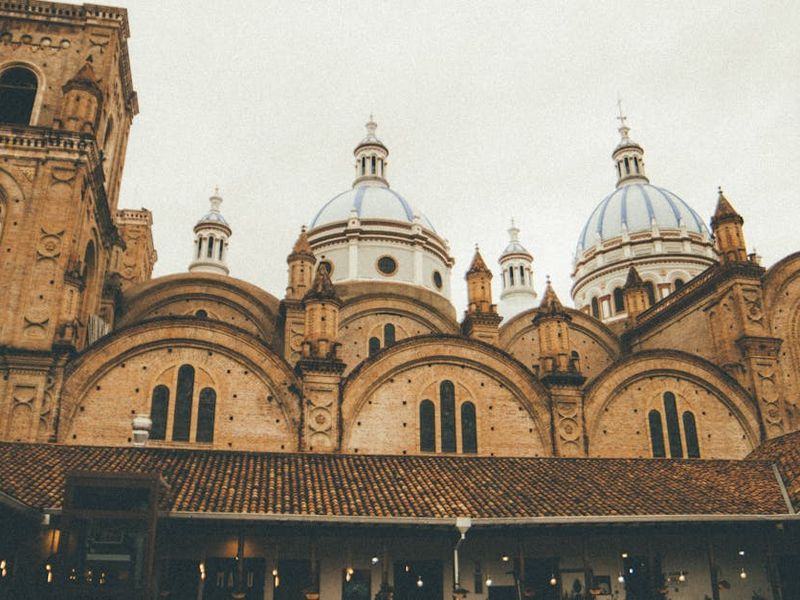
- 9:30am — Walk to the Mercado Central near Parque Calderón for a quick soup or a plate of mote and cheese. Take in the cathedral views as you stroll back toward Calle Larga.
- 11:00am — Explore artisan stalls around Plaza San Francisco and Calle Larga. Try on hats and inspect tagua jewelry.
- 1:00pm — Lunch at a market food stall. Try locro de papa or a regional special paired with a fresh fruit juice.
- 2:30pm — If it’s a weekend, head to the riverside and weekend fair along the Tomebamba for more crafts and regional food items.
- 4:30pm — Finish with a leisurely walk through the historic center, stopping at a café to compare finds and plan deliveries or packaging for fragile items.
How to Bring Goods Home: Shipping, Packing and Delicate Items
If you buy ceramics, leather or textiles and you’re not staying long, many shops offer packing services or can recommend a shipper. For fragile items, request bubble wrap and a sturdy box; some markets have vendors who pack for travel or can point you to nearby shipping offices.
For liquids or foodstuffs: check customs rules for your destination country. Most handmade crafts are fine, but cheeses and fresh produce may be restricted.
Final Thoughts: Markets as Cultural Experiences
Cuenca’s markets are much more than shopping destinations — they are a way to connect with the rhythms of Ecuadorian life. Whether you’re sampling a new fruit, bargaining for a woven scarf, or simply listening to the chatter of vendors in Kichwa and Spanish, these markets are where local culture is lived daily.
Bring curiosity, a good appetite and respect for local customs, and you’ll leave with delicious food, remarkable handmade treasures and a deeper appreciation for Cuenca’s community spirit.
Quick Practical Checklist Before You Go
- Bring small bills (USD) and coins.
- Go early for produce; afternoons are better for crafts and relaxed shopping.
- Carry a reusable bag and water bottle.
- Ask before photographing vendors and inspect goods for quality.
- Use taxis or walk — many markets are in easy-to-reach central neighborhoods.
With these tips and a little adventure, you’ll find the best of Cuenca’s food and crafts — and likely bring home stories and flavors that last long after the trip ends.