
Table of Contents
Welcome to Cuenca: Why This City Should Be on Your Radar
Cuenca, Ecuador’s charming colonial city in the southern highlands, is a favorite among first-time visitors and long-term expats alike. With its red-tiled cathedrals, riverside promenades, artisan markets and pleasant springlike weather year-round, Cuenca is easy to fall in love with — but a little planning goes a long way. This guide gives practical, tested tips to help you make the most of your first trip: from getting in and around, to where to eat, what to pack, and smart safety and health advice for the highlands.
Before You Go: Practical Pre-Trip Checklist
Start with a quick checklist so your arrival is stress-free.
- Passport & visa: Many nationalities can enter Ecuador visa-free for up to 90 days, but confirm current rules with your embassy before travel.
- Book your flights to Mariscal Lamar Airport (CUE) well in advance if arriving by air — flights from Quito or Guayaquil are short but fill up seasonally.
- Travel insurance: include medical evacuation and altitude-related coverage if you plan outdoor adventures.
- Download offline maps (Google Maps or Maps.me) and a Spanish phrasebook app if your Spanish is limited.
Packing Smart for Cuenca
Cuenca sits at about 2,560 meters (8,400 ft) above sea level. The climate is mild but changeable — think spring every day — so pack layers. Specific items to include:
- Warm layer and lightweight rain jacket: afternoon showers happen year-round.
- Comfortable walking shoes: cobblestone streets and historic steps demand sturdy soles.
- Sunscreen, hat, and sunglasses: UV intensifies at altitude.
- Electrical: Ecuador uses 110V/60Hz with Type A/B plugs (same as the U.S.).
- Small backpack and reusable water bottle: tap water is generally safe in Cuenca but when in doubt, choose bottled water.
How to Get There: Flights, Buses and Driving
Cuenca is well-connected for a city of its size. Your options vary based on budget and time.
By Air
Mariscal Lamar Airport (CUE) is a short domestic hub with daily flights from Quito and Guayaquil. Flight time is about an hour but take note: the airport is small and weather can cause delays, so avoid late-night arrivals if possible.
By Bus
Long-distance buses are comfortable and economical. From Guayaquil expect a 3.5–4 hour ride; from Quito the trip takes roughly 7–9 hours depending on stops and road conditions. Look for reputable bus companies offering semi-cama or cama seats for overnight comfort.
By Car
Renting a car gives flexibility for day trips (Cajas, Ingapirca) but driving in historic Cuenca requires patience: narrow streets, limited parking, and one-way systems. Use guarded parking lots (parqueaderos) in the centro when exploring on foot.
Where to Stay: Best Neighborhoods for First-Timers
Cuenca’s compact historic center makes it ideal for strolling. Consider these neighborhoods depending on your priorities:
- Historic Centro / Parque Calderón: Close to major attractions, restaurants and cathedrals. Expect cobblestones and lively afternoons.
- San Sebastián / El Vecino: A short walk from the centro with quieter streets and local eateries.
- El Vergel / Yanuncay: Near the riverfront and residential areas — quieter at night and often more modern apartments.
- Turi / Mirador area: If you want views and a hilltop perspective; still a short taxi ride to the center.
Tip: If you’re staying only a few nights, prioritize being within a 10–20 minute walk of Parque Calderón for convenience.
Getting Around Cuenca
Walking is the best way to feel the city: many attractions cluster around the Tomebamba River and the Parque Calderón. For farther trips, use taxis, buses or ride apps.
Taxis and Ride Apps
Taxis are plentiful and inexpensive. Short rides within the centro typically cost $1–$2; longer rides across town rarely exceed $4–$6. Ask drivers to turn on the meter if available or agree a fare before you go. Apps like Cabify operate in Cuenca, and Uber may be available but its legal status varies — use official apps or regulated taxis for reliability.
Buses and Local Transport
Local buses are a cheap way to get around but routes can be confusing for first-timers. Ask your accommodation host for the best bus lines for your destinations.
Money Matters: Currency, Cards and Tipping
Ecuador uses the US dollar, which simplifies budgeting. Practical tips:
- ATMs are common in the centro, but bring small bills and coins for markets and taxis.
- Credit cards are accepted in larger restaurants and hotels, but many smaller cafes and artisan stalls are cash-only.
- Tipping is appreciated: 10% in restaurants is common if service wasn’t included, and small change for taxi drivers is polite.
Food, Markets and Local Eats
Cuenca’s food scene ranges from traditional fondas to contemporary cafes. Don’t miss these culinary experiences:
- Try local specialties like hornado (slow-roasted pork), mote (hominy), and hearty soups popular in the highlands.
- Cuy (guinea pig) is available in traditional restaurants — considered a delicacy and often tried for a special meal.
- Visit Mercado 10 de Agosto or Mercado San Francisco for fresh produce, local snacks, and low-cost meals that offer a window into daily life.
- Explore riverside cafes along the Tomebamba River for coffee and pastries in a scenic setting.
For a casual lunch, a menu del día in a neighborhood fonda usually costs $3–$6 and includes soup, a main, drink and dessert.
Must-See Sights and Local Experiences
Cuenca has a compact set of highlights that are easy to explore across a few days. Top picks for first-timers:
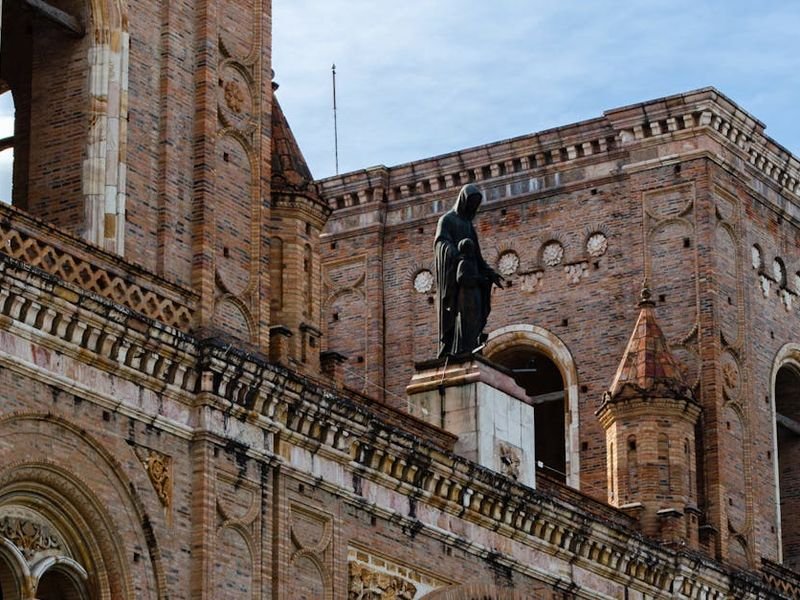
- Plaza Calderón and the New Cathedral (Catedral de la Inmaculada): Admire the blue domes and step inside to see stained glass and historic interiors.
- El Barranco and the Tomebamba River: Lovely riverside walks with bridges, artisan shops and cafes.
- Museo Pumapungo and the Archeological Park: A great introduction to the region’s indigenous history and Inca remains.
- Mirador de Turi: A short taxi ride up the hill offers panoramic views of the city and surrounding Andes.
- Artisan towns: Hop to Chordeleg for silver filigree jewelry or Gualaceo for weaving; both make excellent day trips.
Day Trips Worth Planning
Cuenca is an excellent hub for exploring southern Ecuador. Consider these easy outings:
- Parque Nacional Cajas: Rugged moorland, glacial lakes and great hiking — bring warm layers and waterproof shoes.
- Ingapirca: Ecuador’s largest Inca ruins, roughly 1.5–2 hours away — combine with a visit to a nearby market.
- Gualaceo and Chordeleg: Local crafts, markets and small-town charm. Ideal for shopping for textiles and jewelry.
Health, Altitude and Safety Tips
Altitude and common-sense safety are the two main health concerns in Cuenca.
Altitude Acclimatization
At 2,560 meters, most visitors feel fine but take simple precautions: hydrate, go easy on alcohol and heavy exercise for your first day, and sleep well. Symptoms like headache, nausea or shortness of breath are usually mild and resolve within a day or two. If symptoms worsen, seek medical attention.
Safety
Cuenca is generally safe for tourists. Use the same caution as you would in any city:
- Keep valuables out of sight and avoid flashing expensive gear on the street.
- Use hotel safes for passports and extra cash.
- Be cautious at ATMs at night; use machines inside banks when possible.
- Stick to well-lit streets after dark and use a taxi for longer night trips.
Culture, Etiquette and Language Tips
Understanding basic cultural norms helps you make connections and avoid awkward moments.
- Spanish is the dominant language; learning key phrases (Hola, Por favor, Gracias, ¿Cuánto cuesta?) goes a long way. People appreciate attempts to speak Spanish.
- Formal greetings: use “usted” with elders or in formal situations; a friendly handshake is common, and acquaintances may exchange a single cheek kiss.
- Ask before photographing people, especially in markets or when indigenous dress is involved — many vendors appreciate permission and sometimes request a small fee for photos.
Connectivity: Wi-Fi, SIM Cards and Work-Friendly Spots
Wi-Fi in cafés and hotels is generally good enough for email and browsing but speeds can be inconsistent. If you need reliable data, buy a local SIM card from Claro or Movistar; registration requires your passport. For digital nomads, there are several co-working spaces and cafes in and around the centro with decent power and coffee.
Sample Itineraries for First-Time Visitors
Here are quick sample plans depending on how much time you have.
48 Hours
- Day 1: Plaza Calderón, New Cathedral, Museo Pumapungo, riverside walk along Tomebamba.
- Day 2: El Barranco, Mercado 10 de Agosto, afternoon at Mirador de Turi for sunset.
4–7 Days
- Explore the city’s museums and artisan shops, spend a day in Cajas National Park, and take one craft-town day trip to Chordeleg or Gualaceo.
Final Tips to Make Your Trip Smoother
Some last-minute pointers from travelers who’ve spent months exploring Cuenca:
- Carry small change in coins and $1 bills for market purchases and taxis.
- Learn a few Spanish phrases and practice greetings — locals warm quickly to polite visitors.
- Plan outdoor activities in the morning when weather is more predictable; afternoons can bring clouds and rain.
- Buy artisan goods from small stalls and cooperative shops to support local makers; haggle gently and with respect.
- If you plan to stay longer or consider moving, try renting an apartment for a week first to test neighborhoods and amenities.
Cuenca is welcoming and walkable, filled with architectural gems, vibrant markets, and scenic river walks. With a few practical preparations — layers for the weather, respect for local customs, and a willingness to wander — your first visit will be comfortable, memorable, and full of discovery.