
Table of Contents
Why visit Ecuador’s Southern Highlands?
The southern highlands of Ecuador blend colonial charm, dramatic Andean landscapes and calm mountain valleys. In a compact region you can wander UNESCO-listed streets, hike cloud forests, visit pre-Colombian ruins and relax in a valley nicknamed the “Valley of Longevity.” This guide focuses on three highlights: Cuenca (the colonial jewel), Loja (the musical and cultural hub), and Vilcabamba (the laid-back valley retreat).
Quick orientation: altitudes, climate and travel rhythms
Expect dramatic microclimates. Cuenca sits high on a plateau at roughly 2,500–2,600 meters (about 8,400–8,600 ft) and feels like perpetual spring—cool mornings, bright afternoons and chilly nights. Loja is a little lower and drier, with a reputation for cultural life and music. Vilcabamba lies in a sheltered valley at a noticeably lower elevation (around 1,500–1,700 meters/4,900–5,600 ft), giving it warmer days and a reputation for a gentler climate.
General season tip: the wet season tends to cluster in the half of the year roughly from November through May, while June–September are drier and sunnier. Even in the dry season, mountain weather can shift quickly—pack layers and a rain jacket year-round.
Getting there and getting around
By air
Cuenca has a domestic airport with regular connections to Quito and Guayaquil, making it a convenient gateway if you prefer to avoid long bus rides through mountain passes. Loja’s airport also handles some domestic flights, although schedules are more limited.
By bus and road
Buses are the tried-and-true way to travel between towns. Cuenca to Loja is a scenic 3–4 hour ride on paved roads through highland valleys. Loja to Vilcabamba is shorter—around 1–1.5 hours depending on the route. Pay attention to bus types: “directos” or interprovincial buses are comfortable and frequent; local minibuses and colectivos are cheaper but less predictable.
Driving and private transfers
Renting a car gives freedom for side trips (Cajas National Park, Ingapirca ruins, small artisan towns), but roads are mountain-grade: narrow, winding and sometimes foggy. If you prefer not to drive, private transfers or shuttle services are affordable and safe—book through reputable agencies or your hotel.
Cuenca: what to see, eat and where to base yourself
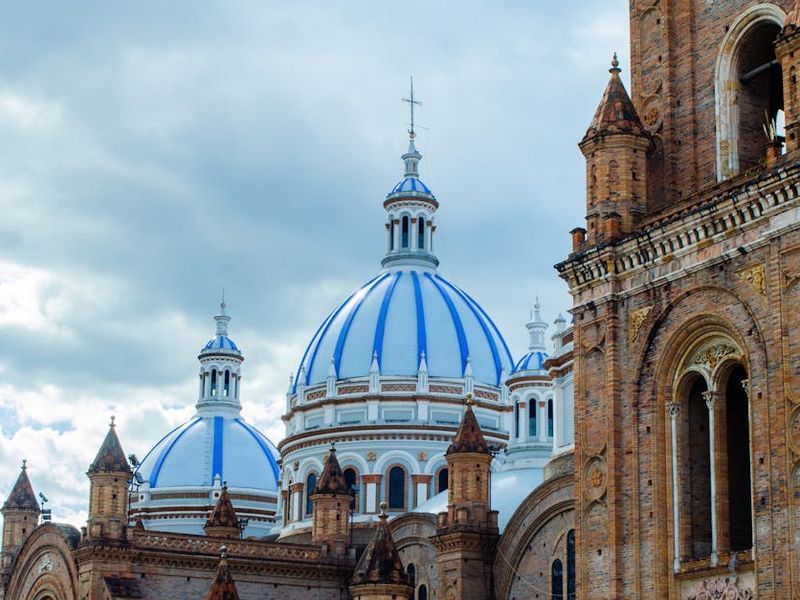
Cuenca is Ecuador’s best-preserved colonial center. Start at Parque Calderón, the leafy main square dominated by the New Cathedral with its unmistakable blue domes. The city’s historic center is a grid of cool churches, artisan shops and plazas—perfect for wandering.
Top sights in Cuenca
- Museo Pumapungo and its adjacent archaeological gardens—great for context on pre-Colombian life and local flora.
- Cathedral of the Immaculate Conception (the New Cathedral) — climb the tower if you can for central Cuenca views.
- Riverside walks along the Tomebamba and Yanuncay—take the El Barranco route for cafés and terraces.
- Mercados: Mercado 10 de Agosto and the flower and food stalls near Parcial—I recommend going in the morning for fresh produce and local breakfasts.
- Artisan neighborhoods: San Sebastián and barrio del Museo are hubs for panama hat workshops, ceramics and silverwork.
Eat like a local
Cuenca offers hearty Andean fare and fresh regional ingredients. Try locro de papa (creamy potato soup), hornado (slow-roasted pork) served with mote (hominy), and cuy if you’re adventurous. Don’t miss pan de yuca or fresh empanadas for breakfast, and sample local coffee and chocolate—shops in the historic center roast small batches.
Practical tips for staying in Cuenca
- Base yourself in the historic center or near the Tomebamba river for easy walking access to museums, restaurants and nightlife.
- Health and services: Cuenca has the best hospitals in the region and many private clinics popular with expats. Pharmacies are widespread.
- Connectivity: reliable Wi‑Fi is common in cafés and hotels; there are coworking spaces for longer stays.
- Markets: mornings are best—many vendors wrap up by early afternoon.
Day trips from Cuenca
Use Cuenca as a base for several spectacular day trips. Cajas National Park is an hour away and offers high-altitude lakes, peat bogs and brisk hiking. The Ingapirca ruins (a large Inca-Cañari complex) are reachable in a couple of hours and are a window into pre-Hispanic history. For artisans, the towns of Gualaceo and Chordeleg are renowned for weaving and silver jewelry, respectively.
Loja: culture, music and cloud forest access
Loja is quieter than Cuenca but rich in cultural life—music schools, galleries and small theaters give it a creative pulse. The city center is compact and walkable with a pleasant main plaza and leafy streets.
What to do in Loja
- Explore the city’s music scene—look for concerts or recitals at municipal venues and smaller cultural centers.
- Stroll El Centro: visit museums, local cafés and the Saturday artisan market to see regional crafts.
- Use Loja as a gateway to Podocarpus National Park for biodiversity and cloud-forest trekking—the park’s diversity of birds makes it a magnet for birders.
Practical notes for Loja
Loja’s climate is a touch warmer and drier than Cuenca’s. Accommodation ranges from simple guesthouses to boutique hotels near the main square. English is less common than in Cuenca, so basic Spanish phrases help; locals are friendly and used to visitors from the region.
Vilcabamba: relax, recharge, explore
Down in the valley, Vilcabamba offers a very different Andes experience—warmer days, slower pace and abundant hiking trails. The town has attracted wellness seekers and long-term visitors drawn to its temperate climate and relaxed lifestyle.
Why people come to Vilcabamba
- Climate and scenery: a sheltered valley with fertile hills and easy trails.
- Outdoor activities: day hikes to waterfalls, short treks through farmland and guided nature walks are all within reach.
- Wellness options: yoga, holistic centers and farm-to-table restaurants are common, but the town retains a rustic charm.
Practicalities for visiting Vilcabamba
Accommodation includes guesthouses, small hotels and eco-lodges. Internet and services are adequate for short stays, though speeds may be slower than in Cuenca. Transport options: daily buses from Loja, shared taxis and private drivers. If you’re staying longer, renting a scooter or arranging a local driver makes exploring nearby valleys simple.
Suggested 7–10 day itinerary
Here’s a compact itinerary that mixes city culture, nature and downtime.
- Day 1–3: Cuenca—historic center, Museo Pumapungo, riverside walks, local markets and a day trip to Cajas National Park.
- Day 4: Cuenca to Ingapirca and on to Gualaceo/Chordeleg—discover ruins and artisan towns—overnight in Cuenca or nearby.
- Day 5–6: Travel to Loja—explore plazas, the music scene and a half-day birding or cloud-forest hike near Podocarpus.
- Day 7–8: Vila (Vilcabamba)—relax, short hikes, waterfalls and local organic cuisine.
- Optional extra days: return to Cuenca for more food and museums or extend your stay in Vilcabamba to take in more trails.
Safety, money and local customs
Safety
The region is generally safe for travelers, but petty theft can occur in crowded places. Use common-sense precautions: keep valuables out of sight, use hotel safes, and avoid unlit streets late at night. Reliable transport and registered taxis are recommended after dark.
Money
Ecuador uses U.S. dollars, which simplifies budgeting. ATMs are common in Cuenca and Loja; carry some cash for smaller towns like Vilcabamba where credit card acceptance may be limited.
Culture and etiquette
Spanish is the dominant language—learn basic greetings and thank-you phrases. Politeness and a friendly handshake go a long way; in more rural contexts, people appreciate when visitors show respect for local traditions. Markets are great places for conversation—bargaining is normal but keep it friendly.
Packing list and health tips
- Layers: thermal base, fleece or light down, windproof shell—temperatures vary widely through the day.
- Sun protection: high-altitude sun is strong—bring sunscreen, sunglasses and a hat.
- Sturdy walking shoes: for cobblestones, trails and uneven streets.
- Water bottle and basic meds: hydration beats altitude discomfort; bring altitude remedies if you’re sensitive.
- Power adapters and a portable charger—power is standard but outlets may be limited in rustic lodges.
Health services are best in Cuenca, which has several modern hospitals and clinics. If you have a medical condition, bring prescriptions and carry travel insurance covering evacuation for remote activities.
Insider tips for a better trip
- Visit markets early in the morning when they’re lively and sellers have the freshest produce.
- If you’re sensitive to altitude, spend your first 24–48 hours in Cuenca taking it easy and drink plenty of water.
- Plan outdoor hikes for the mornings when skies tend to be clearest.
- Try to include at least one small, local festival or concert—Loja’s music scene is vibrant and often features free events.
- Support local artisans by buying direct from workshops in Chordeleg (silver) and Gualaceo (textiles).
Final thoughts
The Southern Highlands of Ecuador are a rich mix of culture, nature and relaxed living. Cuenca’s colonial streets and amenities make it a comfortable hub; Loja offers cultural depth and access to cloud forests; and Vilcabamba provides a restorative valley escape. Whether you’re seeking museums and markets, mountain hikes or a slower pace, this compact region rewards travelers who take time to explore its layered landscapes.
Bring curiosity, pack for shifting weather, and leave room in your itinerary for unplanned discoveries—some of the best moments in the southern highlands happen on a quiet riverside walk or a spontaneous visit to a family-run workshop.