
Table of Contents
Welcome to Cuenca: What to Expect on Your First Visit
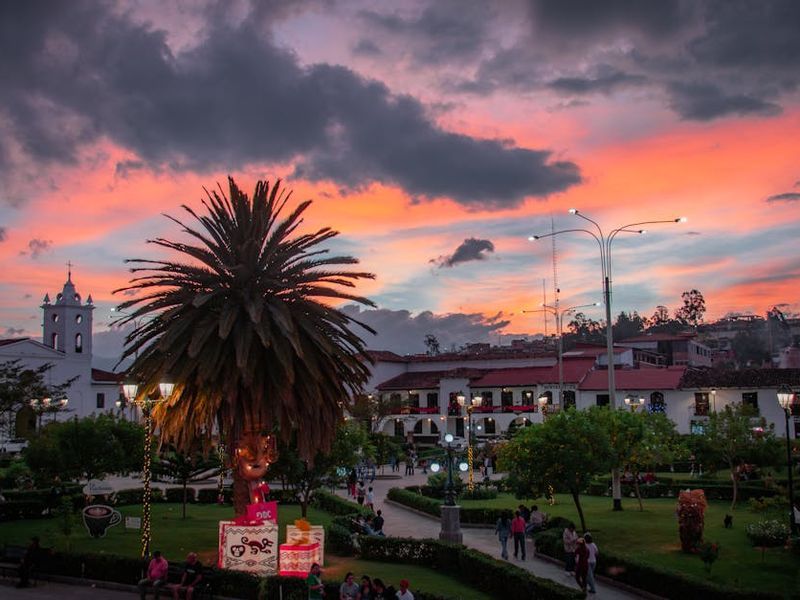
Cuenca, Ecuador is a compact, walkable city set in a high Andean valley whose colonial heart, red-tile roofs, and blue-domed cathedral make it one of the country’s most photogenic destinations. As a first-time visitor you’ll notice a relaxed pace, friendly locals, and a blend of indigenous and Spanish heritage at every corner. This guide gives practical, up-to-earth tips so you can enjoy Cuenca with confidence — whether you’re staying a weekend or settling in as an expat.
Quick Facts to Know Before You Go
- Altitude: Cuenca sits around 2,560 meters (about 8,400 feet). Expect mild altitude effects for the first day or two.
- Currency: The US dollar is Ecuador’s official currency; bring small bills for taxis and markets.
- Language: Spanish is dominant; some Quechua is still spoken in rural areas. A few English speakers are in tourist spots.
- Climate: Spring-like year-round with frequent rain showers and cool evenings. Pack layers and a rain jacket.
- Electricity: 120V and North American-style plugs are standard.
Before You Leave Home: Practical Preparations
Book accommodations in advance if your trip coincides with holidays or festivals. Carry a photocopy or photo of your passport and travel insurance details. If you rely on medications, bring enough for your stay and the original prescriptions; some medications are harder to obtain locally. Lastly, unlock your phone and check international roaming or plan to buy a local SIM on arrival.
Packing Essentials for Cuenca
- Layers: lightweight long-sleeve shirts, a warm sweater, and a lightweight waterproof jacket.
- Sunscreen and sunglasses (the sun is intense at altitude).
- Comfortable shoes for cobblestones and walking tours.
- Small bills in USD for taxis, markets, and tips.
- Reusable water bottle and basic first-aid items.
Getting to and Around the City
Most international travelers fly into Quito or Guayaquil and take a short domestic flight to Cuenca’s airport, Mariscal La Mar (airport code CUE). The airport is a relatively short drive from the city center. Many hotels offer airport pickups; if yours does not, pre-book a taxi or use a reputable app-based ride service when available.
Public Transport, Taxis and Ride-Hailing
Cuenca has an affordable public bus system that covers the city; carry exact change and small coins. Taxis are plentiful and inexpensive, but many operate without meters; agree on a price before you get in or ask the driver to use the meter. App-based services like Uber sometimes work, offering a convenient alternative, especially late at night. For day trips or longer excursions, consider hiring a licensed driver or joining a small group tour.
Where to Stay: Neighborhoods and Why They Matter
Choosing the right neighborhood shapes your experience. The Historic Center around Parque Calderón puts you within walking distance of major sights, cafes, and nightlife, but expect noise at night. If you prefer quieter residential streets, consider staying near El Vergel or the area around Turi, which also offers elevated views of the city. For longer stays, neighborhoods with local markets and bakeries give a more authentic daily-life feel.
Money, Cards, and ATMs
US dollars are used everywhere in Cuenca. Credit and debit cards are widely accepted at hotels, restaurants, and larger shops. Small vendors and markets are often cash-only, so carry small denominations. ATMs are plentiful in the central areas, but avoid using isolated machines at night; use ATMs inside bank branches when possible to reduce the risk of card skimming. Notify your bank of travel dates to avoid declined transactions.
Health and Altitude Tips
The altitude in Cuenca can cause mild symptoms: shortness of breath, slight headache, or fatigue. Take it easy the first 24–48 hours, hydrate, avoid heavy exertion, and skip alcohol on arrival. If you are prone to altitude sickness, speak to your doctor before traveling about possible medication. Tap water in Cuenca is generally treated; many residents drink it, but if you have a sensitive stomach stick to bottled water or use a reliable filter for peace of mind.
Safety: Smart Habits for Visitors
Cuenca is known as one of Ecuador’s safer cities, especially compared to larger urban centers, but petty theft and pickpocketing can occur. Use common-sense precautions: keep valuables out of sight, use a money belt or inside jacket pocket, avoid empty streets at night, and do not flash large amounts of cash. Use hotel safes for passports and extra cash. When taking taxis, prefer those hailed from a reputable taxi stand or ordered through an app.
Food and Dining: What to Try
Cuenca’s food scene blends Andean ingredients with traditional Ecuadorian flavors. Don’t miss local favorites like hornado (slow-roasted pork), locro de papa (creamy potato and cheese soup), and the adventurous cuy (roasted guinea pig) for those curious to try a local specialty. Street snacks such as empanadas de viento and helados de paila (hand-churned fruit ice cream) are delicious and widely available. For coffee lovers, small specialty cafés are cropping up across the city offering excellent local roasts.
Cultural Tips and Local Etiquette
Greet people with a polite handshake or a cheek kiss for friends and acquaintances; using basic Spanish phrases will be appreciated everywhere. When visiting indigenous markets or smaller towns, ask before photographing people, and respect local dress and customs. Haggling is acceptable in artisan markets but unnecessary in fixed-price stores and modern boutiques.
Must-See Sights and Experiences
Start at Parque Calderón, the bustling heart of the Historic Center, where you can admire the new cathedral with its iconic blue domes. Walk along the Tomebamba River and its scenic promenades, and explore the narrow cobblestone streets dotted with artisan shops selling Panama hats, silver jewelry, and woven goods. Museums like the Museo Pumapungo showcase pre-Columbian ruins and cultural exhibits.
Day Trips from Cuenca
- El Cajas National Park: Roughly a short drive from the city, this high-altitude park offers crystalline lakes, páramo landscapes, and well-marked trails for hiking. Bring warm clothing and prepare for sudden weather changes.
- Chordeleg and Gualaceo: These nearby towns are known for jewelry, weaving, and pottery—perfect for artisan shopping and experiencing rural markets.
- Ingapirca: The most important Inca ruins in Ecuador, a longer day trip but worth it for history buffs.
Photography Tips and Best Times to Explore
Golden hour (just after sunrise and before sunset) offers the most flattering light for photographing the blue domes and river reflections. Mornings are quieter in the Historic Center if you prefer unobstructed photos. Beware of slick cobblestones after rain; bring a compact tripod with a non-slip plate for low-light shots.
Connectivity and Communications
Wi-Fi is commonly available in hotels, cafes, and some public spaces. If you need reliable data, buy a local prepaid SIM from providers such as Claro or Movistar; bring your passport for registration. Local data plans are affordable and useful for maps, translation apps, and ride-hailing services.
Responsible Travel and Respecting the Environment
Take steps to minimize your footprint: carry reusable bags, avoid single-use plastics, and stick to marked trails in natural areas. If visiting indigenous communities or rural markets, buy directly from artisans where possible to support local livelihoods. Be mindful of cultural sites and follow posted rules at archaeological sites like Pumapungo and Ingapirca.
Final Practical Tips to Make the Most of Your Visit
- Carry small denominations of USD for taxis, tips, and market purchases.
- Pack layers and a lightweight rain jacket; weather can change quickly.
- Give yourself time to acclimatize to the altitude; schedule intense hikes later in your trip.
- Ask locals for recommendations — Cuenca’s best cafes and markets are often found through word of mouth.
- Learn a few Spanish phrases; basic greetings go a long way toward friendly interactions.
Cuenca is a city that rewards slow travel: stroll its plazas, linger in cafés, and take a day to explore the nearby mountains and artisan towns. With a little planning and the practical tips above, your first visit can be comfortable, safe, and deeply enjoyable. Buen viaje!