
Table of Contents
Overview: Why the Southern Highlands Deserve a Spotlight
Ecuador’s southern highlands offer a different rhythm than the Amazon or the coast. Here you’ll find crisp mountain air, colonial stone streets, biodiverse reserves and pockets of wellness- and culture-focused communities. The trio of Cuenca, Loja and Vilcabamba provides a mix of UNESCO architecture, artistic energy and mellow valley retreats — all within a few hours of each other by road. This guide will help you plan routes, pick activities and travel smartly between these destinations.
Quick Snapshot of Each Town
Cuenca: The Cultural Hub
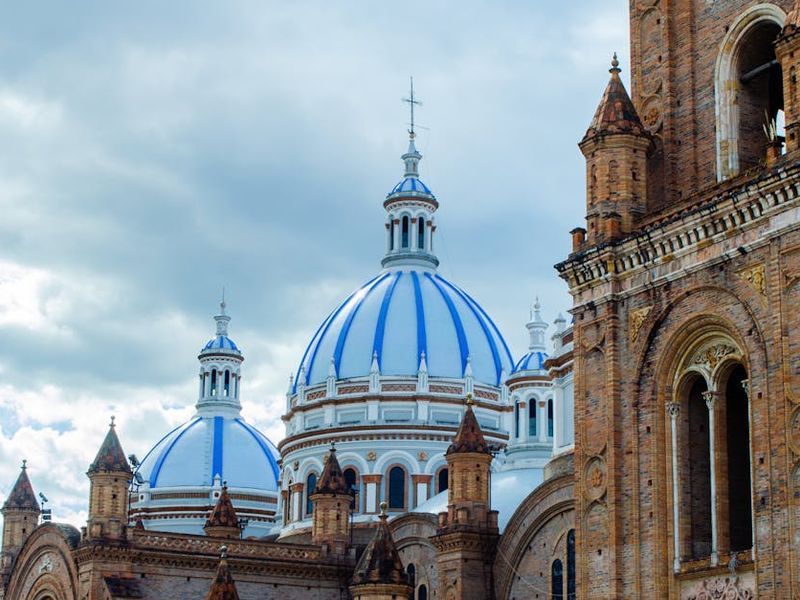
Cuenca (Azuay province) is the region’s most visited city thanks to its UNESCO-listed historic center, leafy plazas and thriving artisan scene. Expect well-preserved colonial buildings, cathedral domes that dominate the skyline, museums, lively markets and reliable services for travelers — good hotels, restaurants and healthcare. Cuenca is both walkable and well connected for day trips into surrounding landscapes.
Loja: Ecuador’s Musical City
Loja is smaller and quieter than Cuenca but carries a strong artistic reputation. Known for music, conservatories and regional festivals, Loja is a jump-off point for cloud forest adventures and biodiversity hotspots. You’ll find cozy cafes, civic plazas with evening performances and easy access to national parks favored by birders.
Vilcabamba: The Valley of Slow Living
Vilcabamba sits in a warmer valley and has become synonymous with relaxation, wellness retreats and outdoor activities. The town’s easy-going energy attracts hikers, ex-pats and people seeking a slower pace. While services are more limited than in Cuenca, its cafes, markets and small lodges are ideal for unwinding and exploring rural Ecuadorian life.
Getting There and Getting Around
Transport in the southern highlands is practical and affordable if you know your options. Roads connect these towns, with regular intercity buses and private transfer possibilities. If you prefer speed, domestic flights link Cuenca and Loja with Quito and Guayaquil.
By Air
- Cuenca’s Mariscal La Mar Airport (CUE) and Loja’s nearby Catamayo/La Toma airport offer domestic flights — handy if you’re short on time.
- Flight schedules can change seasonally, so book ahead when possible and account for small-airline baggage rules.
By Bus and Shuttle
- Frequent buses run between Cuenca and Loja, and from Loja to Vilcabamba. Expect multi-hour trips on mountainous roads; travel times vary with traffic and stops.
- Choose reputable operators for more comfort (some lines offer reclining seats and onboard toilets). Private shuttles or taxis are pricier but faster and door-to-door.
Car Rentals and Driving
Renting a car gives freedom to explore small communities and parks, but be ready for narrow, winding mountain roads and occasional potholes. GPS apps work well, but keep a local paper map as backup in remote stretches. Parking in Cuenca’s historic core is limited — plan to use park-and-walk lots or hotel parking.
When to Visit: Weather and Seasons
The highlands have gentler temperature swings than the coast. Cuenca sits at around 2,500 meters (about 8,200 ft) and is cool year-round. Loja is a bit lower and drier in its valley microclimate, while Vilcabamba is noticeably warmer.
- Dry season: roughly June–September — sunnier days and excellent hiking conditions.
- Wet season: roughly October–May — expect afternoon showers and greener landscapes; travel is still very doable but pack rain gear.
- Altitude note: while these towns are at moderate elevations, take it easy during your first day in Cuenca to adjust and stay hydrated.
Top Things to Do in Cuenca
Cuenca combines sightseeing with access to nature. Spend a few days to explore both the city and nearby attractions.
Historic Center & Walkable Highlights
Start with Parque Calderón, surrounded by cafes and the striking cathedral with its blue-tiled domes. Walk the stone streets, cross the rivers on quaint bridges and pop into artisan shops for toquilla straw hats (often called Panama hats), ceramics and silverwork.
Museums & Markets
Don’t miss the local museums that highlight indigenous history, colonial art and contemporary works. The municipal and regional markets offer fresh produce, flowers and a lively glimpse into daily life — ideal for tasting local snacks and buying handcrafted souvenirs.
Day Trip: Cajas National Park
Less than an hour from Cuenca, Cajas National Park is a high-altitude reserve of lakes, páramo and hiking trails. It’s a favorite for birdwatchers and photographers. Wear layers and protect against sun exposure — weather can change quickly at high elevations.
What to See and Do in Loja
Loja rewards visitors who appreciate culture and nature in equal measure.
Music, Festivals and Local Culture
Look for live music in plazas and small theaters. If your trip coincides with a festival, you’ll see the city at its most vibrant — traditional music and dance performances are common.
Nature Nearby: Cloud Forests and Birding
Podocarpus National Park and surrounding cloud forests are biodiversity hotspots within short drives from Loja. They’re ideal for birdwatching, orchid spotting and guided nature walks. Local guides are affordable and can help you find elusive species.
Markets & Coffee
Loja’s markets sell locally roasted beans and small-batch coffee — a great place to sample regional flavors. Try a leisurely evening at a plaza café and enjoy the gentler pace compared to larger cities.
Why Travelers Flock to Vilcabamba
Vilcabamba’s reputation as a wellness haven is part charm, part landscape. The valley’s milder climate supports rich agriculture and a slower lifestyle. Many visitors come for hiking, yoga retreats and fresh local food.
Outdoor Activities
Trailheads leave town for waterfalls, viewpoints and gentle mountain walks. Paths vary from easy strolls to several-hour climbs; local tour operators can match a route to your fitness level. Pack good walking shoes and sun protection.
Wellness, Food & Markets
The town has health-food cafes, juice bars and markets selling organic produce. You’ll find an array of small lodges and retreat centers catering to visitors seeking rest, detox or yoga workshops. Dining options tend to be community-focused; try local dishes and farm-to-table menus.
Practical Tips: Money, Connectivity & Language
Plan ahead to make your trip smoother and more comfortable.
- Currency: Ecuador uses the US dollar, which simplifies budgeting for many international travelers.
- ATMs: Widely available in Cuenca and Loja. In Vilcabamba expect fewer machines — carry some cash for small purchases.
- SIM cards & internet: Major carriers offer prepaid SIMs with decent coverage in towns; signal may be spotty in some rural areas. Wi-Fi is common at hotels and cafes in Cuenca.
- Language: Spanish is the norm. English is spoken in tourist hubs, but having a few Spanish phrases goes a long way for better service and local interactions.
Safety and Health Considerations
The southern highlands are generally safe for tourists, but normal precautions apply.
- Petty theft: Watch your belongings in crowded markets and on buses. Use anti-theft bags for valuables.
- Night travel: Avoid isolated streets at night; use registered taxis or hotel-recommended drivers.
- Altitude: Cuenca’s elevation can cause mild symptoms (headache, fatigue). Move slowly on day one and stay hydrated. If you plan to hike into higher páramo areas, acclimatize first.
- Health care: Cuenca has modern clinics and hospitals; carry travel insurance with medical evacuation coverage if you’ll be trekking in remote areas.
Sample Itineraries
One-Week Relaxed Pace
- Day 1–3: Cuenca — historic center, museums, artisan markets, day trip to Cajas.
- Day 4–5: Loja — wander plazas, enjoy local music, short hikes into cloud forest reserves.
- Day 6–7: Vilcabamba — relax in the valley, try a guided nature walk, enjoy wellness offerings.
Two-Week In-Depth
- Spend extra days in Cuenca for language classes, volunteering or exploring nearby villages and ceramic workshops.
- From Loja, add multi-day treks or birding excursions in Podocarpus.
- Use Vilcabamba as a base for farm visits, longer hikes or health retreats.
Packing List: What to Bring
- Layered clothing — warm mornings and evenings, sunny afternoons.
- Light rain jacket and quick-dry clothing for wet-season travel.
- Good walking shoes for cobblestones and trails.
- Sun protection: hat, sunglasses, sunscreen; UV is strong at altitude.
- Reusable water bottle and water purification tablets for remote hikes.
- Basic first-aid kit and any altitude medication recommended by a doctor.
Where to Stay: Styles and Budgets
Accommodation ranges from polished boutique hotels in Cuenca to family-run guesthouses and eco-lodges in Vilcabamba.
- Cuenca: Upscale hotels in the historic center, mid-range inns near the Parque Calderón and hostels for budget travelers.
- Loja: Comfortable small hotels and hospedajes; look for central locations near parks and concert venues.
- Vilcabamba: Eco-lodges, retreat centers and small B&Bs — book ahead during high season.
Responsible Travel and Local Etiquette
Support local businesses by shopping at artisan markets, hiring local guides and eating in family-run restaurants. Learn a few polite Spanish phrases and ask before photographing people. When hiking or visiting reserves, stick to trails, carry out trash and consider contributing to conservation fees or community tours.
Final Thoughts: Planning a Southern Highlands Route
The southern highlands of Ecuador offer an appealing combination of culture, nature and slower-paced towns that suit a wide variety of travelers. Whether you come for Cuenca’s architecture and museums, Loja’s cultural pulse, or Vilcabamba’s restorative valley life, a little planning goes a long way. Pack for changing weather, plan reasonable travel legs between towns and allow time to savor meals, markets and the small discoveries — the region rewards curiosity and a relaxed itinerary.
Ready to explore? Start with Cuenca as your base, weave through Loja’s music-filled streets, and finish in Vilcabamba for rest and outdoor adventures. With smart logistics and local knowledge, you’ll come away with vivid memories of Ecuador’s southern highlands that rarely make it into the typical tourist brochure.