
Table of Contents
Why Cuenca Is Great for Active Expats
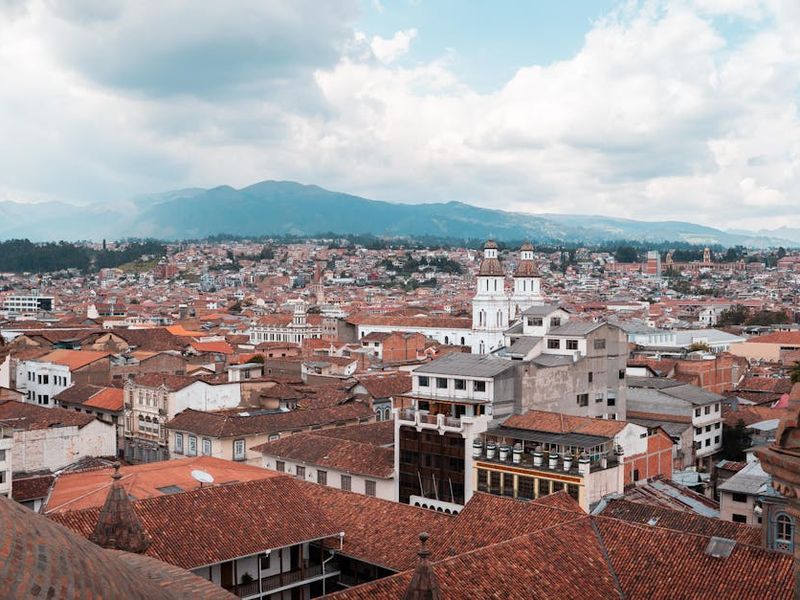
Cuenca, Ecuador blends colonial charm with natural playgrounds—making it an unexpectedly good base for expats who want to stay fit. At roughly 2,560 meters (8,400 feet) above sea level, the city offers crisp air, walkable neighborhoods, and easy access to mountains, lakes, and organized sports facilities. Whether you prefer solo runs along the Tomebamba River, weekday CrossFit classes, or weekend bike rides in Cajas National Park, Cuenca has options for every activity level.
Outdoor Running and Walking Routes
One of the simplest ways to stay active in Cuenca is to lace up and run. The malecon along the Tomebamba River provides a flat, scenic corridor through the historic center—perfect for morning jogs that finish with coffee on a plaza. Parque Calderón, the city’s central plaza, is also a popular meeting point for walking groups and guided historic runs.
For hill repeats or longer routes, head to Mirador de Turi or the residential neighborhoods of El Batán and Yanuncay. These areas offer steeper streets and quieter sidewalks. If you want a trail experience without leaving the canton, the green spaces around Parque de la Madre and the botanical edges near Pumapungo are excellent for mixed-terrain workouts.
Cycling: Urban Routes and Day Trips
Cuenca’s bike culture has grown over the last decade. Cyclists enjoy a variety of rides: easy flat circuits along the river and more challenging climbs toward Turi and the hills east of the city. Many expats organize weekend rides that transform into café stops in surrounding towns like Gualaceo or Chordeleg.
For mountain biking and day-long adventures, Cajas National Park—about 30–45 minutes from Cuenca—delivers lakes, rocky trails and dramatic scenery. Bike shops and local guides operating out of the city can help you rent mountain bikes or join guided tours if you don’t want to transport your own gear.
Pools and Aquatic Options
Swimming is a low-impact way to train at altitude. Cuenca has public and private pools of varying quality. Many neighborhoods have municipal pools or community centers where you can buy lap-time passes. Private clubs and several hotels also offer heated pools and lap lanes—handy for swim training during the cooler months.
If you’re serious about masters swimming or triathlon training, look for weekly lap sessions and community swim groups in expat Facebook forums or at sports stores. Pool rules can be strict (required showering before entry is common), so come prepared with a modest swimsuit and flip-flops for the deck.
Team Sports and Organized Leagues
Soccer is the most visible team sport in Cuenca. The Alejandro Serrano Aguilar Stadium hosts professional matches and is at the heart of local fan culture. For expats, casual pick-up soccer games and community leagues are easy to find—search community boards, local universities, or ask at sports complexes in neighborhoods such as El Vergel or El Centro.
Volleyball, basketball and futsal courts are scattered around municipal sports complexes (complejos deportivos). These facilities often host local tournaments and adult recreational leagues. The key to joining is showing up consistently; teams welcome reliable players and respect goes a long way in earning a spot.
Racquet Sports: Tennis and Emerging Pickleball Scenes
Tennis clubs and public courts are popular with both locals and expats. Many courts are clay, so bring the right shoes. Private clubs sometimes offer coaching and evening league matches, while municipal courts are more budget-friendly—typically operating on a pay-per-play or reservation system.
Pickleball is gaining traction among the expat community, too. You’ll find informal groups playing at multi-use courts and community centers—an excellent way to meet people if you’re new to the city.
Gyms, CrossFit Boxes, and Boutique Studios
Cuenca’s gym scene ranges from basic neighborhood gyms to upscale fitness clubs and specialized CrossFit boxes. Monthly membership prices vary: budget gyms tend to be very affordable, while premium clubs with pools and classes command higher fees. Many gyms offer packages in US dollars, and some accept single-visit passes if you’re testing options.
Group fitness—Zumba, spinning, yoga and pilates—are widely available and taught in Spanish, though many instructors accommodate English speakers or expat classes exist. If you’re interested in functional fitness, look for CrossFit affiliates and strength-training gyms clustered around the city’s central and western neighborhoods.
Outdoor Adventure: Hiking, Trail Running and Cajas National Park
Cajas National Park is the crown jewel for outdoor enthusiasts. With hundreds of small lakes, dramatic ridgelines and highland páramo terrain, it’s ideal for day hikes, trail running and mountain biking. Local tour companies and guide services offer transport, maps and guided treks—important if you’re new to acclimatizing at higher elevations.
Closer to town, dozens of marked and unmarked trails head into the surrounding hills. Popular local hikes include routes up to El Mirador de Turi and trails that wind through coffee farms and rural villages. Always check weather and bring layers; conditions can shift quickly at altitude.
Golf, Equestrian, and Niche Sports
Golfers will find private courses and country clubs within a short drive of Cuenca. Memberships tend to be pricier than urban gyms but are an accessible option for expats who want a social club atmosphere. If you ride, equestrian centers on the outskirts of the canton offer lessons, guided trail rides and boarding services.
Other niche options—rock climbing, yoga retreats, dance studios (salsa, tango) and martial arts—are easy to locate through community boards or social media groups. These activities are often run by passionate locals who welcome new participants and offer beginner-friendly schedules.
How to Find the Right Facility as an Expat
Start by deciding what matters most: price, proximity, language support, equipment or social atmosphere. Use these steps to narrow down choices:
- Check expat Facebook groups and Meetup for personal recommendations and comments on specific facilities.
- Visit a place in person—many gyms and clubs offer a free day or trial week.
- Ask about class schedules and whether instructors can teach in English or will translate.
- Verify opening hours—some facilities close for siesta or have reduced weekend schedules.
- Confirm payment methods—many small gyms still prefer cash, while larger clubs accept cards and bank transfers.
Practical Tips for Training at Altitude and Staying Safe
Cuenca’s elevation affects performance and recovery. Expect slightly slower times and altered breathing for the first few weeks. Take these precautions:
- Allow 1–3 weeks to acclimatize before intense workouts; hydrate well and reduce intensity initially.
- Bring sun protection—UV exposure is stronger at high altitude even when it’s cool.
- Layer clothing. Morning runs can be chilly but days warm quickly.
- Drink bottled water for long rides or hikes outside the city, and carry basic first-aid supplies.
Costs, Memberships and Local Etiquette
Cuenca uses the U.S. dollar, which simplifies comparing prices. Budget gyms and municipal courts tend to be very affordable; private clubs and country clubs are more expensive. Monthly gym memberships can range from low-cost neighborhood options to higher-end clubs with extensive amenities.
Respect local etiquette: arrive on time for classes, remove shoes where required, and bring exact change if the facility is small. Many facilities appreciate polite, consistent participation—showing up regularly is the best way to integrate into local teams and classes.
Connecting with Other Expats and Locals
Social connections will help you discover the best hidden sports spots. Look for running clubs that meet early in the parks, cycling groups that depart from a central coffee shop, or expat volleyball nights. Language exchange events and fitness Meetups are great ways to meet both Spanish-speaking locals and other internationals.
Local universities and private schools sometimes have open events, tournaments or community memberships—these can be excellent gateways to team sports and facilities that might otherwise be hard to access.
Seasonal Considerations
Cuenca’s climate is mild year-round, but it still has a rainy season (typically from October to May) that can limit outdoor options. During wetter months, indoor facilities such as gyms, swimming pools and sports halls are in higher demand. Planning indoor alternatives and checking weather forecasts can help you maintain consistency.
Final Advice for Active Expats
Staying active in Cuenca is as much about community as it is about facilities. The city’s mix of public parks, riverfront promenades, municipal courts and private clubs means you can curate a fitness routine that suits your budget, comfort level and social needs. Be patient while you acclimatize, ask for recommendations from other expats and locals, and be open to trying new activities—Cuenca’s unexpected variety is one of its best assets for a healthy expat life.
With a bit of exploration, you’ll find the right places to train, meet people and enjoy the outdoors—whether that’s a sunrise run by the Tomebamba, a Saturday bike ride into the highlands, or a friendly tennis match at a neighborhood court.