
Table of Contents
Why Cuenca’s Markets Are a Must-Visit
Cuenca is as much a market city as it is an architectural gem. The rhythm of daily life here pivots around bustling stalls overflowing with Andean vegetables, tropical fruits, cheeses, flowers and handwoven textiles. For expats and visitors alike, markets are a direct line to local foodways and craft traditions—an affordable, sensory way to understand the region.
Main Market Hubs to Explore
There are a handful of market areas that any visitor should put on their map. Each has a distinct vibe and specialties: fresh produce and meats in the central food markets, weekend artisan stalls clustered near the cathedral and along the Tomebamba river, and smaller neighborhood farmer stands where growers sell directly to residents.
Mercado Central (Central Market)
The Central Market—often simply called the Mercado Central—is located in the heart of the old town close to the main square. This is where locals shop for everyday groceries: sacks of corn and rice, piles of potatoes and tubers, fresh herbs and a dizzying variety of fruits. Expect an honest, energetic atmosphere where vendors will happily weigh and bag your items.
San Blas and Riverside Artisan Areas
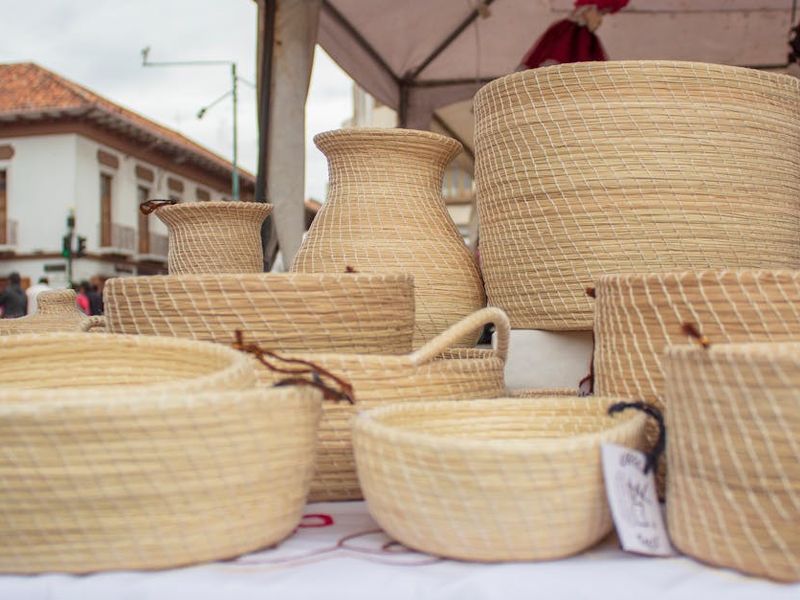
Upstream along the Tomebamba and into the San Blas neighborhood, you’ll find artisan stalls and small galleries selling jewelry, woven goods and decorative crafts. These areas are ideal for shoppers who want to browse handmade items in a quieter setting than the busiest market halls.
Pumapungo Vicinity
The Pumapungo museum and its surrounding area attract both tourists and local craft sellers. After visiting the museum’s archaeological displays and ruins, walk the nearby streets to find textiles, ceramics and leather goods from Azuay artisans—often with a clearer story of origin than items sold in high-traffic tourist shops.
What to Buy: Fresh Produce You Shouldn’t Miss
Cuenca sits in the southern highlands, and markets reflect that unique intersection between Andean and tropical agriculture. Here are staple items to look for and why they’re worth buying:
- Avocados (aguacates): Creamy and versatile—perfect for breakfasts, salads and sauces. Choose slightly firm ones to ripen at home, or soft if you need them immediately.
- Tree tomatoes (tomate de árbol): Tart and bright, they make excellent juices and sauces (jugos y salsas).
- Uchuvas (golden berries): Sweet-tart snacks or salad toppers; buy a small bunch to try them fresh.
- Mote and hominy: Pre-cooked corn kernels used in many local dishes; buy fresh from the kernel bins.
- Leafy greens and herbs: Cilantro, cebolla blanca (spring onions), and local greens are fresher and often cheaper here than in supermarkets.
- Root vegetables: Potatoes come in many local varieties, as do melloco and ocas—interesting for cooks who want to experiment with Andean tubers.
- Local cheeses and quesillos: Fresh, mild cheeses often sold in rounds—ask to taste a small piece before buying.
Handmade Crafts: What’s Authentic and Where to Find It
Cuenca’s craft scene blends traditional Andean techniques with contemporary designs. Look for items that show the maker’s touch rather than mass-produced finishes:
- Handwoven textiles: Alpaca throws, scarves and ruanas are common; check the weave for evenness and look for natural dyes and clear labeling.
- Straw hats (Panama-style): While the famous toquilla straw hats are associated with Montecristi, Cuenca artisans also sell quality straw hats—look for tight, even weaving and a soft, uniform color.
- Ceramics and pottery: From functional kitchenware to decorative pieces, local claywork often features traditional motifs and natural glazes.
- Leather goods: Belts, wallets and shoes—inspect stitching and hardware for quality.
- Silver and bead jewelry: Small workshops produce attractive earrings and necklaces—ask whether the silver is sterling and check the clasps.
Practical Tips for Shopping Like a Local
Markets run smoothly if you follow a few straightforward practices. Here are practical tips that save money and stress:
- Bring cash and small change: Most stalls are cash-only. Vendors appreciate small denominations for quick transactions.
- Carry reusable bags: Plastic bags may be available but bring sturdy bags to protect fragile items and reduce waste.
- Shop early: Mornings (7–10 am) offer the best selection and freshest items. For the fullest craft selection, weekends often have more stalls.
- Ask to taste: For cheeses, fruits or juices, most vendors will gladly let you sample a small piece before you commit to buying.
- Haggling is for crafts, not produce: Bargaining modestly on handmade items is acceptable; avoid haggling over basic food items where prices are competitive.
Transport, Logistics and Market Hours
Getting to markets is straightforward. Cuenca’s historic center is compact and walkable; many markets and artisan streets are within a 10–20 minute walk of the main square. Taxis are cheap for longer trips—request a metered ride or agree on a price before you go. Some neighborhoods host weekly farmer’s markets at fixed times (early morning), while artisan fairs tend to pop up around holidays and on weekends.
If you plan to take a lot of produce home or travel further, bring an insulated bag or small cooler—mornings are cool, but warm mid-day sun can soften delicate fruits. For larger craft purchases, ask the vendor if they will ship (many shops will ship within Ecuador or internationally for a fee).
Food Safety, Storage and How to Make Purchases Last
Fresh produce bought at markets will last longer when handled properly. Here are reliable storage tips:
- Leafy greens: Rinse, spin or pat dry, then store wrapped in a paper towel inside a plastic bag in the refrigerator to reduce moisture and prolong crispness.
- Avocados: To speed ripening place them in a paper bag with a banana; to slow ripening move ripe avocados to the fridge.
- Tropical fruits: Some fruits (like papaya and mango) keep on the counter until ripe and then move to the fridge; others, like uchuvas, store best in a shallow container with airflow.
- Cheeses: Wrap in parchment paper then loose plastic to allow aromas to breathe while preventing drying out.
- Roots and tubers: Store in a cool, dark cupboard—do not refrigerate potatoes or yams as chill temperatures can change their texture.
Sample Half-Day Market Route
Try this simple route to experience a broad slice of Cuenca markets in a morning:
- Start at the Central Market for fresh fruits, coffee and breakfast from a street food stall (try llapingachos or a bowl of warm mote).
- Walk toward Pumapungo to browse artisan stalls and museums—stop for a juice made with tree tomato or golden berries.
- Cross into the San Blas district to find unique textiles and small artisan galleries—this is a great place for photos and quieter shopping.
- Finish by wandering along the Tomebamba river near the historic center where occasional weekend craft vendors set up for an easy afternoon stroll.
How to Spot Quality in Crafts and Food
Recognizing quality takes a few practiced moves. For textile goods, check the weave and feel; natural fibers like alpaca and wool will feel warm and substantial, and the edges should be securely finished. For ceramics, look for even glazing and a steady base—wobbly pieces are less likely to be well-fired. With food, smell and texture are your best guides: ripe fruits will have a fragrant aroma, and fresh cheese should be moist without excessive liquid.
Etiquette and Cultural Notes
Market vendors are friendly and used to visitors. A few polite phrases in Spanish go a long way—simple greetings like “buenos días” and “¿Cuánto cuesta?” will open the door to friendlier interactions. Don’t rush or act indifferent—vendors appreciate respectful curiosity. If you want to take photos of stall owners or artisans, ask first; many will be happy to pose for a quick picture or demonstrate their technique.
Safety and Common Sense
Markets are generally safe, but standard urban precautions apply. Keep wallets and phones in front pockets or inside zipped bags, avoid carrying large amounts of cash, and be mindful in crowded aisles. If you’re traveling farther afield to rural farmer’s markets, let someone know your plans and carry a charged phone and local emergency numbers.
Sustainability: Shopping with the Planet in Mind
Cuenca’s markets are inherently more sustainable than chain stores—you’ll often be buying seasonal produce with minimal packaging. Reduce waste further by bringing reusable bags and containers for purchases, choosing unpackaged produce where possible, and supporting vendors who use compostable materials or minimal plastic. Buying directly from small producers also supports local livelihoods and helps preserve artisan traditions.
Final Recommendations and a Few Insider Tricks
To make the most of market shopping in Cuenca: go hungry, bring cash and take your time. Weekdays will be less crowded, while weekends offer a livelier selection of crafts. Don’t be afraid to ask questions—about where the food is grown, how the craft was made, or suggestions for local recipes. Vendors often share cooking tips, and you’ll leave with not only great ingredients and beautiful objects but also recipes and memories tied to the place.
Markets are where Cuenca’s flavors and crafts come alive. Whether you’re an expat building a pantry, a cook seeking new ingredients, or a shopper looking for true handmade goods, a market day in Cuenca is an invitation to slow down, taste, learn and connect.