
Table of Contents
Overview: Quito to Cuenca — what to expect
Traveling between Quito and Cuenca takes you from Ecuador’s highland capital down to one of the country’s most beloved colonial cities. The distance by road is roughly 470–500 km (about 290–310 miles) and the journey crosses high Andean valleys, volcanic foothills and scenic towns. How you travel depends on your priorities: speed, cost, scenery, or comfort. This guide breaks down the pros and cons of flying, taking a public bus, or driving yourself — with realistic travel times, money-saving tips and practical local details for a hassle-free trip.
By plane: the fastest option
Flying is the quickest way to connect Quito and Cuenca. The airborne time is about 40–60 minutes, though you should factor in airport procedures, ground transfers and potential delays. Quito’s international airport (Mariscal Sucre, UIO) sits outside the city in Tababela, while Cuenca’s airport (Mariscal Lamar, CUE) lies on the city’s outskirts.
Pros and cons of flying
- Pros: Fastest door-to-door option, ideal if you’re short on time or booking a connecting international flight.
- Cons: More expensive than the bus; add time for check-in, security and airport transfers. Flights can be less scenic and you miss the landscapes along the Pan-American.
Practical tips for flying
- Arrive at least 60–90 minutes before a domestic flight. Baggage screening and security are generally efficient but lines vary.
- Book early if you travel during holiday seasons (Easter, school vacations) to lock in lower fares.
- From Quito city center, plan 30–50 minutes to the airport without heavy traffic; from Cuenca airport to downtown expect 20–40 minutes by taxi depending on traffic.
- Domestic fares vary widely — compare options and watch for baggage and seat-selection fees.
By bus: affordable, comfortable, and scenic
Buses are the most budget-friendly way to travel and, if you pick a daytime route, offer impressive views of Ecuador’s central highlands. Long-distance buses between Quito and Cuenca typically take 8–10 hours depending on route, stops and traffic.
Types of buses and onboard amenities
- Standard interprovincial buses: economical with basic seats and frequent stops.
- Executive or VIP buses: fewer stops, more legroom, reclining seats and sometimes onboard restrooms and snacks.
- Overnight services: useful for saving a night’s accommodation and arriving in the morning. For many, a reclining VIP overnight bus is comfortable enough to sleep.
Where to catch the bus
In Quito most long-distance buses to southern cities depart from the Quitumbe Terminal (Terminal Terrestre de Quitumbe). Always confirm departure terminal when you book. In Cuenca, buses arrive at the main interprovincial terminal on the edge of town — expect a short taxi ride to historic Cuenca or use local transport options.
Tips for riding the bus
- Reserve seats in advance during busy seasons. Even VIP buses can sell out.
- Carry a small travel pillow, snacks and earplugs for overnight trips.
- Keep valuables with you and use a money belt or inside jacket pocket when sleeping on overnight buses.
- Bring layers — the highlands can be chilly early morning, but buses sometimes blast heaters.
By car: independent, flexible, and scenic
Driving gives you the freedom to stop wherever you want — markets, viewpoints, small towns — and turns the transfer into a mini-road trip. Time on the road is usually 8–10 hours depending on route and stops. If you prefer to split the drive, an overnight at a midpoint like Ambato or Riobamba makes for a relaxed pace.
Recommended driving route and highlights
The most common route follows the Pan-American/ E35 south through central highland towns. Along this road you can detour to:
- Ambato — an agricultural hub with markets and pleasant plazas.
- Riobamba — gateway to Chimborazo viewpoints and trains to Alausí.
- Alausí — jump-off point for the famous Nariz del Diablo (Devil’s Nose) train if you want a scenic side trip.
- Aguas termales and mountain lookouts — bring a camera for glacier and volcano views on clear days.
Driving practicalities and safety
- Roads: Major highways are paved and generally in good condition, but expect narrow mountain sections, occasional construction and livestock near rural stretches.
- Night driving: Avoid mountain driving after dark if possible. Visibility, fatigue and occasional unlit vehicles increase risk.
- Fuel and tolls: Service stations are common on main routes, but carry some cash for occasional tolls or rural transactions.
- Car rental: Get full insurance coverage, a local GPS or offline maps, and a reliable roadside assistance option. Confirm pick-up/drop-off policies if leaving the car in Cuenca.
Costs and time estimates for driving
Costs depend on your vehicle’s fuel efficiency, fuel prices and rental rates if applicable. Budget for fuel, tolls, and possible parking fees in Cuenca’s downtown. Factor in rest stops and sightseeing time — a flexible schedule makes the long drive far more enjoyable.
Choosing the right option for your trip
Ask yourself: do you want speed and convenience, a budget-friendly route, or maximum flexibility?
- If time is tight or you have a connecting flight: choose to fly. It’s fast and convenient.
- If you are on a budget and don’t mind a long ride: take the bus. It’s economical and often comfortable.
- If you want a flexible itinerary and scenic stops: drive. Split the journey over two days for comfort and exploration.
What to expect on arrival in Cuenca
Cuenca’s historic center is compact, walkable and best explored on foot. Whether you arrive by plane, bus or car, here are a few arrival tips to settle in quickly:
- From the Cuenca airport, official taxis or prearranged transfers will get you to the city center; agree on the fare before departing or use your hotel transfer.
- If arriving at the bus terminal, take an official taxi or local bus into the historic core — expect a short ride and modest fare.
- If driving, plan for parking near your accommodation; downtown parking can be limited. Many hotels offer parking or valet services.
- Take a moment to acclimatize — Cuenca sits at roughly 2,500 meters (about 8,200 feet). While lower than Quito, new arrivals can still feel the altitude.
Practical considerations: money, language and safety
Cuenca is one of Ecuador’s most popular expat and tourist cities. Practicalities you should know:
- Currency: Ecuador uses the US dollar, making budgeting straightforward for many travelers.
- Language: Spanish is the language of daily life. Many people in tourism and hospitality speak English, but having a phrasebook or translation app helps.
- Health & safety: Basic safety is good but exercise normal precautions with belongings in crowded areas. Ecuador’s emergency services are accessible via 911.
- Connectivity: Pocket Wi-Fi and local SIM cards are available; many cafes and hotels provide free Wi-Fi in the city center.
Day-trip and stopover ideas along the way
If you have time, build one or two stops into the route. A few worthwhile detours:
- Riobamba and Chimborazo viewpoint — stunning landscapes and a gateway for mountain lovers.
- Alausí — ride the Devil’s Nose train or simply enjoy small-town charm and panoramic canyon views.
- Baños (if you’re willing to head slightly off-route) — famous for waterfalls, hot springs and adventure sports.
Arrival must-dos in Cuenca
Once you’ve arrived, carve out time for some signature Cuenca experiences:
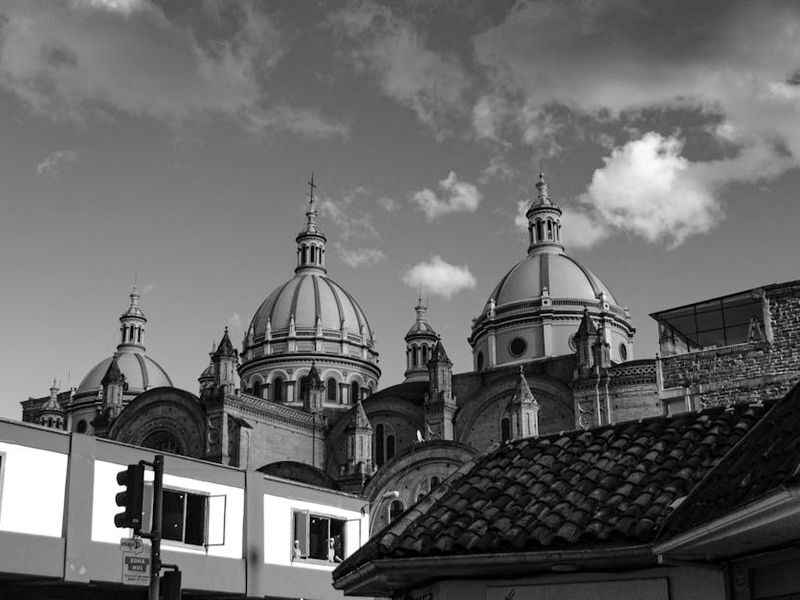
- Explore the UNESCO-listed historic center with its red-domed Catedral Nueva and cobblestone streets.
- Visit the Tomebamba River and riverside parks for leisurely strolls and excellent photo spots.
- Check out local workshops for the famed Toquilla straw hats (often called Panama hats) and other artisanal goods.
- Spend a morning at the local market to sample fresh fruit, cheese, and traditional eats like hornado (roast pork).
- Take a short trip to Cajas National Park for lakes, hiking and unique highland ecosystems—perfect if you love outdoor adventures.
Final tips for a smoother journey
To wrap up, keep these practical travel tips in mind:
- Book ahead for travel during holidays and festival periods; seats fill quickly.
- Carry small bills and coins for local purchases, tips and tolls.
- Use a mix of cash and cards — many places accept cards but smaller vendors may not.
- Monitor weather: mountain fog and rain can affect driving or visibility on scenic stops.
- For peace of mind, take travel insurance that covers transportation delays and medical needs at altitude.
Whether you fly, ride the bus or take the wheel, the trip from Quito to Cuenca is full of opportunities — from dramatic mountain views to friendly towns and rewarding cultural experiences. Plan according to your priorities and build in extra time for unexpected stops: that’s often when the best memories are made.