
Table of Contents
Why timing matters in Cuenca
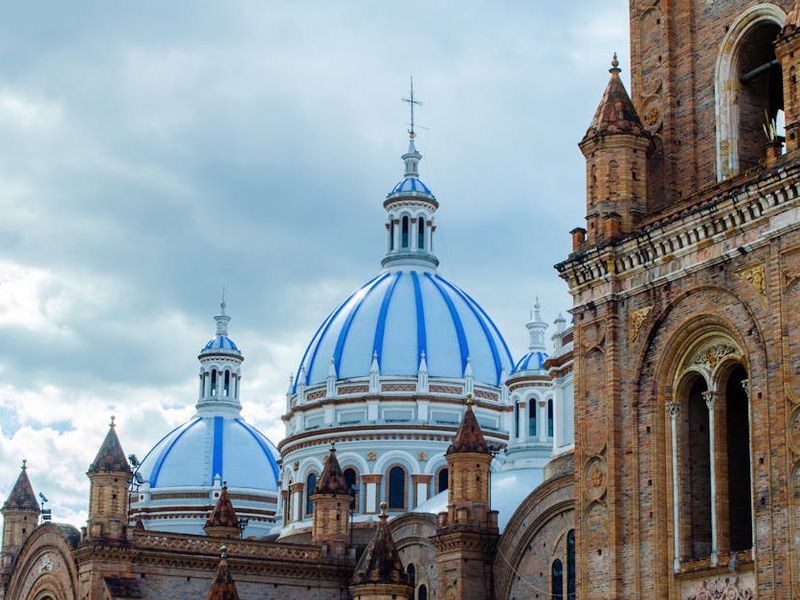
Cuenca’s charm — shady plazas, blue-domed cathedral, cobblestone streets and nearby highland parks — is available year-round. But when you visit will shape your experience: the weather, crowds, costs, festival atmosphere and day-trip options all vary through the year. This guide breaks down the highland seasons and gives practical advice so you can pick the right time for hiking, culture, photography or a relaxed expat-style stay.
Quick snapshot: seasons and what to expect
Cuenca sits at roughly 2,560 meters (about 8,400 feet), which moderates temperatures into a springlike range most of the time. Days are often mild and sunny; nights are cool. Broadly speaking:
- Dry season: June–September — clearer skies, less rain, best for hiking and photography.
- Wet season: October–May — more frequent showers (often afternoon), lusher landscapes, fewer tourists and lower prices.
- Shoulder months: April–May and September–October — a balance of decent weather and lighter crowds.
Choosing the best month depends on whether you prioritize outdoor adventures, festivals, or budget travel. Read on for a month-by-month breakdown and practical tips.
Month-by-month breakdown
January – Quiet, green and cool
January falls during the rainy season, so expect regular showers and misty mornings. The countryside is vibrant and green, and hotel rates are often lower after the holiday season. It’s a good month for museum-hopping in town and exploring nearby artisan markets (like Chordeleg and Gualaceo) when the downpours pause. Bring a reliable rain jacket and waterproof shoes.
February – Lush landscapes, fewer tourists
February can be some of the wettest days of the year, but that also means dramatic skies and waterfalls flowing at their best. If your priority is savings and fewer crowds, this is a smart choice. Some rural roads may be muddy after heavy rain, so allow extra travel time for day trips like Ingapirca or Cajas National Park.
March – Semana Santa and cultural activity
March often includes Semana Santa (Holy Week), one of Ecuador’s most observed religious periods. Cuenca hosts processions and cultural events that offer a deep look at local traditions. Expect more visitors during the Semana Santa week and higher prices for hotels, but the ceremonies and local crafts fairs can be a highlight for culture-focused travelers.
April – A great shoulder month
April marks the transition toward drier weather. Rain still happens, but there are more clear days. This is an excellent month for those who want pleasant conditions without the peak-season crowds. Birdwatchers will find increased activity as migratory species move through the highlands.
May – Crisp mornings, fewer crowds
May sees more blue skies and cooling nights. It’s an underrated month for photographers — foggy mornings lift into sharp, luminous afternoons. Day trips and national parks are accessible, and you can often find good hotel deals before the dry-season influx.
June – Start of the dry season; hiking prime
June brings reliably drier weather and is one of the best times for long hikes in Cajas National Park, birding, and exploring the highland páramo. Expect more visitors from Europe and North America as summer holidays begin, so book key accommodations early if you travel mid-month onward.
July – Peak outdoors season
July is typically the driest month. Clear mornings and calm afternoons make it ideal for trekking, mountain photography and exploring the surrounding highlands. Festival activity is steady and the artisan markets are lively, but prices and occupancy can climb.
August – Busy but vibrant
August remains dry with excellent visibility for scenic drives and lookout points. The advantage is consistent weather; the downside is busier streets and pricier lodgings, especially around national holidays and local school vacation weeks.
September – Best of both worlds
September is often considered the sweetest spot: the weather is still dry and pleasant, but crowds begin to taper off. Hotel and tour rates may ease, while trails remain accessible and the city is lively without feeling crowded.
October – Transition month, colorful skies
October introduces more frequent showers and dramatic cloudscapes. This is a photographer’s dream in a different way — stormy skies, dynamic lighting and saturated landscapes. It’s also a better month for budget-focused travelers who don’t mind occasional rain.
November – Festival energy (Fiestas de Cuenca)
Early November brings Fiestas de Cuenca (city anniversary events and public celebrations), parades, concerts and fireworks. The city buzzes with activity, and it’s an excellent time to experience local culture. Rainfall is still common in November, but the festivities can make up for wet afternoons.
December – Festive month and holiday crowds
December combines holiday travel with holiday markets and lights. Expect higher prices and more visitors, especially around Christmas and New Year. Weather can be mixed, but the city’s historic center is particularly atmospheric with seasonal decorations.
Practical packing list for Cuenca
Packing for Cuenca means dressing for variable highland weather and lots of walking. Essentials include:
- Layered clothing: lightweight base layers, a warm fleece or sweater, and a light down or insulated jacket for cold nights.
- Waterproof jacket and compact umbrella — afternoon showers are common outside the dry season.
- Sturdy walking shoes or hiking boots for cobblestones and trails.
- Sunscreen (high SPF) and a wide-brimmed hat — UV is strong at altitude even on cool days.
- Reusable water bottle, daypack, power adapter for 110V sockets (if coming from outside the Americas), and basic medications.
If you plan to hike in Cajas or high-altitude places, add thermal layers and a windproof shell. For photography bring extra batteries — the cold drains them fast at altitude.
Health and altitude considerations
At about 2,560 meters, most visitors experience only mild effects from altitude. Common symptoms can include slightly shortness of breath, mild headaches, and disrupted sleep for the first 24–48 hours. Practical precautions:
- Hydrate well before and during your first days in town.
- Avoid heavy exertion the first 24 hours; take walks at a gentle pace.
- Limit alcohol intake and heavy meals early on while you acclimatize.
- If you have cardiovascular or respiratory conditions, consult your doctor before travel.
Over-the-counter solutions like acetazolamide (Diamox) can be used by people prone to altitude sickness, but only under medical guidance.
Festivals and events: plan around the highlights
Cultural events are among Cuenca’s biggest draws. A few highlights to consider when scheduling your trip:
- Semana Santa (March/April): processions and religious art.
- Fiestas de Cuenca (early November): city anniversary with parades, concerts and fireworks.
- Christmas and New Year: atmospheric lights and markets.
If your goal is to soak up Cuenca’s living culture, align your visit with one of these times; if you prefer quieter exploration, choose the shoulder months.
Day trips from Cuenca and how weather affects them
Cuenca is a great base for varied day trips. Here’s how timing affects access:
- Cajas National Park: best in the dry season (June–September) when trails are less muddy and visibility is high. Still accessible year-round, but bring waterproof gear in wet months.
- Ingapirca (largest Inca ruins in Ecuador): generally reachable year-round; heavy rains can make rural roads slower in the wet season.
- Gualaceo and Chordeleg (artisan towns): lively markets are open all year, with the wet season offering greener scenery and fewer crowds.
- Birding trips: migratory and local species are present throughout the year, but shoulder months and the end of the wet season can be especially productive for bird activity.
Budget considerations and booking tips
Peak season (June–August and holiday weeks like Christmas and New Year) sees higher accommodation and tour prices. To save money and avoid sold-out hotels:
- Book at least 1–2 months ahead for high season; for holidays, secure lodging even earlier.
- Travel in shoulder months (April–May, September–October) for lower prices and decent weather.
- Consider longer stays — weekly or monthly apartment rentals offer much better value, especially for expat-style visits.
Practical travel tips for a smooth visit
Small practical choices will make your time in Cuenca more enjoyable:
- Arrive by air: Mariscal Lamar International Airport (CUE) is the fastest route to Cuenca; flights from Quito or Guayaquil take less than an hour. Buses to Cuenca are comfortable and cheaper — Quito to Cuenca is a long ride (about 8–9 hours), while Guayaquil is roughly 3.5–4.5 hours by road.
- Currency and payments: Ecuador uses the U.S. dollar. Small shops and markets may prefer cash; credit cards are accepted at hotels and many restaurants.
- Water: Tap water in Cuenca is treated, but newcomers sometimes prefer bottled water to avoid stomach upsets.
- Getting around: Cuenca is very walkable in the historical center. Taxis are inexpensive; use official yellow taxis or ride-hailing apps for convenience and safety.
- Safety: Cuenca is often considered one of Ecuador’s safer cities, but standard urban precautions against petty theft apply, especially at busy markets and bus stations.
Choosing the “best” time: match your priorities
There’s no single best month for everyone — it depends on what you want:
- If you prioritize hiking, clear skies and photography: aim for June–September.
- If you want festivals and cultural immersion: plan for Semana Santa (March/April) or Fiestas de Cuenca in early November.
- If you want fewer crowds and better deals: consider April–May or September–October.
- If you’re budget-conscious and don’t mind rain: January through May can offer the best prices and quiet streets.
Final tips to make the most of your trip
When planning, keep flexibility in mind. Weather in the highlands can change rapidly — a rainy morning often becomes a sunny afternoon. Schedule outdoor activities earlier in the day when possible, leave some time for spontaneous market visits and neighborhood strolls, and consider a multi-day trip to Cajas or Ingapirca to experience the highland landscape at its best. With a little planning and the right clothing, Cuenca is rewarding in every season: vibrant in festival months, spectacular in the dry season and quietly charming in the rainy months.
Whether you want to photograph the turquoise domes of the New Cathedral at golden hour, hike to glacial lakes in Cajas, or sip coffee in a shady plaza while watching local life unfold, choosing the right time to visit will align your trip with your priorities and help you fall in love with Cuenca’s unique highland rhythm.