
Table of Contents
Cuenca’s Best Kept Culinary Secrets: Where Locals Love to Eat
A Food Lover’s Paradise in the Andes
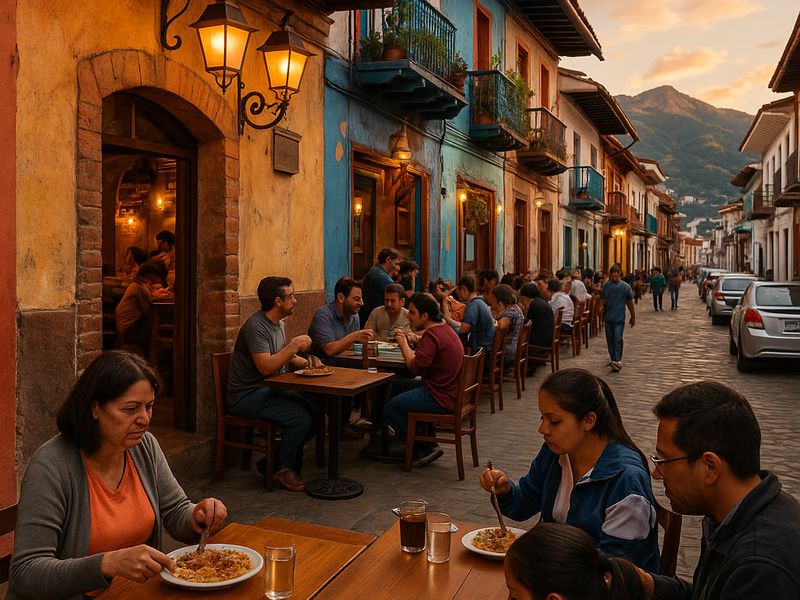
Cuenca’s culinary scene is a delicious intersection of Andean tradition, coastal influences and international creativity. Nestled at 2,560 meters in Ecuador’s southern highlands, this UNESCO-listed city offers a food culture shaped by mountain agriculture, riverine markets and generations of domestic cooking. While polished restaurants around Parque Calderón attract visitors, the real culinary DNA of Cuenca lives in neighborhood fondas, market stalls, bakery counters and family-run cafés where locals meet for their daily meals.
If you want to experience Cuenca like a resident, move beyond the main square for midday almuerzos, roam the early-morning mercados for fresh cheese and herbs, and take your coffee near the Tomebamba River while watching students and office workers pass by. The following guide highlights dishes, neighborhoods and local rituals that make Cuenca a food lover’s secret treasure chest—and gives practical tips to enjoy it safely, affordably and deliciously.
Traditional Ecuadorian Staples You Shouldn’t Miss
Cuenca’s cuisine celebrates highland ingredients—potatoes, corn, beans, fresh cheese—enhanced by coastal seafood and international seasoning. Many of the city’s most beloved dishes are comfort foods meant to fuel chilly mornings and communal family lunches. Below are the classic plates locals reliably order.
Mote Pillo: The Breakfast That Warms the Day
Mote pillo is a staple breakfast: hominy corn (mote) scrambled with eggs, onions, cilantro and sometimes achiote for a gentle orange hue. Served with a slice of queso fresco and avocado, it’s a filling start to the day that you’ll find in fondas and small cafeterias across town. Portions are generous and inexpensive—perfect for travelers on a budget.
Llapingachos with Hornado: A Sunday Ritual
Llapingachos are pan-fried potato patties often filled with cheese and served with a side salad. They pair beautifully with hornado, slow-roasted pork seasoned with garlic, cumin and orange that’s commonly sold by weight at market stands. The hornado-llapingacho combo is an iconic Sunday meal in Cuenca—rich, savory and designed to be shared. Markets and roadside stands serve a full plate for bargain prices.
Fritada and Cuy: Celebratory Classics
Fritada consists of deep-fried pork pieces accompanied by mote, potatoes and pickled onions—perfect for festivities and large gatherings. For adventurous eaters, cuy (roasted guinea pig) is a highland delicacy: roasted until crisp on the outside and traditionally eaten whole. If you try cuy, choose a reputable vendor or a restaurant experienced with proper preparation for the best texture and flavor.
Satisfying Soups: Yahuarlocro and Locro de Papa
Hearty soups are important in the highlands. Yahuarlocro, a traditional Cuencano soup, combines potatoes and meat with an intense broth sometimes enriched with blood—an authentic but bold flavor. Locro de papa is a more approachable, creamy potato-and-cheese soup, often garnished with avocado and aji amarillo. Caldo de gallina (chicken soup) is commonly enjoyed on cooler days or as a soothing remedy when you’re under the weather.
Ceviche and Coastal Flavors Far from the Sea
Despite being inland, Cuenca enjoys Ecuador’s coastal flavors. Shrimp ceviche, marinated in lime with red onion and cilantro, is lighter than many Andean mains. Encebollado (a hearty fish and yuca soup) also appears on some menus. Dishes like seco de chivo (goat stew) and seco de pollo feature slow-cooked meats with beer or chicha and rice, reflecting how Ecuadorian cuisine blends mountain and coastal traditions.
Market Life: Where Locals Eat, Shop, and Socialize
Markets are the heart of Cuenca’s food life. Mercado 10 de Agosto—often called the Mercado Central—buzzes with vendors selling fresh produce, cheeses, herbs and full almuerzos served at long, communal tables. Visiting this market is an essential introduction to how residents shop and eat daily.
At Mercado 10 de Agosto you can order an almuerzo—a set-price lunch that typically includes a soup, a main dish (often today’s roast or stew), a side and a drink (fresh jugos or agua de panela). The value is exceptional; expect to pay $2.50–$4 for a home-style plate. Practical market tips: arrive before noon for the best selection, carry small bills and coins, and keep hand sanitizer and napkins handy. Most stalls are cash-only, and the best vendors have a steady stream of customers.
Smaller neighborhood mercados and weekly farmers’ markets are perfect for finding regional cheeses, tubers and panela (unrefined cane sugar) used in many desserts and drinks. Ask vendors about storage—many will tell you how to keep cheeses fresh in a rental fridge or how long bread will last at room temperature. If you plan to transport fresh products home, bring a cooler or ask for vacuum-sealed options when available.
Craft Coffee Culture: From Bean to Cup
Cuenca has embraced Ecuador’s growing specialty coffee movement. Local roasters are focusing on single-origin beans from Loja, Zamora and other southern provinces, resulting in a lively café culture favored by students, remote workers and coffee lovers. Look for small-batch cafes advertising single-origin Ecuadorian brews and pour-over options.
A specialty espresso or pour-over typically costs $1.50–$3—excellent value compared to larger cities. Many cafés sell bags of roasted beans, letting you bring home a taste of the region. Don’t be afraid to ask baristas for tasting notes or for a cupping session; small cafés often welcome questions about processing methods, altitudes and flavor profiles.
International and Fusion Dining: Where Locals and Expats Converge
Cuenca’s dining options have grown to include Italian trattorias, Thai kitchens, sushi spots and Middle Eastern eateries. Many are run by expats who blend authentic techniques with local ingredients. You’ll find a concentration of international restaurants around Parque Calderón, along the riverside and in Las Peñas (El Barranco). Expect mid-range entrées to cost $8–$15, with tasting menus and fine dining still modest compared to major world cities.
Fusion dishes are increasingly creative: ceviches with tropical Andean fruits, pasta topped with hornado-inspired ragù and pizzas garnished with local quesillo. If you’re dining in a mixed expat-local spot, try asking for the house specialty—chefs in Cuenca are often proud of menus that use seasonal Ecuadorian products.
Street Food and Snacks: Bite-Size Local Favorites
Street food in Cuenca is portable, affordable and full of flavor. Typical vendors offer empanadas de viento (puffed, sugar-dusted cheese empanadas), humitas (steamed corn cakes wrapped in husks), and fresh jugos made with fruits like mora (Andean blackberry) or naranjilla. Evening stalls near Parque de la Madre and along the Tomebamba riverfront come alive after 6pm with locals grabbing snacks after work.
Prices are extremely wallet-friendly: empanadas and humitas often cost between $0.30 and $1, and a freshly made jugo is usually $0.50–$1.50. When sampling street food, choose stalls with high turnover—busy vendors mean fresher ingredients and faster cooking. If you have a sensitive stomach, choose fully cooked items and avoid raw garnishes unless they are washed with bottled water.
Bakeries and Sweet Traditions
Cuenca’s panaderías are an essential part of daily life. Bite into a bizcocho (crisp cheese biscuit), pan de yuca (chewy cassava-and-cheese bread) or a mantecada with your morning coffee. Bakeries often display dulce de higo (fig preserves), cuajada (fresh curd cheese) and other small pastries ideal for breakfast or an afternoon snack.
Don’t miss helado de paila—traditional sorbets churned by hand in a large metal pan with ice and salt. Flavors like mora, guanábana or naranjilla are common and deeply refreshing. Seasonal treats include colada morada and guaguas de pan around Day of the Dead in late October and early November—colada morada is a spiced, purple corn-and-fruit drink often served with sweet, bread-shaped guaguas (little babies of bread).
Practical Tips for Dining Like a Local
- Timing matters: Breakfast runs from early morning through 10am, almuerzo peaks from 12pm–2pm, and many local eateries close mid-afternoon then reopen for dinner around 6–7pm. Markets are busiest early morning.
- Cash is king: Carry small bills and coins—market stalls and traditional fondas rarely take cards. ATMs are accessible, but withdrawing enough cash for a day’s browsing saves time.
- Almuerzo etiquette: Order el almuerzo or menú del día around noon for the best value. It usually includes soup, a main, a side and a drink.
- Tipping: Service may be included in restaurants; leaving 5–10% for excellent service is appreciated. Tipping is not customary at market stalls or street vendors.
- Food safety: Drink bottled or filtered water if you’re sensitive to local water. Eat at busy stalls, choose fully cooked foods, and carry hand sanitizer and wet wipes for market visits.
- Dietary needs: Vegetarian and vegan options are becoming more common, but many traditional dishes use lard, broths or cheese. Explain dietary restrictions clearly in Spanish—phrases like “sin carne” (no meat), “sin caldo de pollo” (no chicken broth) or “sin lácteos” (no dairy) are helpful.
- Altitude awareness: At 2,560m, Cuenca’s altitude can affect appetite and digestion. Stay hydrated, pace rich foods across the day, and rest if you feel dizzy after big meals.
- Bring reusable bags: Many markets now favor reusable bags; bring one for produce and packaged goods. If buying cheese or meat, ask for extra wrapping to keep items fresh while you continue browsing.
Where to Learn More: Tours, Classes and Hands-On Experiences
For a deeper dive into Cuenca’s food culture, book a market tour or a cooking class. Small operators and local chefs offer half-day market tours starting at Mercado 10 de Agosto, sampling cheeses, jugos and almuerzos while explaining Ecuadorian ingredients. Cooking classes typically include a market visit followed by hands-on preparation of dishes like llapingachos, ceviche or hornado in a family kitchen or small culinary studio.
When choosing a tour or class, prioritize small groups (6–12 people) and instructors who source ingredients locally. These experiences teach recipes, preserve tradition and support family-run vendors. Expect to pay $25–$60 for a reputable tour or class depending on length and inclusions.
Neighborhoods and Exactly Where Locals Eat
Knowing which neighborhoods locals frequent makes it easier to find authentic eats. Here are some areas and what they’re known for:
- Centro Histórico (Parque Calderón area): Tourist-friendly but full of bakeries and cafés used by locals for morning coffee and pastries. Side streets hide family restaurants serving traditional plates.
- El Mercado / 10 de Agosto: The most authentic almuerzo experience, plus stalls selling cheeses, panela and pickles.
- Las Peñas (El Barranco): A creative, artsy quarter by the Tomebamba River with cafés, galleries and experimental eateries—perfect for afternoon coffee and fusion snacks.
- Parque de la Madre and riverside promenades: Evening street-food scene where locals stroll and snack. Great for empanadas and helado de paila.
- Neighborhood fondas in residential barrios: Ask taxi drivers, shopkeepers or your host for a nearby fonda—locals will often point you to the best-value, long-standing kitchens.
Final Tips: How to Start Your Cuenca Food Adventure
Begin your culinary exploration with a morning at Mercado 10 de Agosto—browse the cheeses, taste panela sweets and enjoy a humita or almuerzo. Walk along the Tomebamba for an afternoon coffee, then head to Las Peñas for sunset and street snacks. Save a Sunday for hornado and llapingachos at a busy market or roadside stand where locals gather.
Cuenca’s culinary secrets aren’t locked behind reservations or high prices. They thrive on simple plates beside market aisles, prepared by families preserving recipes across generations. With curiosity, a few Spanish phrases, and an appetite for local textures and flavors, you’ll uncover dishes and neighborhoods that keep Cuencanos coming back. Buen provecho—and enjoy the rich, layered tastes of this Andean city.