
Table of Contents
Why spend a week in Cuenca?
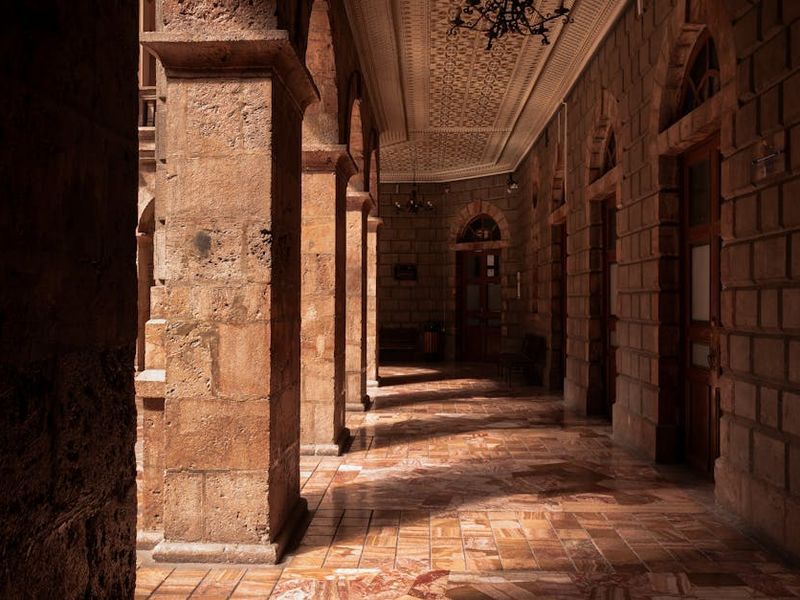
Cuenca, Ecuador’s charming colonial jewel, rewards a leisurely week with a mix of compact city life, nearby Andean landscapes, rich indigenous crafts and relaxed food culture. With UNESCO-listed architecture, riverfront promenades and easy access to mountain adventures, seven days gives you time to absorb the city’s rhythms instead of rushing through highlights.
Quick facts and travel practicalities
Before we get into the day-by-day plan, here are essentials to know:
- Elevation: about 2,560 meters (8,400 ft). Take it easy the first day to adjust to the altitude.
- Currency: United States Dollar (USD).
- Language: Spanish is dominant; English is common in tourist areas but learning a few phrases helps.
- Airport: Mariscal La Mar (CUZ) — roughly 20–30 minutes from the historic center by taxi.
- Weather: temperate year-round. Days are often sunny and cool; nights can be chilly. Pack layers and a light rain jacket.
- Getting around: the historic center is extremely walkable. Short taxi rides cost a few dollars. Local buses are inexpensive for longer trips.
How to use this itinerary
This plan balances cultural exploration, culinary discovery and day trips into the highlands. Swap days based on weather or your energy level: if rain threatens a park day, visit museums instead. Reserve guided trips to El Cajas and Ingapirca a day or two ahead during high season.
Day 1 — Arrival, orientation and the historic heart
Spend your first day strolling the colonial core to get a feel for Cuenca’s atmosphere and altitude. Start at Plaza Calderón, the city’s main square flanked by cafés and the impressive Catedral Nueva with its sky-blue domes. Climb the cathedral tower for panoramic views of the old town and the rising Andes in the distance.
Walk along the river Tomebamba and cross historic bridges to appreciate the narrow cobbled alleys and balconies overflowing with flowers. Explore Calle Larga, the lively pedestrian street, for coffee, pastries and your first taste of Ecuadorian cuisine—try llapingachos (potato cakes) or a hearty hornado (roast pork).
Evening: take it slow. A rooftop bar or a quiet riverside café is perfect for soaking in the sunset and planning the week ahead.
Day 2 — Museums, markets and artisan workshops
Dedicate this day to museums and local crafts. Start at Museo Pumapungo to see archaeological displays, reconstructed indigenous spaces and the on-site ethnobotanical garden. Nearby, the Old Cathedral (Catedral Vieja) often hosts exhibits and offers insight into sacred art and local history.
From there, head to the central market for a sensory feast: colorful produce, fresh cheese, hot tamales and Ecuadorian coffee. Ask vendors about regional specialties—market meals are both authentic and budget-friendly.
In the afternoon, explore artisan neighborhoods and galleries. Cuenca is famous for Panama hats (actually made in Ecuador) and jewelry from nearby Chordeleg. Many shops and small studios line streets around the historic center where you can watch artisans at work or book a short workshop.
Day 3 — Turi viewpoint and a food-focused afternoon
A short taxi ride brings you to Mirador de Turi, a classic viewpoint overlooking the valley and cityscape. It’s a great spot for photographs and a sense of how the city sits in the Andean bowl. Browse nearby stalls selling local crafts and snacks.
Return to town for a relaxed food tour: sample street food, chocolate from local chocolaterías and visit a small specialty coffee shop to compare local bean varieties. If you enjoy hands-on experiences, look for a chocolate-making class or a market-to-table cooking session that focuses on Ecuadorian ingredients.
Day 4 — Day trip to Parque Nacional Cajas
One of the best day trips from Cuenca is El Cajas National Park, a dramatic páramo landscape of lakes, wind-swept grasslands and glacial-carved valleys. It’s about a 30–60 minute drive depending on where you enter. Book a guided hike to learn about the fragile ecosystem and to find the best viewpoints and lagunas.
Practical tips: bring warm layers, good hiking shoes and water. Weather can change rapidly; a waterproof shell and sunscreen are recommended. Expect many picturesque, easy-to-moderate trails; for more ambitious hikers, ask a guide about higher ridgelines.
Day 5 — Indigenous markets and crafts: Gualaceo & Chordeleg
Plan a half-day or full-day excursion to the towns of Gualaceo and Chordeleg, both within an hour of Cuenca. Gualaceo is known for its busy outdoor markets and traditional textiles; Chordeleg is famous for filigree silver jewelry. Spend the morning wandering stalls, bargaining respectfully and learning about regional craft traditions.
Many visitors combine these towns with a stop in nearby small villages to see local weaving and to taste regional specialties like mote and fresh cheese. A guided trip or a private driver will let you move between towns efficiently and visit off-the-beaten-path workshops.
Day 6 — Ingapirca ruins and Cañar Valley
Take a longer day trip to Ingapirca, Ecuador’s largest Inca archaeological site, set in the Cañar valley. The drive can take around 1.5–2 hours each way. Ingapirca’s Sun Temple and stone constructions provide a tangible link to pre-Columbian Andean life and are quieter than many tourist sites.
Combine your visit with a stop in the town of Cañar to see traditional markets or to visit a hacienda for a late lunch. If you’re interested in photography, the highland plains and weaving communities on the drive offer excellent opportunities.
Day 7 — Leisurely museums, hidden corners and last-minute shopping
Use your final day to revisit a favorite café, buy souvenirs and explore quieter corners of the city: search for small galleries in the El Barrio Las Peñas (an artistic hillside neighborhood), stroll along lesser-known riverside paths, or visit a local gallery for last-minute prints or textiles.
If you have a late flight, treat yourself to a relaxing afternoon at a boutique spa or a small vineyard/hacienda experience outside the city. Otherwise, a sunset walk along the Tomebamba and a farewell dinner at a restaurant that features seasonal Ecuadorian produce will end your trip on a high note.
Where to stay: neighborhoods and lodging tips
The best base for first-time visitors is the historic center near Plaza Calderón. You’ll be within walking distance of major sights, restaurants and nightlife. For quieter stays, look for accommodations on the southern and eastern edges of the old town or in residential neighborhoods a short taxi ride away.
Consider staying in a small guesthouse or boutique hotel to enjoy personal recommendations and often included breakfast. Hosts can point you to lesser-known galleries or local vendors and help arrange day-trips and taxis.
Practical tips — money, safety and local customs
- Safety: Cuenca is considered one of Ecuador’s safest cities, but petty theft exists. Keep valuables secure, avoid isolated areas at night and use official taxis or ride-hailing when returning late.
- Tipping: many restaurants include a 10% service charge; if not, 10% is appreciated. For good tours and guides, a tip is customary.
- Cash and cards: ATMs are widely available; carry small bills for markets and taxis. Credit cards are accepted at many restaurants and boutiques.
- Health: due to the altitude, avoid vigorous exertion on your first day. Stay hydrated and avoid heavy alcohol until you’ve acclimatized.
Packing checklist for a week in Cuenca
- Layered clothing (light sweater, fleece, waterproof jacket)
- Comfortable walking shoes for cobbles and trails
- Sunscreen, sunglasses and hat (Andean sun is strong)
- Reusable water bottle (filtered water is widely available)
- Portable charger and international adapter (Ecuador uses type A/B, 110V)
- Copies of important documents, and a small daypack for excursions
Food and drink highlights not to miss
Cuenca’s food scene blends Andean staples with contemporary influences. Look for:
- Hornado: slow-roasted pork served with mote and plantains.
- Llapingachos: potato patties often served with eggs, avocado and peanut sauce.
- Cuy: a traditional specialty (roasted guinea pig) available at specialty restaurants.
- Local chocolate and coffee: sample single-origin chocolates and visit a specialty coffee shop to taste highland beans.
- Fresh juices and market snacks: try fruit juices and small dishes at the central market for authentic, cheap bites.
Alternative activities and slower-day options
Not every day has to be full of sightseeing. Consider these relaxed alternatives:
- Take a Spanish lesson or a short art workshop with local artists.
- Book a photography walking tour to capture the city’s light and architecture.
- Spend a half-day reading at a café and people-watching on Calle Larga.
- Volunteer for a morning in a community project or cultural center to meet locals and learn about daily life.
Final notes — making the most of your week
Cuenca rewards curiosity. Walk slowly, talk to vendors, and follow the river to discover unexpected plazas and views. A balanced week blends cultural neighborhoods, nature’s highland drama and the kindness of local people. With a flexible plan and an open schedule, your seven days in Cuenca can feel like getting to know an old friend.
Buen viaje — and enjoy the slow, layered pleasures of this beautiful Andean city.