
Table of Contents
Why Cuenca is Perfect for Budget Travelers
Cuenca, Ecuador’s UNESCO-listed jewel, delivers colonial charm, Andean scenery and a lively arts scene without requiring a big budget. The compact historic center, tree-lined riverbanks and welcoming plazas make it ideal for travelers who want to explore sidewalks, museums and neighborhoods on foot. This guide collects practical, free activities and smart tips to help you experience Cuenca deeply while spending little or nothing.
How to Use This Guide
The list below is organized by type of experience: walking and viewpoints, markets and neighborhoods, cultural and community events, nature and outdoor escapes, and practical budget tips. Some attractions occasionally charge for special exhibits or offer paid guided options; whenever that happens we note it. For the most part, everything here can be enjoyed for free.
Historic Center: Walk, Wander, and Window-Shop
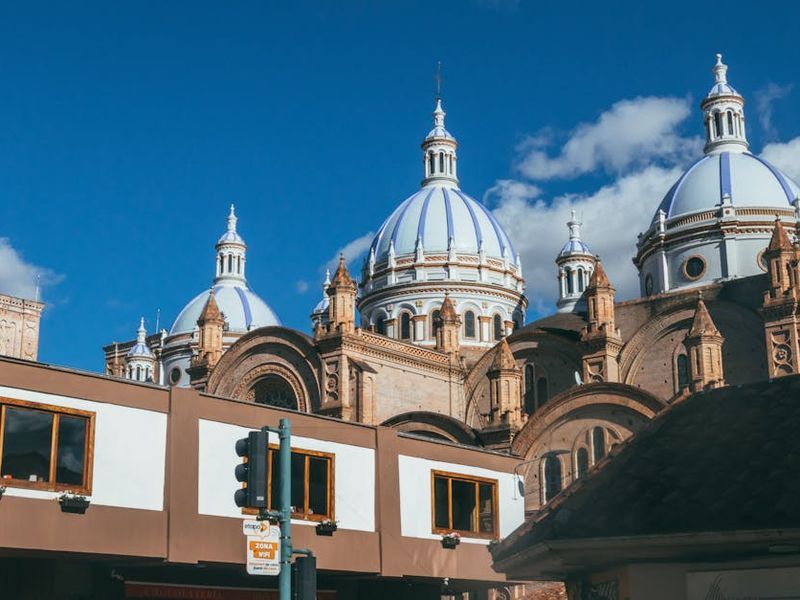
Start in the heart of Cuenca at the Plaza Calderón, where the neoclassical façade of the New Cathedral (Catedral Nueva) and the old cathedral form an impressive backdrop. The plaza is a perfect launching point for a self-guided walk through the UNESCO historic district: cobblestone streets, ornate balconies draped with geraniums, and small artisan shops.
Practical tip: Bring a printed or offline map (or download one on Google Maps) and allow two to three hours for an unhurried loop. Look up to admire carved wooden doors and pick a side street to discover quiet courtyards and local bakeries.
Self-Guided Walking Routes
- Plaza Calderón to Calle Larga: Stroll along Calle Larga for antique shops and cafés.
- Río Tomebamba Promenade: Walk along the river to see bridges, manicured parks and locals exercising.
- Barranco district loop: Cross the river and descend into the Barranco for artwork, indie galleries and steep viewpoints.
Río Tomebamba: Riverside Paths and Bridges
The paseo along the Río Tomebamba is one of Cuenca’s most relaxing free attractions. Stone embankments, flowerbeds and a series of colorful pedestrian bridges make this area ideal for a morning jog, a picnic, or people-watching with a cup of coffee. The changing light along the river produces excellent photo opportunities at sunrise and in the golden hour before sunset.
Insider tip: If you’re on a very tight budget, buy a sandwich from a corner panadería and enjoy it on a bench by the river while watching families and students pass by.
Miradores (Viewpoints): Free Panoramas of the City
Cuenca’s hills provide several viewpoints that require nothing more than a short climb or a cheap local bus ride. These miradores reward you with panoramic views of the city’s red-tiled roofs, domes and surrounding mountains.
- Mirador de Turi: A popular vantage point with sweeping views of the city. Many visitors combine a visit here with exploring the neighborhood’s handicraft stalls.
- Barranco viewpoints: Descend into the Barranco district and you’ll find multiple terraces and small parks overlooking the river gorge.
Note: Some miradores are reached by a steep walk. Wear comfortable shoes and bring sunscreen or a rain layer depending on the season.
Markets and Artisan Fairs: Browse Without Buying
Cuenca’s markets are sensory rich and perfect for budget-conscious travelers who like to window-shop. Markets are living museums of local life — fruit sellers, cheese stalls and artisans who demonstrate traditional crafts.
- Mercado 10 de Agosto: A bustling local market where you can walk through displays of produce and baked goods. It’s lively in the morning and great for people-watching.
- Mercado de Artesanías: Located near the center, this spot showcases woven textiles, pottery and jewelry. Browsing is free and vendors are usually happy to chat about techniques and materials.
- Semana market days and mini-fairs: Keep an eye on noticeboards or ask at your hostel for spontaneous craft fairs or farmers’ markets that pop up on weekends.
Budget note: If you plan to sample anything at markets, bring small change. Tasting locally prepared street food is inexpensive and stretches a tight budget better than a formal meal.
Free Cultural Experiences: Galleries, Churches, and Public Concerts
Cuenca has a vibrant artistic life and many cultural offerings are free. Churches, in particular, are not just religious sites — they are architectural and historical treasures.
- Cathedral exteriors and plazas: Even if you opt not to enter paid museum sections, the cathedral facades, stained glass (viewable from outside), and the surrounding plazas are rewarding to explore.
- Local art galleries: Small galleries around the historic center often have free admission and rotating exhibitions of contemporary Ecuadorian art.
- Plaza concerts and street performers: On weekends and holidays you’ll often find free music and dance performances in public squares — perfect for an evening outing without spending money.
Pro tip: Cultural centers sometimes offer free talks, movie nights or language-exchange meetups — ask at your hostel or at the student union of the Universidad de Cuenca for schedules.
Community Events and Festivals
If your timing is right, Cuenca’s calendar includes numerous free events. The city celebrates religious processions, national holidays and art festivals that fill plazas and streets with live music, parades and artisan booths.
How to find them: Check local bulletin boards, Facebook community groups, or ask at the tourist information office near the plaza. Attending a festival is a wonderful way to experience local culture at no cost.
Parks, Gardens and Green Spaces
Cuenca’s parks are more than green lungs — they’re community hubs where families gather, elders play chess, and young people practice music. Spending a lazy afternoon in a park is a budget traveler’s delight.
- Parque Calderón: The main plaza is a social magnet; you’ll find benches, pigeons and a constant flow of locals and visitors.
- Parque de la Madre and Parque San Blas: Smaller parks with play areas and shaded benches are ideal for a quiet break.
- Parque de las Conceptas and nearby plazas: These squares are surrounded by cafés and craft shops and are less crowded than the main plaza.
Pack a small picnic and make an afternoon of it — bringing your own snacks saves money and lets you linger longer.
Street Art and Murals: Outdoor Galleries
Cuenca’s neighborhoods, especially the Barranco and parts of El Centro, feature colorful murals and street art that tell stories about the city’s culture and history. Walking a mural route is a free, modern-art-focused way to experience local creativity.
Tip: Ask artistic shop owners for suggestions — many are eager to point out lesser-known pieces and the stories behind them.
Photographic Walks: Capture the City Without Paying a Dime
Turn your phone or camera into a tool for exploration. Cuenca is immensely photogenic: domes, balconies, market stalls and river reflections provide countless subjects. Consider doing themed walks—architecture, food stalls, balconies, or doors—and compare shots at the end of the day.
Safety note: Keep your camera gear secure in crowded areas and tuck valuables away when photographing market crowds.
Nature Near the City: Free Ways to Experience the Andes
While guided tours into the high paramos (like Cajas National Park) often require fees, there are low-cost or free nature options close to Cuenca. Hike local trails around the city edges, explore neighborhood greenbelts, or take a bus to small neighboring villages for scenic walks.
Suggested approach: Ask locals for nearby public trails—residents often know short, scenic paths that are safe and free to explore.
Budget-Friendly Learning: Language Exchanges and Free Classes
One of the best free travel experiences is to practice Spanish with locals. Many cafés and cultural centers host language-exchange meetups where you can trade English for Spanish conversation. These are usually free or run on a donation basis.
Where to find them: Bulletin boards at hostels, university noticeboards, and Facebook groups for Cuenca expats often list scheduled exchanges and meetups.
Student Life and University Areas
The Universidad de Cuenca contributes youthful energy to the city. Walk around campus areas to catch student art exhibitions, public lectures and music performances—many of which are open to the public without charge.
Practical hint: University cafés are good places to meet students and discover fringe cultural events or volunteer opportunities that let you participate in local life without spending money.
Free Walking Tours and Tip-Based Tours
Cuenca has several companies and volunteer groups offering free or tip-based walking tours in English and Spanish. These walks cover history, architecture and daily life. While technically free, tipping guides is standard if you enjoyed the tour.
Advice: Book ahead during high season; meeting points are usually near the main plaza. If you prefer a private experience, download a free audio guide or create your own route using online resources.
Practical Money-Saving Tips for Cuenca
- Use public buses: Short bus rides are inexpensive and allow you to reach viewpoints and neighborhoods without splurging on taxis.
- Eat like a local: Look for menú del día (set lunch menus) at inexpensive neighborhood spots for cheap meals; street food is also economical.
- Stay in hostels or budget guesthouses: Many hostels organize free activities and community dinners—perfect for meeting other travelers.
- Carry small bills and change: Market vendors and bus drivers may not have change for large bills.
- Ask locals: Tips from residents often lead to free concerts, neighborhood fairs or hidden viewpoints that don’t appear in guidebooks.
Safety, Respect and Cultural Etiquette
Cuenca is generally safe for travelers, but normal precautions apply. Keep valuables discreet, be aware of pickpockets in crowded areas, and avoid poorly lit streets at night. Respect local customs: dress modestly when visiting churches and remove hats during religious observances. A few polite Spanish phrases go a long way in interactions.
Sample 3-Day Free-Itinerary for Budget Travelers
Day 1: Historic Center walkthrough—Plaza Calderón, Calle Larga, Cathedral exteriors, and a riverside picnic along Río Tomebamba in the evening.
Day 2: Morning market visit (Mercado 10 de Agosto), Barranco district exploration with mural and gallery hopping, and a sunset climb to a local mirador.
Day 3: University-area cultural hunt—free exhibitions or lectures, language exchange meetup in the afternoon, and a night of people-watching at Plaza Calderón for a live music performance or street entertainment.
Final Thoughts: How to Make the Most of Cuenca for Free
Cuenca rewards curiosity. Walking slowly, talking to shopkeepers and following where the locals go will reveal free delights that a hurried visitor misses. Whether you’re admiring colonial skylines from a mirador, sampling cheap snacks at the market, or losing hours along the Río Tomebamba, Cuenca is a city where low-cost days feel rich in experience. Keep this guide handy, but be flexible—some of the best memories come from accidental discoveries and conversations with locals.
Enjoy exploring Cuenca on a shoestring—plenty of beauty, culture and hospitality await without costing a fortune.