
Table of Contents
Why the Southern Highlands Deserve a Spot on Your Ecuador Map
The southern highlands of Ecuador blend colonial charm, mountain lakes, live music, and slow-living valleys. Cuenca’s UNESCO-listed center, Loja’s cultural energy, and Vilcabamba’s mellow longevity reputation make a compact region that’s easy to explore and surprisingly friendly for long stays. This guide will help you move beyond postcards to plan travel, day trips, and an extended stay with practical local tips.
Quick Orientation: Altitude, Climate, and Distances
The three towns sit at different elevations and offer distinct climates that can change over a short drive. Cuenca sits at about 2,560 meters (8,400 feet), with cool days and chilly nights. Loja is lower, roughly 2,000–2,100 meters, often a bit warmer and drier. Vilcabamba drops to around 1,500–1,600 meters, giving it a subtropical, spring-like climate that attracts retirees and wellness seekers.
The region is compact: expect 2–4 hours by road between these destinations depending on stops and traffic. The roads are largely paved and scenically rewarding but can be winding in mountain stretches—allow for extra travel time when planning your itinerary.
How to Get Around
By Air
Cuenca has a regional airport with regular flights to Quito and Guayaquil, which is handy for connecting travel. Loja has smaller, less frequent flights; Vilcabamba doesn’t have a commercial airport.
By Bus and Shuttle
Intercity buses connect all three towns with multiple departures daily. Main bus terminals in each city are well served and a cost-efficient choice. Private shuttle companies and tourist transfers are slightly pricier but faster and more comfortable for door-to-door service—good if you’re carrying luggage or traveling in a group.
Local Transport
Within towns, taxis are plentiful and inexpensive. In Cuenca you’ll find both metered taxis and app-based options; always confirm the fare or ask the driver to use the meter. Walking is the best way to enjoy historic centers, while local buses and colectivos (shared vans) are the budget choice for reaching suburbs and nearby attractions.
Cuenca: A Detailed Look for Visitors and Prospective Expats
Cuenca is the region’s cultural hub. Its historic center is a UNESCO World Heritage site framed by rivers and bridges, with a lively café scene and artisan markets. The city combines colonial architecture and modern amenities, making it the most expat-friendly base in the southern highlands.
Must-See Places
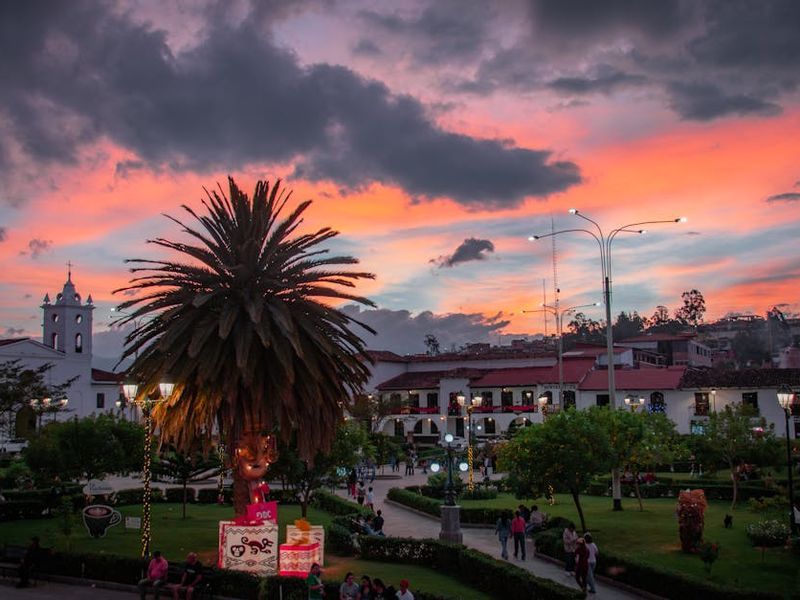
Start at the central square to take in the cathedral’s impressive domes and explore winding streets lined with museums, churches, and independent galleries. Don’t miss the riverside walks that trace old irrigation channels—perfect for morning strolls. Nearby, Cajas National Park is a short drive away and offers dramatic highland lakes and hiking trails for day trips.
Neighborhoods to Consider
If you’re staying short-term, the historic center is convenient and lively. For longer stays, neighborhoods just outside the center—quiet residential streets with parks, markets and good access to healthcare—offer a calmer rhythm and lower rents. Many expats cite the ease of walking, good restaurants, and cultural programming as major draws.
Healthcare, Services, and Practicalities
Cuenca has a full range of medical services from public hospitals to private clinics and dental practices. Pharmacies and specialist services are plentiful. Banks, international ATMs, and reliable internet are widely available. Spanish is useful—English is spoken in many tourist-facing businesses but not universally—so some Spanish study will smooth daily life.
Loja: Ecuador’s Musical City and Gateway to Podocarpus
Loja offers a quieter, more local experience than Cuenca. Known for its music, arts, and educational institutions, Loja is a good stop for visitors looking to dive into regional culture and for travelers wanting to access the nearby Podocarpus National Park.
What to Do in Loja
Explore municipal plazas, attend a local music performance, and sample Loja’s markets for regional foods and crafts. Use Loja as your base for nature outings—Podocarpus is renowned for biodiversity and cloud forest hikes that showcase orchids and birdlife not easily seen elsewhere.
Practical Tips
Loja is compact and easy to navigate on foot. Services are slightly less international than in Cuenca, so plan ahead for any specialty medical needs. If you intend to volunteer, study music, or immerse yourself in rural culture, Loja offers strong community connections.
Vilcabamba: Longevity Valley and Low-Altitude Relaxation
Vilcabamba attracts people looking for outdoor living, yoga, and a temperate climate with easy access to rivers and hills. The valley’s reputation for long-lived residents has drawn retirees and wellness seekers from around the world.
Activities and Atmosphere
Expect a slow pace: morning hikes, afternoon café time, and evenings with low-key socializing. Local trails and waterfalls are the main attractions; you’ll also find small markets and artisan food stalls. Health-focused services like massage, natural therapies, and yoga studios are common thanks to the expat wellness scene.
Who Should Visit or Move Here?
Vilcabamba suits people who prefer a rural, small-town lifestyle with a strong emphasis on outdoor activities. It’s a good match for retirees, remote workers who don’t need city-level amenities every day, and travelers chasing tranquility and nature rather than museums and nightlife.
Food, Markets, and Local Specialties
Across the southern highlands you can sample Ecuadorian staples: roasted meats, hearty soups, local cheeses, and fresh fruit. Cuenca has vibrant cafes and bakeries serving pan de yuca and local coffee; Loja offers regional dishes with unique spice blends; Vilcabamba’s eateries skew health-conscious with fresh juices and vegetarian options.
Markets are a great way to taste local life—shop for fresh produce, flowers, and artisan handicrafts. Bargaining is common in markets, and learning a few Spanish phrases will go a long way.
Safety, Health and Practical Travel Tips
Safety
The southern highlands are generally safe for tourists, but pickpocketing and petty theft occur in busy areas. Use common-sense precautions: secure bags, avoid flashing valuables, and get a taxi at night rather than walking long distances alone in unfamiliar neighborhoods.
Altitude and Health
Cuenca and Loja sit at altitudes where some visitors experience mild altitude effects—headache, shortness of breath, or trouble sleeping. Take it easy for the first 48 hours: hydrate, avoid heavy exertion, and sleep well. Vilcabamba’s lower elevation makes it a good place to acclimatize if you’re sensitive to altitude.
Connectivity and Money
Internet in Cuenca and many parts of Loja is reliable; Vilcabamba has decent service in town but may be spotty in more remote spots. Mobile providers operate across the region; purchasing a local SIM is inexpensive and practical. ATMs are common in Cuenca and Loja; carry some cash when visiting smaller villages.
Visas, Residency, and Living Costs
Tourist visas for Ecuador commonly allow 90 days for many nationalities. If you’re considering a longer stay, explore residency options such as pensionado visas for retirees, rentista options, work or investor visas—requirements and thresholds change, so consult official Ecuadorian immigration resources or a legal advisor for up-to-date details.
Budgeting: living costs vary. A long-term renter can find modest one-bedroom apartments for reasonable monthly rents, while comfortable mid-range living for a couple typically requires a larger budget. Prices in Vilcabamba tend to be lower than in Cuenca’s most desirable neighborhoods; Loja can be more economical but with fewer expat services.
Suggested 7-Day Itinerary
Day 1–3: Base in Cuenca. Spend a morning in the historic center, visit a museum or two, and plan a half-day trip to Cajas National Park for lakes and short hikes. Enjoy evenings in local restaurants and markets.
Day 4–5: Travel to Loja. Explore plazas and music venues and take a day excursion into Podocarpus for cloud forest viewing and birdwatching. Sample local dishes and attend a small concert if schedules align.
Day 6–7: Move to Vilcabamba. Relax with gentle hikes, river swims where permitted, and wellness activities. Use this time to slow down, meet locals and expats, and enjoy the valley climate before returning to Cuenca or onward travel.
Final Practical Checklist Before You Go
- Pack layers: sun, rain, and cool nights require flexibility.
- Bring sunscreen and a basic first-aid kit; pharmacies are widely available but having essentials helps.
- Carry a photocopy of your passport and important documents; leave digital copies with a trusted contact.
- Learn key Spanish phrases for markets, taxis, and basic interactions—locals appreciate the effort.
- If you plan to drive, check insurance rules, local driving norms, and rental policies for mountainous roads.
Conclusion: Mix and Match the Highlands
From Cuenca’s colonial streets and modern conveniences to Loja’s music-filled plazas and Vilcabamba’s restorative valleys, Ecuador’s southern highlands are rich in contrasts and welcoming to both short-term travelers and people contemplating a longer stay. Whether you’re chasing adventure in highland parks, settling into a slower pace, or scouting a new retirement spot, the trio of Cuenca, Loja, and Vilcabamba offers a range of climates, communities, and experiences that are easy to combine into a memorable visit or a new chapter abroad.