
Table of Contents
Why Cuenca Is a Top Choice for Dental Care
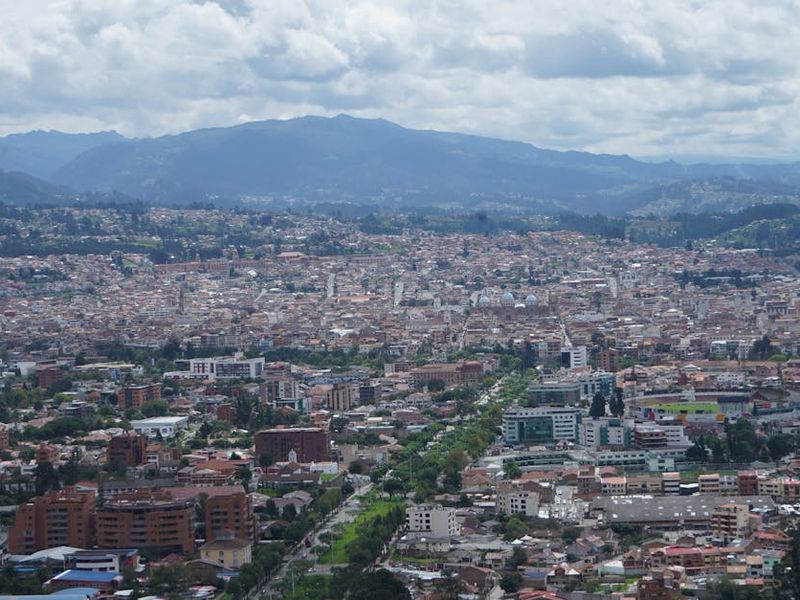
Cuenca, Ecuador, has become a popular destination for people seeking high-quality dental work at a fraction of the cost back home. With modern clinics, experienced dentists, and a large expat community, the city strikes a balance between professional care and an enjoyable travel experience. Add to that Cuenca’s mild climate, colonial charm around Parque Calderón, and easy access to scenic day trips like Cajas National Park, and it’s easy to see why many choose to combine treatment with a vacation.
Start With a Clear Treatment Plan
Before booking flights or hotels, get a detailed written treatment plan from your chosen clinic. A professional plan should include:
- A diagnosis and recommended procedures (with alternatives if applicable)
- Estimated timeline—number of visits and total duration
- Price breakdown (procedure, materials, lab fees, x-rays, medications)
- Payment terms and cancellation policy
- Post-op care instructions and warranty or guarantee information
Insist on digital records: intraoral photos, digital x-rays or CBCT scans, and any lab notes. These files will make remote consultations easier and provide documentation should you need follow-up care back home.
How Long Should You Stay? Timing and Typical Itineraries
Length of stay depends on the work you need. Here are common scenarios to help you plan:
- Routine care (fillings, cleanings): 2–4 days. These can usually be completed in one visit or two within a long weekend.
- Crowns/veneers: 5–10 days. Expect an initial appointment for prep and impressions and a follow-up to seat permanent restorations. Temporary crowns are standard between visits.
- Implants: 1–3 weeks for surgical placement and immediate follow-ups, then a separate visit 3–6 months later for the final crown (unless your clinic offers immediate-load implants).
- Full-mouth reconstructions: Several phases spaced over months. Plan multiple trips if extensive bone grafting or staged implants are needed.
Build in extra days for rest and to recover from any anesthesia or mild discomfort. A minimum buffer of 2–3 days after major procedures helps avoid rushing through recovery.
Choosing a Clinic in Cuenca: What to Look For
Cuenca has many modern dental practices, but quality varies. Use these criteria when comparing clinics:
- Credentials and licensing: Ask if the dentist is registered with the local dental association (Colegio de Odontólogos) and the Ministry of Public Health.
- Technology: Digital x-rays, 3D imaging (CBCT), intraoral cameras, and CAD/CAM milling improve accuracy.
- Sterilization: Observe the clinic’s sterilization area if you can. Autoclaves, sealed instrument packaging, and clear infection-control protocols are musts.
- Lab and materials: Find out whether crowns and prosthetics are made in a local certified lab or outsourced. Ask about materials (zirconia, porcelain-fused-to-metal, titanium implants) and brand names.
- Language and communication: Confirm whether staff speak English, or arrange a translator. Clear communication is critical for informed consent and aftercare.
- Reviews and references: Search Google, Facebook expat groups, and patient photo galleries. Ask for before/after pictures and patient references.
Costs and Payment: What to Expect in Cuenca
One of the main draws of dental travel is cost savings. While prices change and vary by clinic, typical ranges (USD) you might encounter in Cuenca are:
- Fillings: $20–$80
- Root canal (single-root): $100–$300
- Porcelain crowns: $200–$600
- Dental implants (surgery + abutment + crown): $800–$2,000
Always ask if the quote includes x-rays, temporary crowns, follow-up visits, and any sedation fees. Many clinics accept cash (USD) and major credit cards; confirm whether there are processing fees. Get a written invoice for every payment for warranty and tax purposes.
Travel Logistics: Where to Stay and How to Get Around
Pick a neighborhood based on walkability and proximity to your clinic. Popular options:
- Centro Histórico (near Parque Calderón): Ideal for short trips; most attractions, restaurants, and many clinics are within walking distance. Cobblestone streets are charming but can be uneven—bring supportive shoes.
- El Batán and Remigio Crespo: Slightly quieter, with a mix of clinics and residential rental options.
- Turi: Higher elevation with panoramic views—good for a quieter recovery stay but expect a short taxi ride into town.
Taxis are inexpensive and plentiful; agree on a fare or request the meter. Ride-hailing apps may operate intermittently—check availability. For day trips, reputable tour operators can provide comfortable transport, which is useful if you’re avoiding long walks after surgery.
Health, Safety, and Aftercare in Cuenca
Cuenca is generally safe and considered one of Ecuador’s more stable cities. Still, use normal travel precautions: keep valuables out of sight, use hotel safes, and carry photocopies of important documents rather than originals.
Medical notes for aftercare:
- Tap water in Cuenca is treated, but many expats and tourists prefer bottled or filtered water—especially during dental healing. Avoid ice made from tap water if you’re cautious.
- After extractions or implants, stick to soft, low-temperature foods: blended soups, mashed avocados, yogurt, scrambled eggs, and smoothies (use a spoon, not a straw, to avoid dry-socket).
- Farmacias (pharmacies) such as local chains are well-stocked; antibiotics and stronger pain medications will require a prescription from the dentist. Farmacia Fybeca is a commonly found chain with branches around the city.
- If you have an adverse reaction or emergency, dial 911 for emergency services. Keep the clinic’s after-hours contact and a local taxi number handy.
Language, Communication, and Cultural Tips
Spanish is the predominant language. Many private clinics that serve international patients have English-speaking staff, but it’s wise to know basic words and phrases related to dental care:
- Dolor = pain
- Anestesia = anesthesia
- Sangrado = bleeding
- Inflamación = swelling
- Antibiótico = antibiotic
If you don’t speak Spanish, arrange a translator for the initial consultation and for signing consent forms. You can also bring a bilingual friend or hire an independent interpreter through expat networks. Clear, culturally sensitive communication reduces misunderstandings and increases satisfaction.
Insurance, Warranties and Follow-up Care
Most U.S. and European dental insurance plans won’t cover treatment abroad, so verify your coverage ahead of time. Some clinics offer limited warranties for crowns and implants—get warranty terms in writing and understand what follow-up treatments are covered and who pays for shipping or replacement parts if needed.
Always request digital records to take home: x-rays, photos, laboratory notes, implant brand/serial numbers, and a summary of the materials used. These will be invaluable if you need a local dentist to intervene after you return home.
Combining Treatment with Tourism: Smart Sightseeing After Dental Work
Cuenca is rich with things to do that are gentle on recovery days. Consider these low-impact options:
- Stroll along the Tomebamba River and admire the colonial bridges.
- Visit Museo Pumapungo for history and quiet galleries.
- Relax in a café near Parque Calderón—many have shaded patios and easy bathrooms close by.
- Take a short, scenic drive to Cajas National Park for views without strenuous hiking if you’re feeling up to it. Altitude and thin air can affect healing; don’t overexert immediately after surgery.
Avoid heavy hiking, salsa dancing, or anything that raises blood pressure for at least 48–72 hours after surgery to reduce bleeding risk. Save more active excursions for later in your trip once you feel stronger.
Checklist Before You Book
Use this packing and prep checklist to ensure a smooth dental vacation:
- Written treatment plan with timelines and costs
- Copies of medical and dental records (digital and paper)
- Medication list and current prescriptions
- Travel insurance that includes medical evacuation (if desired)
- Passport, local cash (USD), and at least one credit card
- Comfortable, loose clothing and a travel pillow for flights
- Aftercare foods (protein shakes, soft snacks) and a small ice pack
- Contact info for your clinic, taxi numbers, and emergency services
Final Tips: How to Reduce Risk and Get the Best Results
Dental tourism can be highly successful if you do your homework. Prioritize clinics with transparent communication, modern equipment, and verifiable references. Don’t choose a provider solely on price—consider reputation, credentials, and the total package of care. Allow enough recovery time, and arrange clear follow-up plans both in Cuenca and at home.
Many people leave Cuenca smiling—literally—thanks to affordable, well-executed dental care. With careful planning, an informed choice of clinic, and realistic expectations, your dental trip can give you both excellent treatment and a memorable visit to one of Ecuador’s most beautiful cities.
Quick Resource List
- Emergency services: 911
- Major airport: Mariscal La Mar (CUE) — plan local transfers to your accommodation
- Pharmacies: look for national chains for convenience and English assistance
- Local expat groups: Facebook “Expats in Cuenca” and other forums for first-hand recommendations
Ready to start planning? Reach out to several clinics for written quotes, compare timelines, and build a travel itinerary that balances dental needs with recovery—and a little sightseeing. Cuenca can be a comfortable, cost-effective option for dental care when you prepare thoughtfully.