
Table of Contents
Introduction: Dental Care Meets Vacation in Cuenca
If you are considering major dental work — implants, full-mouth crowns, or cosmetic veneers — Cuenca, Ecuador deserves top consideration. This colonial UNESCO city has quietly become a global leader in dental tourism because it offers a rare combination: exceptionally trained dentists and modern clinics at dramatically lower costs, plus a beautiful, low-stress place to recover and enjoy a vacation at the same time. Expect 60–70% savings compared to prices in the United States and Canada, with personalized, one-on-one care from professionals trained at top dental universities.
Why Cuenca Is the Best Choice for Dental Tourism
Cuenca stands out for several powerful reasons that make dental vacations not just economical but genuinely attractive: quality, price, convenience, and environment. Dentists in Cuenca commonly complete postgraduate training in Ecuador and abroad, and clinics use cutting-edge technology — digital scanners, CBCT imaging, CAD/CAM milling, and modern implant systems. That technical capability combined with lower overhead makes the same high-quality treatments available for a fraction of North American prices.
Costs and Value: Save Without Sacrificing Quality
One of the most compelling reasons people choose Cuenca is cost. When comparing prices, patients often report 60–70% savings on implants, crowns and veneers. A single dental implant that might cost $3,000–$6,000 in the U.S. can frequently be completed in Cuenca for a few hundred to a couple of thousand dollars, depending on materials and complexity. Crowns and veneers are similarly more affordable. Those savings can make life-changing dental solutions accessible without compromising on materials or expertise.
World-Class Training and Personalized Care
Many Cuenca dentists graduated from Ecuador’s top dental schools and some pursued advanced studies or residencies in Europe, the U.S., or Canada. Clinics are typically smaller and highly patient-focused, allowing for one-on-one consultations, thorough treatment planning, and friendly continuity of care. You’re less likely to feel like a number; instead, expect detailed explanations, digital treatment previews, and individualized post-op support.
Modern Clinics and Cutting-Edge Technology
High-end clinics in Cuenca are outfitted with modern tools: 3D cone-beam CT scanners for precise diagnostics, intraoral digital scanners to eliminate messy impressions, and in-house or nearby CAD/CAM dental labs that speed up crown and bridge fabrication. Many clinics work with well-known implant brands and can offer immediate-load options when clinically appropriate. This access to contemporary technology is a key part of why international patients receive excellent outcomes.
Typical Dental Vacation Timelines in Cuenca
How long you stay depends on the procedure. Below are common timelines to help you plan travel, accommodations, and vacation activities around dental appointments.
Single-Visit Consult and Minor Work (3–5 days)
For consultations, small restorative work, or single crowns made with CAD/CAM systems, a long weekend may suffice. You’ll have an initial exam, digital x-rays or CBCT if needed, and the work can often be completed quickly with same-day crowns at many clinics.
Implants and Multiple Crowns (7–14 days)
Implant placement often requires a short surgical visit followed by a healing phase. Many patients receive implant placement and a temporary restoration in one trip and return for final crowns several weeks to months later. In straightforward cases, clinics offering guided surgery and immediate-load protocols can sometimes provide final restorations within 7–14 days if bone health and planning allow.
Full-Mouth Rehabilitation (2+ trips possible)
Complex full-mouth restorations might be staged: an initial consultation and planning visit, surgical placement of implants, and a later visit for final prosthetics. However, thanks to local labs and experienced teams, many patients complete substantial restorative work in one or two well-planned trips.
How to Choose the Right Clinic in Cuenca
Selecting a clinic is the most important step. Use these practical tips to find a provider that balances quality, transparency, and comfort.
- Ask for credentials: request dentist diplomas, postgraduate training certificates, and evidence of continuing education.
- Verify technology: make sure the clinic uses CBCT imaging, digital scanners, and reputable implant systems.
- Request a detailed treatment plan: this should include diagnostics, proposed materials (implant brand, crown materials), timeline, and a written cost estimate.
- Compare before-and-after photos: ask to see similar cases the clinic has treated and inquire about complication rates and warranties.
- Read patient reviews on independent platforms and seek references from expats or local forums.
- Confirm language support: many dentists speak English; if not, clinics often provide translators or bilingual staff.
Travel Logistics: Getting to Cuenca and Getting Around
Cuenca is accessible via domestic flights from Quito and Guayaquil into Mariscal La Mar Airport (CUE), or a scenic bus ride along well-maintained roads. International visitors typically fly into Quito (UIO) or Guayaquil (GYE) and then take a short domestic flight (about 45–60 minutes) or a 3–4 hour drive. Many clinics offer airport pickup and local transport to make arrival and departure smooth.
Where to Stay: Neighborhoods That Help Recovery
Choose accommodations that support rest and easy access to your clinic. Popular neighborhoods include:
- Centro Histórico: close to clinics, restaurants, and parks; ideal for easy walking and quick appointments.
- El Vergel and Remigio Crespo: quieter residential areas with short taxi rides to downtown clinics and peaceful places to recover.
- Along the Tomebamba or Yanuncay rivers: scenic options with trails and parks for gentle post-op walks.
How to Prepare Before You Travel
Preparation reduces stress and ensures your dental team can work efficiently once you arrive.
- Collect records: bring x-rays, prior dental reports, and a list of medications and allergies.
- Get a pre-travel medical check: confirm you are fit for sedation or implants and discuss any chronic conditions like diabetes or hypertension with your physician.
- Ask for a detailed quote and payment instructions: many clinics accept credit card, bank transfer, or cash. Confirm whether materials like implant brands are included.
- Arrange travel insurance: look for policies that cover complications from planned procedures or purchase short-term medical tourism coverage.
- Pack essentials: extra toothbrushes, toothpaste, a soft-bristled brush, travel pillow, and copies of your medical/dental records.
What to Expect During Your Treatment
The first appointment is often an in-depth consultation with digital images and a 3D treatment plan. Clinics that specialize in international patients typically offer combined services like sedation management, post-op instructions in English, and arranged follow-ups. Expect thorough communication about anesthesia options, healing timelines, and realistic aesthetic outcomes.
Pain Management and Aftercare
Dental clinics in Cuenca provide clear aftercare instructions and often supply prescriptions for antibiotics and pain relief. Typical recovery from implant placement involves minimal pain managed with over-the-counter or prescribed analgesics, while full-mouth procedures will have a tailored pain and nutrition plan to support healing.
Combining Dental Care with a Memorable Recovery Vacation
One of Cuenca’s major strengths is the environment — ideal for healing. The city’s mild, spring-like climate, walkable historic center, and relaxed pace create a low-stress setting for recovery. Gentle activities can be included in your schedule to aid mental well-being without compromising healing.
- Stroll the Parque Calderón and riverside walkways for light exercise and fresh air.
- Visit the Museo del Sombrero de Paja Toquilla or local artisan markets for cultural distractions.
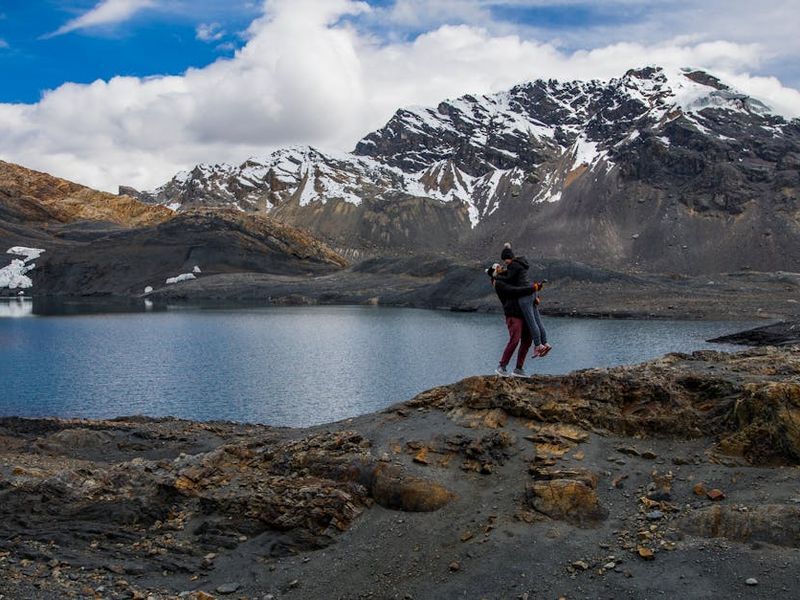
- Take a day trip to Cajas National Park for easy walks among highland lakes — good for moderate activity after initial recovery days.
- Relax at a nearby hot spring or spa for light restorative treatments, avoiding anything that could compromise oral healing.
Language, Culture, and Safety
Many dentists and clinic staff speak English; the city also has a sizeable expat community that provides support and local recommendations. Cuenca is considered one of the safer cities in Ecuador — common-sense precautions apply, but most international patients report comfortable and uneventful stays. Being polite and familiar with basic Spanish phrases helps, but translators are widely available when needed.
Costs, Warranties, and Follow-Up Care
Ask your clinic about warranties on implants and restorations — reputable practices offer guarantees or follow-up protocols that give you peace of mind. Understand what is included in the quoted price: implant brand, type of abutment, provisional crowns, lab fees, and local anesthesia. Get everything in writing and maintain open lines for follow-up communication once you return home; many clinics provide remote follow-up via photos or video calls.
Sample 10-Day Dental Vacation Itinerary
Below is a sample itinerary for someone receiving multiple implants and crowns with same-visit temporaries and recovery time built in:
- Day 1: Arrive in Cuenca, settle in, short walk in the evening.
- Day 2: Initial consultation, CBCT imaging, and treatment planning; schedule surgical day.
- Day 3: Rest and local sightseeing (gentle activities only).
- Day 4: Implant surgery and placement of temporary restorations; light activity and rest post-op.
- Day 5–7: Recovery period with gentle walks, museum visits, and soft food diet as instructed.
- Day 8: Follow-up check; adjustments to temporaries if needed.
- Day 9: Leisure day — take an easy day trip to Cajas National Park or nearby hot springs.
- Day 10: Final review, written aftercare instructions, and return travel the next day.
Common Questions From International Patients
Q: Are there risks to traveling for dental surgery? A: As with any surgery, there are risks. Choosing an experienced clinic, getting pre-travel medical clearance, and arranging travel insurance reduces those risks. Q: What if I need emergency care after I return home? A: Reputable clinics provide remote support and your treatment plan should include emergency protocols. It’s wise to have a local dentist back home who can assist with non-surgical follow-up if needed.
Final Thoughts: Exceptional Care, Remarkable Value
Cuenca, Ecuador delivers a compelling dental tourism package: world-class dentists, modern clinics, significant cost savings (often 60–70% less than U.S. or Canadian prices), and a beautiful, low-stress environment for recovery. Whether you need implants, crowns, veneers, or a full-mouth rehabilitation, planning carefully — selecting the right clinic, preparing medical records, and scheduling a sensible recovery period — lets you combine superior dental care with an unforgettable vacation. For many patients, the result is not only a healthier smile but a revitalized experience in one of South America’s loveliest cities.
With clear planning, written treatment plans, and realistic expectations, a dental vacation in Cuenca can be the best-value path to the dental care you need — leaving you with both excellent oral health and an enjoyable travel memory.