
Table of Contents
Why timing matters when planning a trip to Cuenca
Cuenca, Ecuador’s elegant southern highland city, rewards visitors year-round with colonial architecture, lively markets and easy access to páramo, cloud forest and Inca sites. But like any destination with mountain weather and cultural rhythms, the time of year you visit will affect what you see and do. This guide breaks down the seasons, highlights festivals and day trips, and gives practical advice so you can plan the perfect Cuenca stay.
Cuenca’s climate at a glance
At about 2,560 meters (8,400 feet) above sea level, Cuenca has a temperate, “eternal spring” climate: days are often mild and sunny, while nights can be cool to chilly. There are two broad seasonal patterns:
- Dry season (roughly June–September): Fewer rainy days, crisp mornings and better conditions for hiking and photography.
- Wet season (roughly October–May): More frequent showers and cloudy afternoons, but warmer daytime temperatures and dramatic skies.
It’s important to remember that microclimates exist—rain showers can appear unexpectedly, and sunny spells can follow a storm within hours. Lightweight layers and a rainproof outer layer are essentials any month.
Best time to visit: what “best” really means
There’s no universally perfect month to visit Cuenca—only the best month for your priorities. Choose the dry months (June–August) if you want reliably clear skies for Cajas National Park hikes and panoramic photos from el Turi viewpoint. If you prioritize culture and lower accommodation prices, consider shoulder months (April–May or September–October) when crowds thin but many services remain fully available.
Seasonal highlights and who should travel when
June–August (Dry season): outdoor lovers, photographers
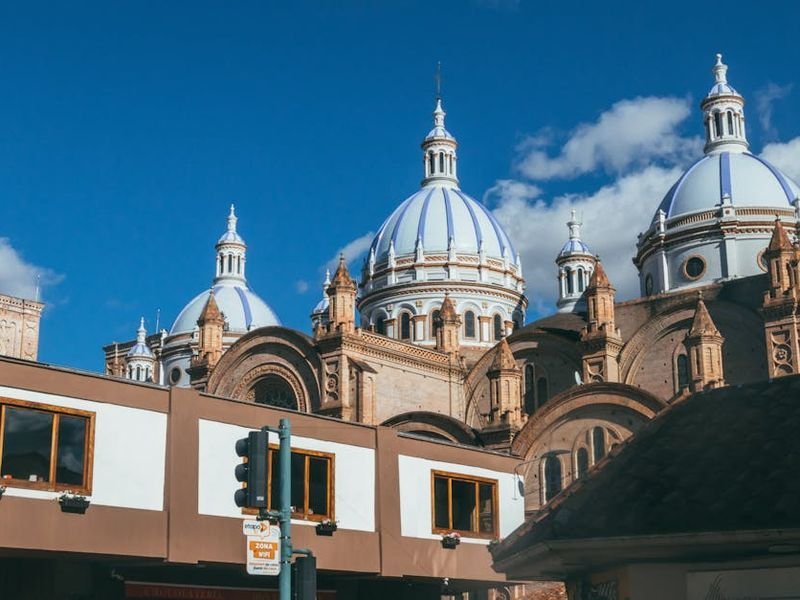
These months are the most popular with foreign travelers. Trails in Cajas (about 30–45 minutes by car/bus) are drier and safer, and the air is crisp—ideal for sunrise shots over the cathedral’s blue domes. Keep in mind that domestic tourism also peaks during Ecuador’s school vacation periods, so book hotels early for popular dates.
September–November (shoulder season): culture seekers, bargain hunters
Expect a mix of sunny days and occasional rain. This is a superb window for festival lovers—Cuenca celebrates its founding and independence with events around early November—plus lower rates on mid-range hotels. The city feels lively but less crowded than July.
December–February (holiday period and early wet season): families, holiday travelers
December and early January are popular with Ecuadorian travelers during the holidays. Expect more activity, particularly around the historic center and restaurants. Rainfall increases toward the end of this period, but short showers rarely ruin a day.
March–May (wet season peak and quieter months): budget-conscious and introspective travelers
This is Cuenca’s rainier season, with afternoons more likely to see steady showers. That doesn’t mean you can’t enjoy the city—museums, shops and cafés are great shelter, and rainy skies can be dramatic for photography. Prices for accommodations and tours often drop.
Major events and holidays that affect travel plans
Cultural holidays change the rhythm of the city and are great for immersion—just plan ahead for closures and crowds:
- Semana Santa (Holy Week, March/April): A major religious observance—processions, altered opening hours and packed restaurants.
- July and August festivals: Local cultural events and music festivals often cluster in the dry months, drawing both domestic and foreign tourists.
- Independence and civic celebrations (early November): Parades, concerts and street fairs enliven the historic center; this is one of Cuenca’s liveliest periods.
- December holidays: Christmas and New Year bring festive decorations, special menus and fuller hotels.
If your travel dates overlap these periods, book transport and accommodation in advance and expect some businesses to alter opening hours on the actual holiday days.
Day trips and activities by season
Top dry-season activities
- Cajas National Park: full-day hikes, lake circuits and highland birding are best when trails are less muddy.
- El Turi viewpoint: clear vistas of the city under bright skies—perfect at sunset.
- Longer treks and multi-day backpacking routes in surrounding páramo areas.
Top wet-season activities
- Museum-hopping in the historic center—Museo del Banco Central and Museo Pumapungo are excellent rainy-day options.
- Artisan towns: day trips to Gualaceo and Chordeleg for weaving and jewelry shopping (markets operate year-round).
- Thermal springs or day tours to cultural sites like Ingapirca (bring a waterproof jacket).
Practical tips for dealing with weather and altitude
Cuenca’s elevation can affect visitors more than the temperature. Even if mornings feel mild, the thinner air makes exertion tougher. Here are solid, practical precautions:
- Give yourself 24–48 hours to acclimatize—avoid intense hikes on day one.
- Hydrate well: drink bottled or filtered water and avoid excess alcohol on arrival.
- Pack layers: a lightweight fleece, breathable shirts, a windproof/rain jacket and a warm hat for evenings.
- Sunscreen and sunglasses are essential—UV is stronger at altitude, even on cloudy days.
- If you have significant altitude concerns, consult a travel doctor about acetazolamide and other options before you go.
Packing list tuned to Cuenca’s seasons
Regardless of the month, pack thoughtfully. Here’s a concise list:
- Clothing layers (base layer, fleece/sweater, rain shell)
- Comfortable walking shoes and a pair of sturdier hiking shoes for Cajas
- Compact umbrella and waterproof daypack cover
- Sunscreen (SPF 30+), wide-brimmed hat and sunglasses
- Reusable water bottle with filter or purification tablets
- Basic first-aid kit, altitude medication if recommended, and personal prescriptions
- Plug adapter for North American-style outlets (Ecuador uses 120V with Type A/B plugs)
Where to stay and how timing affects availability
Cuenca’s historic center (around Parque Calderón and the Tomebamba River) is the most convenient for first-time visitors: you’ll be within walking distance of the New Cathedral with its blue domes, museums, cafés and nightlife. If you visit during high season or a major festival, book at least 4–6 weeks ahead—smaller boutique hotels fill fast.
Budget travelers can find hostels and guesthouses throughout the city year-round, but prices typically rise in July–August and around December holidays. Shoulder months are the best time to secure a good room at a reduced rate.
Money, transport and safety considerations by season
Cuenca is one of Ecuador’s safest large cities, but typical urban caution applies: watch your belongings in crowded markets, avoid poorly lit streets late at night, and use official taxis or app-based services after dark. Seasonal crowds change the dynamic a bit—expect more pickpocketing risks in crowded festival areas and more traffic during holiday weeks.
Transport tips:
- Domestic flights connect Cuenca’s Mariscal La Mar airport to Quito and Guayaquil—check schedules and book early in peak season.
- Interprovincial buses to Guayaquil, Loja and other cities are frequent and inexpensive; book seats ahead on holiday weekends.
- Local buses are cheap and reliable; taxis are plentiful and affordable for short distances (agree a fare or ensure the meter is used).
Sample itineraries by trip length and season
48 hours in the dry season (June–August)
Day 1: Walk the historic center, climb one cathedral tower, enjoy sunset at El Turi. Day 2: Full-day trip to Cajas National Park for 3–6 hour hikes and lake views.
5 days in shoulder season (September–October)
Day 1: Arrival and acclimatization; easy walk along the Tomebamba. Day 2: Museums and artisan markets. Day 3: Day trip to Gualaceo and Chordeleg for crafts. Day 4: Cajas National Park full day. Day 5: Relaxed morning, fly or bus out.
7+ days in wet season (March–May)
Use rainy afternoons to explore indoor attractions: museums, chocolate and coffee tours, and culinary experiences. Spread longer hikes across clear days, and enjoy quieter streets and better accommodation deals.
Birdwatching and nature tips—when to go
Birdlife around Cuenca is rich year-round. Dry months give easier access to highland trails and clearer views for photography. If hummingbirds and cloud-forest species are your priority, target visits to surrounding reserves and cloud forest lodges—many operate feeders and guided walks regardless of season. Always ask local guides for the most current information; they know when species are most visible in their microclimates.
Final considerations and quick decision guide
Still deciding? Here’s a quick selector:
- Want great hiking and blue skies: visit June–August.
- Prefer fewer crowds and lower prices but decent weather: aim for April–May or September–October.
- Love local festivals and don’t mind more people: plan for early November or the December holidays.
- Traveling on a tight schedule: remember that Cuenca’s mild climate makes it forgiving—pack layers and you’ll have a good trip any month.
Cuenca’s charm is in its walkable colonial center, easy access to dramatic Andean landscapes and welcoming cultural life. Whether your ideal trip centers on long treks in Cajas, lingering café mornings in the historic core, or lively festival nights, picking the right season will enhance the experience—and knowing what to expect will help you pack, plan and enjoy every moment in Ecuador’s highland jewel.