
Table of Contents
Why spend a week in Cuenca?
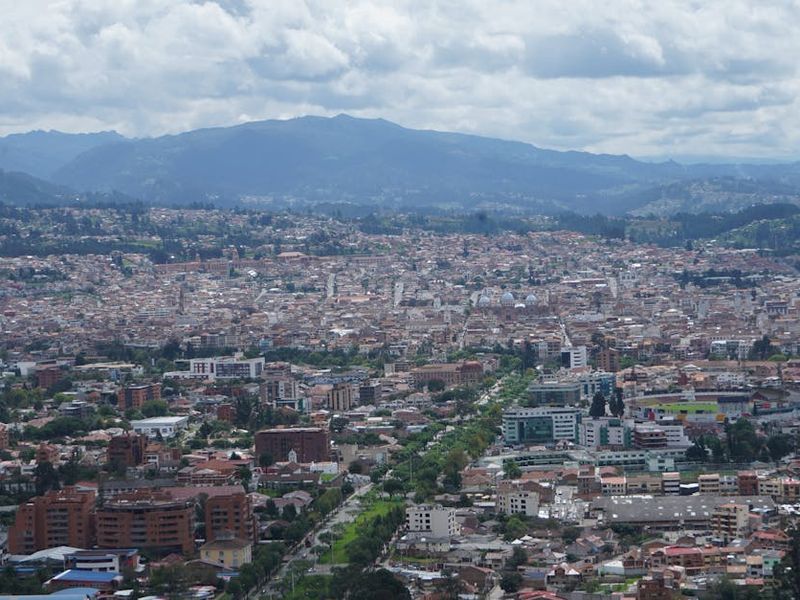
Cuenca is one of Ecuador’s most walkable, atmospheric cities: a UNESCO-listed historic center, rivers lined with flowerbeds, and a friendly mix of traditions and modern comforts. A week lets you experience the city at a comfortable pace — wander cobbled streets, meet artisans, taste Andean cuisine, and escape into nearby highland landscapes without feeling rushed.
Quick facts and practicalities
Before we dig into the daily plan, here are some essentials to keep in mind while you’re in Cuenca:
- Elevation: about 2,560 meters (8,400 feet). Expect cool mornings and nights; take it easy on strenuous activity the first day.
- Currency: United States dollar (USD). ATMs are widespread in the center but carry small bills for markets.
- Airport: Mariscal Lamar International Airport (CUE) is small and close to the city. Flights connect from Quito and Guayaquil.
- Language: Spanish is dominant. A few basic phrases go a long way — many hospitality staff speak some English, but practicing Spanish opens doors.
- Weather: temperate and changeable. Layers, a light rain jacket, sunscreen and a hat are musts.
How to get around
Cuenca is compact. The historic center is best explored on foot; many streets are pedestrianized. For longer distances, taxis are inexpensive — ask your hotel for a reputable company or use the official taxi stands. Buses are cheap and reliable for reaching neighborhoods outside the core. If you plan several day-trips, consider renting a car for flexibility, but be aware that mountain driving requires confidence and care.
Suggested itinerary overview
This seven-day outline balances Cuenca’s urban charms with spectacular nearby landscapes and artisan towns. Each day includes options if you prefer to swap activities based on energy and weather.
Day 1 — Arrival, Plaza Calderón and orientation
After arriving and settling into your accommodation, head straight to the heart of the city: the Plaza Calderón. The large plaza is dominated by the New Cathedral with its striking blue domes — a perfect first photo stop. Stroll the surrounding streets to get your bearings, peek into bakeries for local bread and try a cup of Ecuadorian coffee at a nearby café.
Tip: Plan a relaxed first evening. The altitude often makes travel tiring, so keep activities gentle — a riverside walk along the Tomebamba or an early dinner are ideal.
Day 2 — Museums, markets and local life
Dedicate this day to Cuenca’s museums and markets. Start at a major archaeology and ethnography museum to learn about the pre-Columbian cultures of the region. Museums in Cuenca provide context for the artifacts you’ll see in small towns around the city.
After the museum, visit a bustling market for fresh fruit, local snacks and vivid textile stalls. Markets are great for sampling bread, empanadas and the Ecuadorian treat ‘bizcochos’ with coffee. Don’t be shy to ask vendors about ingredients — many are proud to explain traditions behind the foods on sale.
In the afternoon, wander neighborhood plazas and artisan shops. Cuenca is renowned for handmade goods — including the fine straw hats (often called Panama hats) woven from toquilla straw, and silver jewelry. Look for small ateliers where you can watch artisans at work and buy directly from makers.
Day 3 — Cajas National Park day trip
One of the top reasons to base yourself in Cuenca is an easy day trip to Cajas National Park. A UNESCO-recognized páramo landscape, Cajas is a mosaic of glacial lakes, peat bogs and mountain trails. Choose a moderate hike that passes several lagoons and offers dramatic highland views — bring warm layers and waterproof shoes.
Practical note: The park is chilly and windy even on sunny days. Pack snacks, plenty of water, and be prepared for thinner air at higher elevations. Guided hikes are recommended if you’re not accustomed to high-altitude trekking.
Day 4 — Artisan towns: Gualaceo and Chordeleg
Take a cultural day trip to nearby artisan towns. Gualaceo is known for traditional weaving and vibrant markets; Chordeleg is famous for intricate filigree silverwork and jewelry. These towns are perfect for slow shopping: try to buy directly from a cooperative or family workshop.
Plan your visit for market days if possible — early mornings are the liveliest. Bring small bills for purchases and be prepared to bargain politely in markets. If you have time, visit a local chocolate or coffee cooperative en route to learn about regional production methods.
Day 5 — Cooking class, boutique museums and sunset views
Spend a day indulging in Cuenca’s food culture. Book a cooking class that includes a market tour — learning to prepare traditional dishes like locro (a hearty potato soup) or hornado (roasted pork) is both delicious and immersive.
After lunch, pick a lesser-known museum or gallery focusing on regional art and modern Ecuadorian artists. For sunset, ascend to a popular viewpoint or hilltop neighborhood — many offer panoramic views of the city’s domes and the surrounding valleys. Evenings are a great time to try a restaurant with a rooftop terrace.
Day 6 — Ingapirca ruins or a slower cultural day
Choose between a full-day excursion to the Ingapirca ruins — Ecuador’s most significant Inca site — or a softer itinerary inside Cuenca. Ingapirca involves a drive of roughly 1.5–2 hours each way; guided tours include transportation and historical background.
If you prefer to remain in town, explore boutique neighborhoods, visit a hat-weaving workshop, or take a Spanish lesson. Many visitors discover that leaving room for serendipity — a random concert in a plaza or a new café — leads to the most memorable experiences.
Day 7 — Slow morning, last-minute shopping and a farewell evening
On your final day, keep things flexible. Return to favorite shops for last-minute souvenirs, revisit a riverside bench with a book, or treat yourself to a spa or massage. Enjoy a leisurely lunch at a small bistro and soak in the atmosphere.
For your final evening, consider a tasting menu that showcases local ingredients or an informal evening exploring the city’s small bars where locals gather. Cuenca’s nightlife is relaxed; the best nights are often simple ones with live music or friendly conversation.
Where to stay — neighborhoods that fit different styles
Cuenca has accommodations for every taste. If you want history and photography, choose the Historic Center for cobbled streets and immediate access to major sights. For a quieter, residential feel with local markets, consider neighborhoods slightly north of the center. If you value views, Turi provides hilltop panoramas of the city. Many visitors prefer small boutique hotels or guesthouses for personalized recommendations and the chance to meet locals.
Food, coffee and where to eat
Cuenca’s culinary scene blends traditional Andean fare with modern influences. Don’t miss simple pleasures like fresh fruit juices, local breads and corn-based dishes. For heartier meals, try grilled trout (from nearby lakes), hearty soups and slow-roasted meats. For a taste of tradition, visit family-run eateries where plates are generous and recipes passed down through generations.
For coffee lovers, Cuenca has specialty coffee shops roasting beans from Ecuador’s highlands and coastal regions. Try café-based tastings or small roasters to understand subtle flavor differences. If you’re curious about chocolate, seek out small chocolate makers offering tastings that trace beans from farm to bar.
Safety, health and sensible tips
Cuenca is generally safe for visitors, though like any city petty theft can occur. Use common-sense precautions: lock valuables in a safe, use hotel taxi recommendations at night, and keep copies of important documents. Drink bottled or filtered water if you’re sensitive; many restaurants use filtered water for cooking but it varies.
Altitude can affect digestion and energy levels. Stay hydrated, avoid heavy exertion your first day, and limit alcohol until you’re acclimated. If you take prescription medications, bring enough for your stay; pharmacies are well-stocked for routine needs but specific brands may vary.
Budgeting and money tips
Daily costs depend on your style. Budget travelers can manage on $25–40/day by using public transit, eating at markets and staying in guesthouses. Mid-range travelers will feel comfortable in the $60–120/day range for comfortable hotels, restaurant meals and a couple of guided tours. Upscale travelers should budget $150+/day for boutique hotels, private guides and fine dining.
ATMs are plentiful in the center. Watch for ATM skimming risks and withdraw during daytime or at bank branches. Many restaurants accept cards, but small vendors and markets will prefer cash.
Useful Spanish phrases for a week in Cuenca
- Hola, ¿cómo está? — Hello, how are you?
- ¿Cuánto cuesta? — How much does it cost?
- Una mesa para dos, por favor — A table for two, please
- Gracias, estuvo delicioso — Thank you, it was delicious
- ¿Dónde está el baño? — Where is the bathroom?
Knowing these basics will improve interactions, and locals appreciate the effort.
Packing checklist specific to Cuenca
- Layered clothing: long-sleeve shirts, light sweater, waterproof jacket
- Comfortable walking shoes — the old town has uneven cobbles
- Sunscreen and sunglasses — sun is strong at altitude
- Reusable water bottle and small daypack
- Plug adapters (Ecuador uses Type A/B, 120V), copies of passport/ID
Local events and timing: when to come
Cuenca’s climate is pleasant year-round, making any season viable. High season coincides with holidays and summer months (northern hemisphere), so if you prefer fewer tourists aim for shoulder seasons. Keep an eye on local calendars for cultural events and artisan fairs — timing a trip around a market or exhibition can deepen your experience.
Alternate day-trip ideas and slower options
If you want more variety beyond our main suggestions, here are low-effort options that showcase local life:
- Take a short trip to a nearby thermal spa for a restorative soak.
- Spend an afternoon at a cooperative farm learning about coffee or chocolate production.
- Explore quiet neighborhood parks and small galleries for a slower urban day.
Final tips for a perfect week
Seven days in Cuenca is an ideal rhythm: enough time to feel like a local for a few days and still see the surrounding treasures. Be flexible — leave space for spontaneous discoveries and conversations. Book at least one guided experience (a hike in Cajas or a tour of Ingapirca), because local guides will share context you won’t get from a guidebook. And most importantly: slow down. Cuenca rewards those who move at a walking pace, linger at cafés, and take time to listen to the city’s rhythms.
Whether you’re focused on culture, nature, crafts, or cuisine, this compact but comprehensive week will give you a genuine feel for Cuenca — its history, its people, and the landscapes that cradle this unique Andean city.