
Table of Contents
Why Cuenca’s Markets Are Worth Exploring
Markets are the heartbeat of Cuenca. They offer more than groceries and souvenirs; they are places where farmers, artisans and families come together. Whether you’re an expat stocking a kitchen, a traveler hunting for authentic keepsakes, or a foodie eager to try local specialties, Cuenca’s markets deliver variety, color and great value.
How the Markets Differ: Produce Hubs vs. Artisan Fairs
It helps to think of Cuenca’s markets in two broad categories. First, the daily produce markets—large indoor markets and neighborhood stalls—where you’ll find fresh vegetables, Andean tubers, fruit from the foothills and trout from local lakes. Second, artisan markets and weekend fairs, which showcase textiles, tagua jewelry, Panama hats and ceramics. Many neighborhoods host both kinds of markets; knowing which to visit for what will save you time and money.
Top Markets to Visit for Fresh Local Produce
Mercado Central (Central Market)
The Central Market in Cuenca is a bustling, multi-block market where you can buy nearly everything for daily life: mountains of potatoes in every size and color, fresh herbs bundled for cooking, stretches of brightly colored peppers and citrus, eggs, and local cheeses. Expect to see trout available whole or fileted—Cuenca’s lakes and rivers make trout a staple protein. The Central Market is also a great place to try quick, local breakfasts like humitas or tamales from a stall while you shop.
Mercado 10 de Agosto
Mercado 10 de Agosto is known for its lively produce aisles and seafood section. Vendors from surrounding Azuay and Cañar provinces bring seasonal fruit—blackberries, naranjilla, and other Andean and sub-tropical varieties—alongside staples like corn, fava beans and garlic. If you’re buying in quantity for meal prepping or entertaining, this market tends to offer particularly competitive prices.
Neighborhood Farmers’ Markets
Outside the big halls, small neighborhood mercados and weekly ferias are where many Cuencanos do their regular shopping. These may be held in plazas or schoolyards and are particularly good for sourcing hyper-local produce—vegetables harvested that morning and cheeses from small producers. Look for markets in barrios such as El Vergel, Santa Ana and others; they are often walkable if you live in or near the historic center.
Where to Find the Best Crafts and Handmade Goods
Artisan Stalls Along the River and in the Historic Center
Tomebamba’s riverside and the streets around the historic center are dotted with artisan stalls and small shops selling local crafts. You’ll find Panamanian-style straw hats, fine embroidered blouses, cozy ruanas and ponchos made from sheep or alpaca wool, and delicate tagua (vegetable ivory) jewelry. These vendors are usually independent artisans or family cooperatives—buying here supports local makers directly.
Pumapungo and Museum-Affiliated Craft Booths
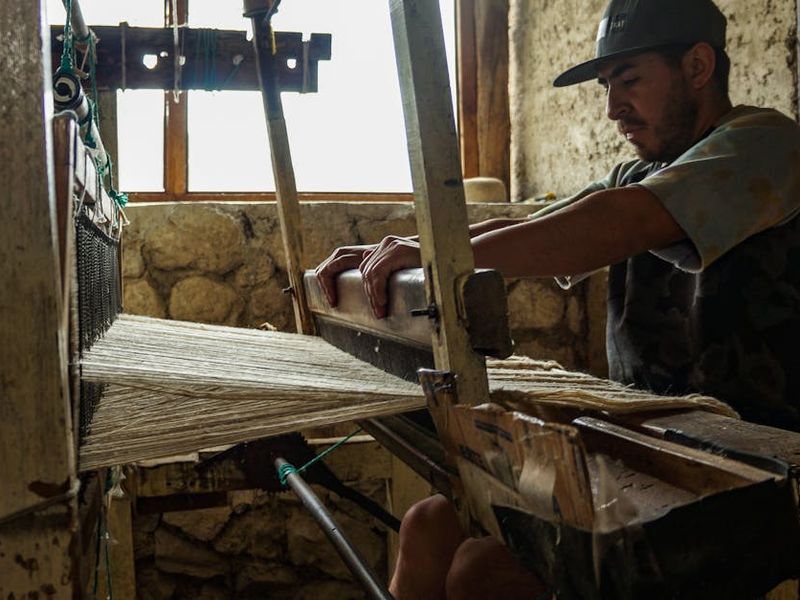
Museums and cultural centers in Cuenca sometimes host craft booths featuring traditional techniques: backstrap weaving, intricate embroidery, and ceramics inspired by local indigenous designs. These venues often highlight ethical sourcing and provide information about the makers, so they’re a good choice if you want documented provenance and fair prices.
Weekend Artisan Fairs
On weekends, look for pop-up artisan fairs in parks and plazas. These events gather craft vendors from across the region and are ideal for browsing a wide range of items in one place: leather goods, silver filigree, hand-thrown pottery and contemporary jewelry. Weekend fairs are also great for finding unique gifts that aren’t sold every day in the city’s traditional gift shops.
Practical Tips for Shopping in Cuenca’s Markets
Markets in Cuenca are welcoming, but a few local tricks will improve your experience:
- Bring cash and small bills. Many vendors prefer cash and may not accept cards for small purchases.
- Go early for the best selection. Produce markets are busiest in the morning—shop between 7:00 and 10:00 a.m. for peak freshness.
- Wear comfortable shoes and expect crowds. Market aisles can be narrow and bustling.
- Bring a reusable bag or tote. Many vendors provide plastic bags, but reusable bags are sturdier and better for multiple purchases.
- Ask for samples. For fruits, cheeses and some snacks, vendors will often let you taste before buying—use this to judge ripeness and flavor.
- Learn essential Spanish phrases. Simple words like “¿Cuánto cuesta?” (How much?) and “¿Puedo probarlo?” (Can I try it?) go a long way.
Haggling, Prices and Paying
Haggling is part of the market culture but is generally modest—most vendors already price items competitively. If you’re buying several items or bulk produce, a polite ask for a small discount or a freebie (a handful of herbs, a small fruit) is common. Always keep your money organized so you can pay quickly. Many stalls are small and change may be limited.
What to Buy: Produce, Pantry Staples and Specialty Foods
Cuenca’s markets offer a blend of highland and subtropical ingredients. Here are some practical ideas for filling your fridge and pantry:
- Andean tubers and potatoes: dozens of varieties for soups, stews and the classic llapingachos (potato patties).
- Fresh herbs and greens: cilantro, culantro, and hearty greens for sizzling or salads.
- Seasonal berries and fruits: blackberries (moras), tree tomatoes, and citrus depending on the season.
- Fresh trout: whole or filleted—perfect for grilling or baking with Andean herbs.
- Local cheeses and dairy: queso fresco and other regional cheeses from nearby dairy farms.
- Panela and local honey: natural sweeteners used in traditional recipes and beverages.
Crafts to Take Home: Authentic Souvenirs
When shopping for handicrafts, consider items that reflect the region’s traditions and materials:
- Panama hats (sombreros de paja toquilla): lightweight and often high quality—inspect the weave closely for tightness.
- Textiles and ponchos: look for natural fibers like alpaca or sheep wool and ask about care instructions.
- Tagua jewelry: carved from vegetable ivory, tagua pieces are an eco-friendly alternative to animal ivory.
- Silver filigree and jewelry: fine silverwork is common in Ecuador; verify the material and ask for small hallmarks when possible.
- Handmade ceramics: local motifs, both traditional and modern.
Seasonal Calendar: What to Expect Month-by-Month
Cuenca’s markets change with the seasons. Although Ecuador’s equatorial climate moderates extremes, harvests still have timing:
- Spring (September–November): early mountain fruits, fresh herbs, and excellent trout fishing yields.
- Summer (December–February): many tropical fruits from lower elevations make an appearance; expect colorful stalls.
- Autumn (March–May): a transition with both highland and lower-elevation produce available—great for diversity.
- Winter (June–August): heartier vegetables and tubers dominate; perfect time for soups and stews.
Eating at the Markets: Street Food and Quick Meals
Markets are perfect places to eat like a local. Try savory snacks such as empanadas, tamales, humitas, and freshly made juices. For a light lunch, look for small vendors serving soup and rice or seafood stalls offering simple grilled trout. Always choose busy stalls with frequent turnover—this usually indicates fresh ingredients and safe preparation.
Safety, Storage and Bringing Food Home
Markets are generally safe, but use common-sense precautions: keep wallets in front pockets, avoid displaying large amounts of cash, and keep an eye on your shopping bags. To store purchases in an apartment without a large fridge, prioritize perishables: cook trout or fresh greens the same day and store cheese and eggs in a cool spot. Most neighborhoods have small supermarkets if you need chilled storage for longer stays.
How to Discover New Markets and Events
If you want to go beyond the main markets, ask locals—neighbors, landlords, or baristas—for their favorite stalls and weekend fairs. Local Facebook groups and expat community pages are good places to find announcements for special artisan markets or seasonal producers’ fairs. Municipal event calendars often list craft fairs and cultural markets tied to holidays and festivals.
Sample Market Day Itinerary
Want to make the most of one market day in Cuenca? Start early at a central produce market for fresh fruit, cheese and trout. Pause for a market breakfast—humita or tamal and a freshly made juice. Mid-morning, head to the riverfront or museum area for artisan shops and textile stalls. Finish at a weekend fair or neighborhood feria for unique crafts and afternoon snacks.
Final Thoughts: Shop with Curiosity and Respect
Cuenca’s markets are lively, social and full of discoveries. Approach them with curiosity, a willingness to try new foods and a respect for the artisans and farmers whose work you’re buying. Whether you’re sourcing the ingredients for a homemade Ecuadorian dinner or hunting for a handcrafted keepsake, you’ll find that shopping in Cuenca’s markets is as much about the experience as it is about what you take home.
Ready to explore? Put on comfortable shoes, bring a tote, and let the markets of Cuenca introduce you to the flavors, textures and craftsmanship of southern Ecuador.