
Table of Contents
Why neighborhood choice matters in Cuenca
Cuenca, Ecuador’s charming UNESCO-listed city in the southern highlands, offers a wide range of neighborhoods that suit very different lifestyles. Where you live will determine your daily rhythm: whether you walk to colonial plazas and cafés, take a short taxi to a modern mall, or drive to a tranquil gated community with mountain views. Picking the right barrio (neighborhood) can make the difference between thriving as an expat and feeling frustrated by noise, cold, or long commutes.
Quick facts about Cuenca to keep in mind
At roughly 2,560 meters (8,400 feet) above sea level, Cuenca’s climate is often described as “eternal spring” — mild days and cool nights with frequent cloud cover. The city is centered on the Tomebamba River and the Parque Calderón, and it’s encircled by scenic hills like Turi. Important local features for expats include the Tranvía (light rail) that connects north and south corridors, solid private clinics and public hospitals such as Vicente Corral Moscoso, and easy access to Cajas National Park for weekend escapes.
What most expats want: a short checklist
Before diving into neighborhoods, consider this short checklist that guides most expat decisions:
- Proximity to medical care (clinics and hospitals)
- Access to reliable internet and power (important for remote workers)
- Walkability to groceries, cafés, and markets
- Noise level — historic center is lively, suburbs are quieter
- Security — gated buildings and guarded compounds are common
- Public transport and taxi access
Neighborhood profiles: where expats actually live
Below are practical portraits of the most popular types of neighborhoods for expats, with tips on what to expect and who they suit best.
Centro Histórico — for those who want to be in the middle of it
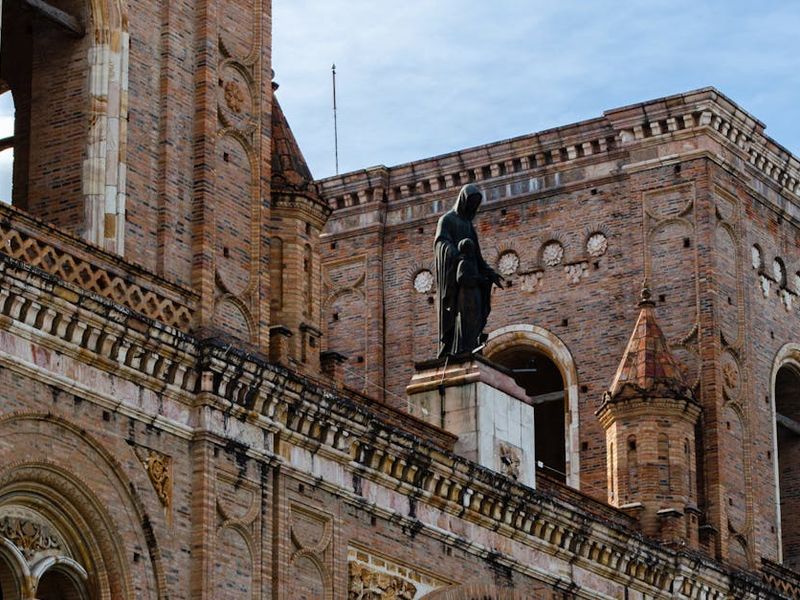
The historic center — the area around Parque Calderón and the cathedral — is where Cuenca’s colonial charm is concentrated. Cobbled streets, colonial architecture, plazas, and a dense cluster of cafés, restaurants, and artisan shops make this an irresistible location for culture lovers.
Living here means short walks to museums like Museo Pumapungo, countless restaurants, and the bustle of weekend markets. Apartments in restored colonial buildings can be unique and full of character, though they may lack elevators and modern insulation.
Who it’s good for: singles, couples, and seniors who prioritize walkability and cultural life. Expect more foot traffic and noise, and look for apartments with double-glazed windows if you’re sensitive to street noise or cold.
Riverside neighborhoods along the Tomebamba — lovely walks and cafés
The Tomebamba River runs through Cuenca and creates scenic corridors lined with parks and pedestrian walks. Neighborhoods directly adjacent to the river offer a peaceful vibe while keeping you close to the center.
These areas tend to provide the best of both worlds: scenic riverbank strolls and quick access to downtown amenities. Buildings here can range from renovated historic homes to modern low-rise apartments.
Who it’s good for: families and people who want beautiful daily views and easy access to green spaces without the full intensity of the Centro Histórico.
University area — lively, convenient, and affordable
Neighborhoods around Universidad de Cuenca attract students, professors, and budget-conscious expats. You’ll find reasonably priced apartments, lively cafés, and a youthful energy. If you teach, study, or work at the university, living nearby can save you commute time.
Note that noise and occasional student parties are part of the scene; if you prefer quiet evenings, look for buildings a block or two away from the busiest strips.
Who it’s good for: young expats, remote workers on a budget, and academics.
Modern north and commercial corridors — malls, supermarkets, and clinics
The newer developments to the north and along major commercial avenues have larger apartment complexes and more modern infrastructure. These areas usually offer proximity to shopping malls, supermarkets, private clinics, and chains like grocery stores and home improvement stores.
These parts of town are well served by public transport and the Tranvía, making them a favorite for expats who want modern conveniences and good internet service.
Who it’s good for: families and professionals who prefer contemporary apartments, easy shopping, and short taxi rides to entertainment.
Turi and the southern hills — for views and quiet
Turi is a hilltop area with a famous viewpoint that overlooks the entire city. Neighborhoods on the southern slopes offer panoramic vistas and a quieter, more suburban lifestyle. Some expats choose houses or villas here for space and peace, but be prepared for steeper roads and longer trips into the city center.
Who it’s good for: people with cars, retirees seeking tranquility, or anyone wanting scenic surroundings and cooler nights.
Gated communities and new subdivisions — security and space
Outside the dense urban core there are gated communities and modern subdivisions that cater to expats and upper-middle-class locals. These often feature 24-hour security, private parking, small parks, and sometimes community amenities like gyms or pools.
They are ideal for those prioritizing security and space, though they typically require a short drive to get to central Cuenca services and attractions. Utilities and internet are usually dependable in these developments.
Who it’s good for: families with children, pet owners, and expats who want an English-speaking micro-community.
Rental prices, buying, and what to expect
Cuenca uses the U.S. dollar, which simplifies budgeting for many expats. Monthly rents vary widely depending on location and quality:
- Studio/1-bedroom in Centro or student areas: approximately $300–$600
- 2–3 bedroom apartments in good neighborhoods: $600–$1,200
- Houses or newer luxury apartments (gated or with views): $1,200 and up
Buying property is possible for foreigners and can be a sound investment for long-term residents. Work with a reputable real estate agent and an English- or Spanish-speaking attorney to check titles and zonal regulations.
Transport and commuting: how you’ll get around
Cuenca’s Tranvía light rail and bus network make commuting straightforward for many residents. Taxis are abundant and inexpensive for short trips. If you plan to live in suburban areas, owning a car can be convenient, especially for grocery runs or weekend trips to places like Cajas National Park.
Walking is pleasant in many central neighborhoods; cobblestones and historic streets add charm but can be uneven for strollers and some footwear. If you rely on public transit, confirm your prospective neighborhood’s proximity to a tranvía station or frequent bus line.
Safety, health care, and local services
Cuenca is generally considered one of Ecuador’s safer large cities, but like any city, petty theft exists. Choose apartments with secure doors and windows, and consider buildings with reception or 24-hour security if safety is a priority.
Healthcare in Cuenca is strong compared to regional standards: private clinics offer modern services and many English-speaking doctors cater to the expat community. The Vicente Corral Moscoso hospital is the city’s major public hospital and there are several private centers for specialist care.
Practical tips for settling in a neighborhood
Here are concrete, actionable tips to make your neighborhood search efficient and low-stress:
- Visit at different times of day: morning market noise, evening nightlife, and weekend foot traffic can change your experience.
- Test internet speed: if you work remotely, ask the landlord for recent speed tests or buy a short-term SIM from a local carrier to test coverage.
- Check for hot water and heating: many homes rely on gas or electric heaters; make sure hot water is consistent.
- Ask about maintenance and utilities: clarify who pays for water, electricity, garbage, and internet in the rental agreement.
- Look for nearby supermarkets, pharmacies, and green markets (mercados) to gauge everyday convenience.
- Confirm parking options if you own a car — street parking can be limited in older areas.
How to find housing: resources and the local rhythm
Start your search online through expat forums, Facebook groups, and local real estate portals, but plan to make decisions in person. Short-term rentals such as Airbnbs or monthly listings are good for the first month or two while you scout neighborhoods. Working with a bilingual realtor can speed up paperwork and help you negotiate utilities, deposits, and required identification.
Leases typically ask for one or two months’ deposit and a monthly rent in dollars. Be prepared with copies of your passport, proof of income or pension, and local references if possible.
Community resources and making connections
Cuenca has an active expat community. Social groups organize meetups, language exchanges, and cultural outings. Volunteering, joining a fitness class, or attending local markets and cultural events at Museo Pumapungo or the Parque Calderón will quickly expand your circle and give firsthand impressions of different neighborhoods.
Final tips: matching neighborhood to lifestyle
There’s no single “best” neighborhood in Cuenca — only the right one for your lifestyle. If you want daily cultural immersion, choose the Centro Histórico; for modern conveniences and clinics, look to the newer commercial corridors; if quiet, space, and views matter, consider Turi or gated communities. Always balance proximity to amenities against price, noise level, and access to transportation.
By visiting neighborhoods at different hours, testing internet and transit connections, and talking to local residents, you’ll find the barrio that fits your daily life. Cuenca rewards patience: once you settle in the right spot, it becomes easy to fall in love with the city’s pace, food, and welcoming communities.
Need a starting checklist for your neighborhood tour?
- Walkability score: Can you reach groceries, pharmacies, and cafés in 10–15 minutes?
- Noise check: Visit in the evening for nightlife levels and early morning for market noise.
- Internet test: Ask current tenants or run a speed test if possible.
- Safety: Check locks, security systems, and neighborhood lighting at night.
- Transport: Note distance to the nearest Tranvía or bus stop and typical taxi wait times.
Cuenca offers diverse choices—from the intoxicating charm of the colonial center to quiet suburban streets with mountain views. With a clear idea of your priorities and a bit of local exploration, you’ll find a neighborhood that feels like home.