
Table of Contents
Why Cuenca Is a Must-Visit for Food Lovers
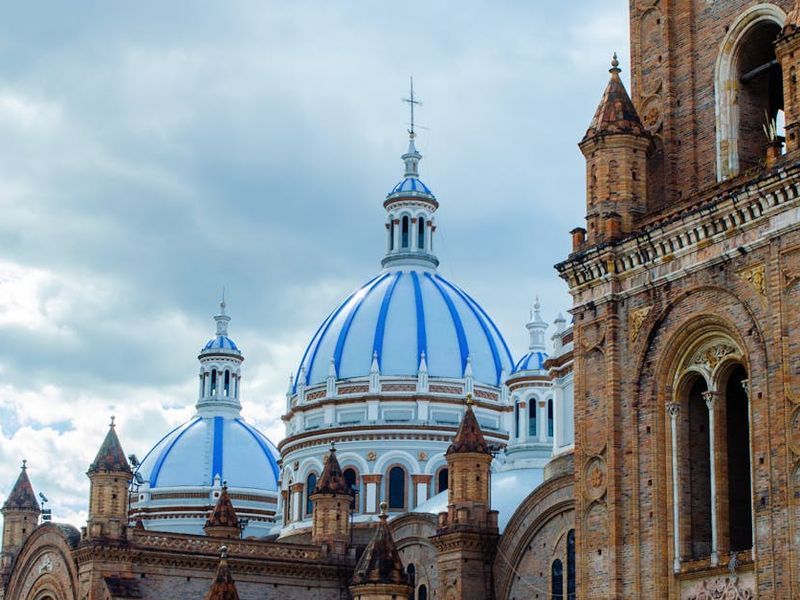
Cuenca, Ecuador’s colonial jewel nestled in the southern Andes, offers more than postcard-worthy streets and blue-domed cathedrals — it’s a city where tradition and innovation meet on the plate. Because of its highland climate and proximity to small farms, Cuenca enjoys a bounty of fresh vegetables, cheeses, Andean tubers and locally raised meats. Local cooks mix Indigenous, Spanish and Afro-Ecuadorian influences to create dishes that are hearty, colorful and full of regional personality.
Whether you want to taste classic Ecuadorian comfort food at a market stall, sip small-batch coffee at a hip café, or reserve a table at a modern farm-to-table restaurant, Cuenca’s dining scene has plenty to offer. This guide breaks down where to go, what to order, and how to eat like a local.
Essential Cuenca Dishes You Should Try
Before diving into neighborhoods and restaurant types, arm yourself with a list of local specialties. Learning a few dish names will make navigating menus easier and make your culinary explorations more rewarding.
- Locro de papa: A velvety potato and cheese soup, often finished with avocado and aji. It’s comfort food for cool Andean mornings.
- Llapingachos: Thick potato pancakes stuffed with cheese, typically served with a fried egg, salad and chorizo or shredded pork.
- Hornado and fritada: Slow-roasted pork (hornado) and fried pork chunks (fritada) that epitomize hearty mountain cuisine—usually served with mote (hominy), plantains and pickled onions.
- Cuy: Roasted guinea pig, a traditional celebratory dish in the highlands. If you’re curious, try it at a specialist restaurant where it’s prepared respectfully.
- Empanadas de viento: Light, fried cheese empanadas dusted with sugar — a popular snack or breakfast item.
- Helado de paila: Hand-churned ice cream made on a large metal pan cooled by ice; flavors range from Andean fruits to more familiar options.
- Mote: Boiled hominy served as a side; it appears across main dishes and in soups.
Where to Find Authentic Local Eats: Markets and Street Food
To immerse yourself in the flavors of Cuenca, head to the city’s mercados (markets) and plazas. Markets are the social centers where vendors sell fresh produce, cheeses, breads and ready-to-eat dishes. Look for a bustling central market near the Old Town where locals gather; arrive in the morning for the freshest options.
Market stalls are ideal for trying snacks like empanadas de viento, humitas (steamed corn tamales), and small plates of hornado or fritada. Vendors often serve generous portions at very low prices — an excellent way to taste many dishes without breaking the bank. When ordering at a stall, try pointing to a live display or a neighboring plate if the vendor speaks limited English.
Neighborhoods and Dining Scenes: Where to Go
Cuenca’s dining scene is neighborhood-driven. Each area offers a different vibe and culinary focus, so choose your destination based on the kind of meal you want.
- El Centro (Parque Calderón and surrounding streets): The historic core is home to many cafés, traditional restaurants and rooftop terraces with cathedral views. Great for people-watching and a mix of classic and tourist-friendly options.
- Calle Larga: Known for lively nightlife, Calle Larga also hosts a variety of pubs, tapas-style bars and casual restaurants — perfect for a bar-hopping dinner or late-night snack.
- San Sebastián: A residential, leafy neighborhood favored by locals and expats that offers cozy cafés, bakeries and family-run eateries with authentic recipes.
- Turi and the Miradores: Out on the hillside, restaurants with panoramic views of the city are ideal for sunset dinners and grilled specialties.
- New Town (modern commercial areas): Newer shopping and dining centers feature international cuisine, sushi, and upscale options for those craving variety.
Fine Dining and Farm-to-Table: Elevated Experiences
Cuenca’s culinary talent extends to contemporary kitchens that emphasize local sourcing and seasonal menus. Farm-to-table chefs collaborate with nearby farmers to create tasting menus that highlight Andean vegetables, fresh herbs, artisanal cheeses and locally raised meats. These restaurants often rotate dishes weekly, so menus are a reflection of the current harvest.
If you want a special-occasion meal, book ahead—these spots usually seat fewer guests and have set dining times. Ask for the tasting menu paired with Ecuadorian wines or craft cocktails that incorporate native fruits like tumbo (banana passionfruit) or naranjilla.
Cafés, Coffee Roasters and Bakeries
Cuenca takes coffee seriously. High-elevation beans from Ecuador’s southern provinces produce clean, bright cups with floral and citrus notes. The city has seen a growth in micro-roasters and specialty cafés where baristas will chat about origin, roast date and brew method.
For a morning ritual, stop into a local panadería (bakery) for fresh bread and a steaming café con leche. Look for places offering traditional sweets and pastries as well as modern creations. Don’t miss trying a scoop of helado de paila from a vendor who still makes it by hand — it’s a regional technique worth savoring.
Nightlife, Bars and Craft Beer
Cuenca’s bar scene blends low-key cocktail lounges with craft-beer pubs. Local breweries are experimenting with ingredients like Andean herbs and native fruits, producing seasonal ales and refreshing lagers. Many bars near Calle Larga and the central plaza also serve small plates and shareable snacks — ideal for tasting multiple flavors in one evening.
If you enjoy wine, several wine bars and restaurant lists emphasize South American varietals, and you can find knowledgeable staff who will recommend pairings with Ecuadorian dishes.
Vegetarian, Vegan and Gluten-Free Options
While traditional highland cuisine is meat-forward, Cuenca’s growing international community means there are many vegetarian and vegan choices. Specialty restaurants and cafés offer plant-based takes on Ecuadorian favorites — think vegan llapingachos or vegetable locro with coconut milk. For gluten-free needs, rice, corn-based dishes and many soups are safe bets, but always communicate allergies clearly. A simple phrase to learn in Spanish: “Tengo alergia a…” (I have an allergy to…).
How to Choose the Best Restaurant for Your Mood
Consider the following when deciding where to eat:
- Atmosphere: For scenic dinners, seek out terraces near the cathedral or at Turi. For energetic nights, Calle Larga’s bars draw crowds.
- Budget: Markets and family-run ‘comedores’ give great value; fine dining will cost more but provides a curated experience.
- Authenticity: Small local restaurants and market stalls generally offer the most authentic flavors.
- Dietary needs: Look for cafés and restaurants that display vegetarian or gluten-free options on the menu.
Practical Tips for Dining in Cuenca
Follow these local tips to make the most of your meals:
- Hours: Lunch is the main meal of the day, often served from 12:00–3:00 pm, and many traditional spots close mid-afternoon. Dinner generally starts around 7:00 pm.
- Reservations: Make a reservation for popular restaurants, weekend dinners, or groups. Fine-dining places especially can fill up.
- Payment: Cash is still widely used, especially in markets and small eateries. Many restaurants accept cards, but always check before ordering expensive bottles or large meals.
- Tipping: A 10% tip is customary at sit-down restaurants if service isn’t included. Smaller places and market stalls typically do not expect tips.
- Language: Spanish is the norm. Learning a few food phrases and basic questions will go a long way toward better service and local connections.
- Sourcing: If sustainability matters to you, ask about sourcing. Many chefs proudly use local farms and artisanal producers.
Sample Two-Day Food Itinerary for Food Explorers
Here’s a practical itinerary to taste a spectrum of Cuenca flavors in two days.
Day 1: Classic Flavors and Market Finds
Morning: Start at a central café with a pour-over coffee and a sweet empanada. Wander the nearby market to see fresh produce and pick up a quick snack like humita.
Lunch: Head to a market comedor or family-run restaurant for locro de papa and llapingachos, washed down with a jugo de mora (blackberry juice) or fresh fruit smoothie.
Afternoon: Enjoy a sweet break — helado de paila in a fruit flavor or a slice of tres leches cake at a local bakery.
Dinner: Book a table at a rooftop bistro for views of the cathedral as the sun sets. Choose a mixed plate of grilled vegetables and a regional protein, and pair it with a local craft beer or wine.
Day 2: Contemporary Eats and Neighborhood Strolls
Morning: Try brunch in San Sebastián at a café that serves avocado toast with Ecuadorian cheese and a specialty coffee.
Lunch: Explore Calle Larga’s casual eateries. Sample fritada, mote, and aji criollo — savor small plates and chat with locals at communal tables.
Afternoon: Shop for artisanal chocolate or coffee beans to bring home. Many shops package beans from southern Ecuador farms, and staff often offer tasting notes.
Dinner: Treat yourself to a farm-to-table tasting menu. Look for seasonal vegetable preparations, local cheeses, and a dessert that highlights native fruits.
Bringing Local Flavors Home
If you want to recreate the tastes of Cuenca, look for markets selling panela (unrefined cane sugar), aji sauces, locally made cheese and dried Andean herbs. Buying coffee beans or artisan chocolate supports local producers and gives you a delicious souvenir that lasts longer than fridge magnets.
Final Tips: Eat Curiously, Respectfully, and Slowly
Food in Cuenca is about community and tradition as much as it is about flavor. Take time to sit, observe, and ask questions. Locals appreciate respectful curiosity about their dishes and cooking methods. Try small portions of unfamiliar things; vendors are usually happy to provide suggestions and a small tasting.
Whether you’re piecing together a day of market snacks, indulging in a multi-course tasting menu, or sharing plates at a rooftop terrace, Cuenca rewards slow, curious eating. Bring comfortable walking shoes, an appetite, and a willingness to try new things — you’ll leave with a richer sense of Ecuador’s highland culinary identity and a list of favorite flavors that will call you back.
Ready to Taste Cuenca?
From bustling mercados to tranquil terraces, Cuenca offers a layered food experience grounded in local ingredients and culinary creativity. Use this guide as a starting point, follow your nose through the streets, and let the city’s warm hospitality steer you toward memorable meals.