
Table of Contents
Why your neighborhood matters in Cuenca
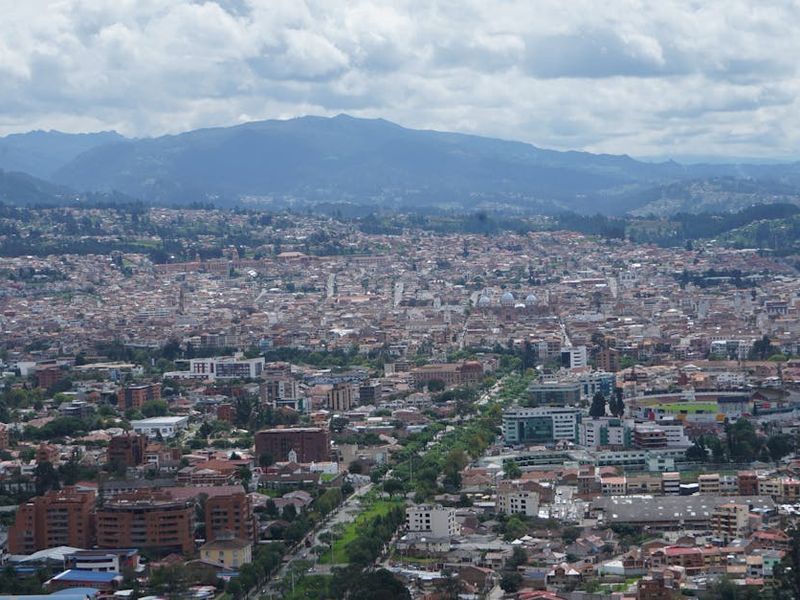
Cuenca is a compact, walkable city perched in the Andes with a mild climate year-round, but neighborhoods vary widely in character. Choosing the right barrio affects daily life: access to healthcare and groceries, noise levels, walkability, safety, and social opportunities. Whether you want colonial charm, modern conveniences, or a quiet place for retirement, Cuenca has distinct areas that suit different expat lifestyles.
How I picked these neighborhoods
This guide focuses on areas popular with international residents and long-term visitors, balancing convenience with quality of life. I considered proximity to hospitals and supermarkets, public transportation and taxis, housing availability, walkability, green space, and the feel of local cafés and markets. Where possible I include realistic rental ranges, safety notes, and tips you can use on the ground.
Centro Histórico — colonial heart, always lively
The Centro (historic center) is perfect if you want to be in the middle of the action. Streets radiate from Parque Calderón and the cathedral, with museums, plazas, artisan shops, and riverside promenades nearby. Apartments here range from beautifully restored colonial units to modern condos above cafes.
Why expats like it: unbeatable atmosphere, short walks to restaurants and cultural events, strong pedestrian life. Downsides: tourist traffic and occasional nightlife noise, higher prices for parking and some apartments. Typical rents for a furnished one-bedroom apartment often start around $350–$600 per month, depending on location and finish.
San Sebastián and Pumapungo — artisan vibe, steep streets
West of the cathedral, San Sebastián mixes narrow, cobbled lanes and artisan workshops. The Pumapungo area (near the archaeological park and museum) is slightly quieter but still very central. This zone attracts creatives and expats who appreciate community life and proximity to markets and smaller specialty shops.
Tips: If you love local crafts and easy access to traditional markets, San Sebastián is a great fit. Be mindful of hillier streets if mobility is a concern, and seek out apartments with modern heating—some older buildings can be damp.
El Batán and Ordoñez Lasso corridor — central with modern conveniences
El Batán sits just south of the center along the Tomebamba River and the busy Ordoñez Lasso corridor. This is a practical choice for expats who want central access but more modern apartment buildings and shopping options. You’ll find supermarkets, pharmacies, and clinics within easy reach.
Why choose it: good balance of city life without the intense tourist density of the Centro. Many apartments here offer elevators, laundry rooms, and secure parking—useful if you plan to stay longer or bring a car.
Ricaurte and north Cuenca — shopping, services, and convenience
Ricaurte is a favorite for expats who prioritize quick access to healthcare, banks, and modern shopping. This sector hosts larger grocery stores, clinics, and a mix of newer apartment complexes and family homes. It’s usually less touristy and feels like a functioning city neighborhood for daily life.
Practical note: If you rely on frequent medical care or want walkable access to big-box stores and pharmacies, Ricaurte’s infrastructure is a major plus. Rent tends to be slightly lower than the Centro for comparable space.
El Vergel and surrounding suburbs — newer housing and quieter streets
Heading a bit farther from the core brings you to neighborhoods like El Vergel, where recent development provides larger apartments and gated communities. These areas attract families and retirees who want more space, green areas, and security features like doormen and guarded entrances.
What to expect: more parking, gardens, and multi-bedroom units. Commutes to the center are still reasonable by taxi or bus, but plan for 10–25 minutes in traffic depending on the hour.
Totoracocha and riverside stretches — affordable, residential, and scenic
Totoracocha and the neighborhoods along the Tomebamba and Yanuncay rivers are often more residential and offer lower rents. You’ll find single-family homes and mid-rise buildings, many with views over the river or city valleys. This zone can be a good choice if you want a quieter, more local experience.
Keep in mind: some streets are narrower and less tourist-focused, so Spanish helps here. Public buses run frequently into central Cuenca, but service occupancy and schedules can vary—try a few rides before committing to a long-term lease.
Choosing for families versus retirees versus singles
Families: Look for neighborhoods with parks, schools, and grocery stores nearby—El Vergel, Ricaurte, and sections of El Batán fit this profile. Seek larger apartments or houses with outdoor space and a secure layout.
Retirees: Many prefer quieter, accessible areas close to clinics and social activities—parts of the Centro, San Sebastián (for social life), or gated communities in El Vergel and northern Cuenca are popular. Proximity to medical services is key.
Singles and younger expats: If nightlife, cafes, and meeting other internationals matter, Centro Histórico and San Sebastián are great. For coworking and a more modern scene, check out parts of Ordoñez Lasso and Ricaurte.
Practical rental tips and what to expect
Short-term rentals (Airbnb, local hostels offering monthly rates) are abundant, but long-term leases will usually be negotiated in person. Typical lease terms are six months to one year with the option to renew. Expect to pay utilities separately—electricity, water, and gas—and consider that hot water often comes from gas heaters or electric boilers.
Rent ranges vary: small furnished studio or one-bedroom downtown can start around $300–$600; larger two-bedroom units or houses in quieter neighborhoods often fall in the $500–$1,200 range. Price depends heavily on finish, location, and included amenities like parking, storage, or furniture.
Healthcare, groceries, and essential services
Cuenca has good healthcare options for a city of its size—public and private clinics, dentists, and specialty doctors. When choosing a neighborhood, note proximity to the clinics and pharmacies you’ll use most. Pharmacies and supermarkets are sprinkled throughout the city, but larger grocery chains and specialty stores are concentrated in Ricaurte and along Ordoñez Lasso.
Local markets are great for fresh produce and social immersion—visit mornings for the best picks. For international groceries, expect to travel slightly farther or shop online for specialty items.
Transportation and getting around
Cuenca is well served by an extensive bus network and inexpensive taxis. Many expats walk or cycle in central neighborhoods; however, hilly streets and altitude are factors to consider. Taxis are generally cheap, but for longer distances or regular trips, a small car or motorbike can be useful.
Tip: Download local taxi apps (and international ride-share if available) and keep small bills for quick rides. If you plan to drive, be aware that parking in the Centro can be limited, and traffic peaks during morning and evening commutes.
Safety and neighborhood vibe
Cuenca is considered one of Ecuador’s safer cities, but petty crime like pickpocketing can occur—especially in busy tourist areas and markets. Choose neighborhoods with street lighting, secure building access, and friendly neighbors. If safety is a top priority, look for buildings with doormen or gated communities in the suburbs.
Observe neighborhood life at different times of day—mornings, afternoons, and evenings—to gauge noise from traffic, businesses, and nightlife before signing a lease.
Utilities, internet, and connectivity
Internet service providers in Ecuador include national companies and private ISPs; fiber and cable services are increasingly common in Cuenca. Ask a landlord about average speeds and any data caps. Mobile networks (Claro, Movistar, others) provide good coverage across the city for calls and data.
Power outages are uncommon but can happen during heavy rains. Consider backup options if you depend on stable connectivity for work, such as an uninterruptible power supply (UPS) for critical equipment or a mobile hotspot.
Steps to take before signing a lease
- Visit at different times of day to check noise and safety.
- Ask about monthly utility averages and what’s included.
- Confirm proximity to services you use most—grocery, clinic, bank.
- Check water pressure and hot water system—some buildings have intermittent hot water.
- Test internet speed at the unit and ask about backups.
- Clarify parking, storage, and pet policies in writing.
Final checklist: matching your priorities to a barrio
To pick the right neighborhood for your stay in Cuenca, list your top three priorities (e.g., proximity to clinics, easy walking access to shops, quiet evenings). Use that list to compare Centro Histórico’s vibrancy, San Sebastián’s artisan charm, Ricaurte’s services, El Vergel’s newer housing, and riverside neighborhoods’ affordability.
Make a short-term stay in your preferred area first if possible. Living in a neighborhood for a month gives you the best insight into daily rhythms and whether you’ll feel at home. In Cuenca, neighbors and neighborhood markets are often the quickest route to feeling integrated—so get out, explore, and ask locals for their best tips.
Ready to start your search?
Begin by touring apartments in two or three neighborhoods that match your priorities. Use local Facebook groups and expat forums to ask about recent experiences and listings. With a little neighborhood reconnaissance and these practical tips, you’ll find a barrio that suits your lifestyle—whether that means sipping coffee by the cathedral, gardening in a quiet yard, or settling into a modern apartment with easy access to services.
Cuenca offers a remarkable range of living choices for expats. The right neighborhood will help you enjoy the city’s cultural richness, comfortable climate, and friendly community life—so take your time, explore, and choose the barrio that feels most like home.