
Table of Contents
Why timing matters in Cuenca
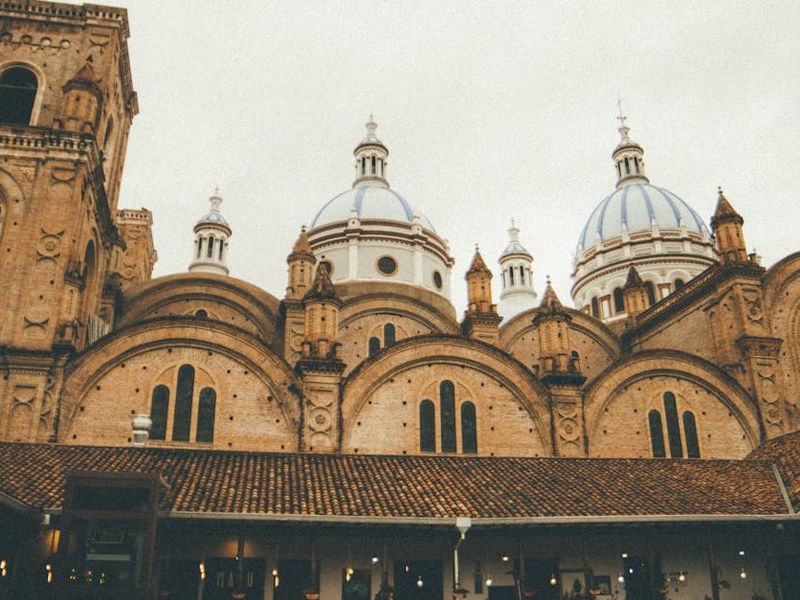
Cuenca is often called Ecuador’s cultural heart — a compact colonial city with cobblestone streets, blue-domed cathedrals, and an easygoing expat community. But because it sits high in the Andes (roughly 2,500–2,600 meters above sea level), the city’s character changes through the year. Your experience depends on when you arrive: weather affects hiking, festivals shape the city’s energy, and peak seasons influence prices and hotel availability.
Two simple seasons: wet and dry
Unlike temperate climates with four distinct seasons, Cuenca has two main patterns: a drier period and a wetter period. The dry season typically runs from June through September. Expect more blue skies, lower humidity, and excellent conditions for outdoor activities like trekking in El Cajas National Park. The wetter season usually spans from roughly October through May, with frequent afternoon showers and greener landscapes that photographers and nature lovers adore.
What “dry” really feels like
Dry months aren’t desert-like — mornings can still be misty and nights cool — but rainfall is less frequent, and you’ll see crisp visibility for mountain views. This is the best time for long day hikes, scenic drives, and rooftop-scenic photography without sudden downpours forcing you inside.
What to expect in the wet months
The rainy season brings dramatic cloudscapes, vibrant greenery, and fewer tourists. Afternoon showers can be heavy but are often short-lived. If you don’t mind packing a lightweight rain jacket and flexible plans, wet months reward you with quieter museums, discount rates, and an emerald countryside that’s at its most photogenic.
Month-by-month guide: picking the best window
Here’s a practical month-by-month look so you can match your priorities — hiking, festivals, fewer crowds, or budget travel — to the right time to visit Cuenca.
- January–February: Typically part of the wetter season. Days can be warm and lush; afternoons often bring rain. Good for cultural visits and lower hotel rates. Expect more local activity and fewer international tourists.
- March–April: Rain continues, but mornings can be clear. Semana Santa (Easter week) draws domestic visitors — plan ahead if your trip overlaps.
- May: A transitional month: rain lessens toward the end of May and prices can still be reasonable. Good for bargain hunters who want some dry days.
- June–September: The clearest and most reliable weather window. Perfect for hiking El Cajas, exploring city viewpoints like Mirador Turi, and photography. Expect more tourists and slightly higher prices.
- October: Another transition month with increasing rain; however, it’s a great shoulder month for lower crowds and still-pleasant mornings.
- November–December: Rain returns, but November often features lively civic and cultural events that showcase Cuenca’s traditions. Holiday travel in late December increases demand.
Festivals, holidays, and local rhythms
Beyond weather, local festivals shape the best time to go. Religious holidays like Semana Santa bring processions, special food, and increased travel within Ecuador. National and local celebrations around late spring and autumn can create vibrant street life. If you want to experience Cuenca’s culture — parades, artisan markets, and live music — try to align your visit with a festival. If you prefer quiet mornings in the cathedral plaza, avoid the busiest local holiday dates.
Insider tip on crowds
Domestic travel spikes during holidays and school vacations. The dry season draws international visitors and expats, especially July and August. If you want both clear skies and small crowds, target late May or early October when conditions are often pleasant but fewer tourists are in town.
Outdoor activities by season
Your chosen activities should influence timing as much as weather. Hiking, birdwatching, and scenic drives are best during the dry months when trails are less slippery. Photography of the turquoise lakes in El Cajas and panoramic shots from Mirador Turi benefit from clear air.
Hiking and nature
El Cajas National Park — a highland páramo full of glacial lakes — is accessible year-round, but the dry season provides safer, dryer trail conditions. Rainy months add mossy, dramatic vistas and fewer hikers, which can be ideal if you’re prepared with waterproof gear.
City strolling and heritage sites
Cuenca’s UNESCO-listed historic center is delightful throughout the year. Narrow streets, artisan workshops, and the riverside area along the Tomebamba River are pleasant with a light drizzle or a sunny day. Plan outdoor market visits in the morning when stalls bustle and produce is fresh.
Practical packing list for Cuenca
Packing for Cuenca is about layers and adaptability. Weather can change multiple times in a day because of altitude, so be ready for sun, wind, and rain.
- Light fleece or sweater for cool evenings (temperatures can dip at night)
- Waterproof shell or compact umbrella for sudden showers
- Strong walking shoes with good grip for cobblestones and trails
- Sunscreen and a brimmed hat — UV is stronger at altitude
- Reusable water bottle and small daypack for excursions
- Basic medication and altitude-aware items (if you’re sensitive, travel slowly on arrival)
Health and altitude considerations
Cuenca’s elevation is high enough that visitors sometimes notice mild symptoms: slight breathlessness during exercise, disrupted sleep, or headaches. Most healthy travelers acclimatize quickly. To minimize discomfort, take it easy the first day, stay hydrated, avoid heavy meals and alcohol immediately on arrival, and pace outdoor activities. If you have chronic heart or lung issues, consult your doctor before travel.
Budget and crowds: when to find better deals
Travel costs generally peak in the dry season and around major holidays. If budget is important, travel in the shoulder months (May, October, early November) or the heart of the wet season when hotels and tours often lower prices. Keep in mind that lower prices in rainy months come with a trade-off: fewer clear days for hiking and scenic photography.
Getting around and day-trip options by season
Cuenca serves as a great base for exploring the southern Sierra. From the city, you can take day trips to:
- El Cajas National Park — lakes, trekking, and highland scenery
- Traditional artisan towns — jewelry-making in Chordeleg and weaving in Gualaceo
- Local coffee farms — many offer tours year-round
- Riverfront walks and neighborhood exploration in the historic center
During the dry season these trips are straightforward; during the wet months allow extra travel time for muddy roads and occasional closures. Private or shared shuttle services operate year-round, and local buses provide budget options for day trips.
Where to watch the best sunsets and photograph Cuenca
Clear dry-season evenings make for iconic sunsets over the city’s skyline. Mirador Turi is a classic panoramic spot that looks over the red-tiled roofs and blue cathedral domes. Another great approach is to walk the riverbanks along the Tomebamba — the interplay of bridges, bridges’ reflections, and colonial facades makes for timeless images any season, but especially vivid on crisp, dry afternoons.
Sample itineraries by weather preference
If you’re planning a 3-5 day stay, here are two quick itineraries depending on weather preferences:
For dry-season travelers (June–September)
- Day 1: Historic center walking tour, cathedral visit, local market lunch
- Day 2: Day trip to El Cajas for a moderate hike and lake views
- Day 3: Artisan towns or coffee farm tour, evening at Mirador Turi
- Day 4: Explore museums and culinary scene, relaxed riverfront stroll
For wet-season travelers who like fewer crowds
- Day 1: Museum and church visits, indoor artisan workshops
- Day 2: Morning market visit and café hopping; afternoon siesta and rain-friendly city exploring
- Day 3: Short excursion to nearby town (allow flexible timing) or guided birding tour in filtered light
- Day 4: Relaxed photography at dawn; shop for handicrafts and jewelry
Final tips for choosing your Cuenca dates
Match your priorities to the months: pick June–September for stability and clear views; choose the wetter months for lower prices, lush landscapes and local authenticity. Book festivals or holiday periods in advance if you want to join the celebrations, and consider shoulder months if you seek a balance of good weather and fewer crowds.
Most importantly, pack for layers, keep plans flexible, and allow time to savor both the historic streets and the surrounding highland scenery. Whether you arrive for a sunny hike in El Cajas or a quiet cultural immersion during a soft, rainy week, Cuenca rewards visitors year-round — each season with its own color and mood.
Safe travels, and enjoy discovering the rhythms of Ecuador’s highlands from Cuenca’s charming plazas and mountain-backed horizons.