
Table of Contents
Why timing matters when visiting Cuenca
Cuenca sits high in the Andes at roughly 2,500–2,600 meters (about 8,200–8,530 feet), and that elevation shapes everything from the weather you’ll experience to the festivals and outdoor opportunities available. Unlike coastal beach destinations that follow a simple hot-or-cold rhythm, Cuenca offers mild temperatures year-round with two broad seasons: a wetter stretch and a drier stretch. Choosing when to visit affects hiking conditions in Cajas National Park, photography of the colonial center, festival crowds, and even lodging prices.
Quick orientation: climate, altitude, and daylight
Temperatures in Cuenca are famously temperate, with daytime highs commonly in the mid-teens to low twenties Celsius (50s–70s °F) and nights that can dip to chilly single digits Celsius (40s °F). Because of the altitude, UV radiation is stronger than at sea level—sun protection is essential even when the sky looks cloudy. Daylight hours vary moderately with the seasons, and cloud cover is the biggest factor for clear-sky photography.
Dry vs rainy season — the basics
There are two practical seasons:
- Dry season (roughly June–November): sunnier days, cooler nights, and generally clearer skies. This is the best stretch for hiking, biking, and photography.
- Rainy season (roughly December–May): more frequent afternoon showers and dramatic green landscapes. This is low season for tourism (except during Easter/Christmas) so you’ll find quieter streets and better deals.
The transitions (May and November) can be unpredictable — expect a mix of sun and showers.
Month-by-month planner: what to expect and why you might visit
January–February
These are typically wetter months. Mornings can be pleasant and bright, but rain becomes more likely in the afternoons and evenings. The countryside is lush and waterfalls are full — great if you want verdant scenery and don’t mind occasional wet weather. Fewer tourists mean easier reservations and friendlier prices.
March–April
Rain continues but starts tapering toward April. Holy Week (Semana Santa), which falls between March and April depending on the year, is one of the most important religious celebrations in Ecuador. Cuenca’s processions and cultural events draw local visitors and can be a rewarding time to witness traditions, though hotels can fill up, especially for the long weekend.
May
May is a shoulder month. Rainfall decreases and trails begin to dry — a good compromise between the low-season savings of wet months and the clear skies of the coming dry season. Photography and hiking become easier, but bring a waterproof layer for occasional showers.
June–August (peak dry season)
This is the most popular time for international visitors. Clear mornings and less rain make it ideal for highland treks in Cajas National Park, birdwatching, and visiting surrounding craft towns like Gualaceo and Chordeleg. Expect cooler nights, especially in June and July, so pack warm layers. Because this is high season, book accommodations and tours in advance.
September–October
Late dry season often offers the best mix of clear weather and fewer crowds than July. Photographers love the crisp skies and golden light. October begins to see a slight uptick in rainfall toward the end of the month, but conditions remain generally favorable for outdoor activities.
November
November bridges the dry and rainy seasons. The first part of the month can still be quite pleasant. Early November is also an important civic time — many cities in Ecuador celebrate independence or regional festivities — so you may encounter parades or local fairs. Mid- to late-November tends to turn greener and cloudier as the rains start returning.
December
Rain returns in force for many days, though you’ll still enjoy sunny pockets between showers. Festive celebrations around Christmas and New Year bring local energy to plazas and restaurants. If you don’t mind a few wet afternoons and want to experience local holiday customs, December can be charming and quieter for tourists.
Festivals and cultural timing — plan around the events you want to see
Choosing your dates by local events can make your trip memorable. Semana Santa features elaborate processions and traditional foods. Early November often includes civic celebrations and city events — these change year to year, so check local calendars. Christmas and New Year bring family gatherings, markets, and special meals. If you prefer the city without festival crowds, avoid large national holidays and major religious observances.
Outdoor activities and the best seasons for each
Different activities pair naturally with different seasons:
- Hiking and trekking (Cajas National Park, surrounding páramo): best in the dry months (June–September) for firm trails, fewer mud sections, and clear views of highland lakes.
- Birdwatching: the dry season gives the best visibility, but the wet season can bring migrant and breeding birds to lower valleys — a tradeoff between clarity and diversity.
- Photography of the historic center: Sunrise and late afternoon in the dry season give the most consistent golden light; rainy season skies add drama and reflections after showers.
- Craft markets and day trips (Gualaceo, Chordeleg, Ingapirca): year-round, though access to some mountain routes is easier in the dry months.
Packing smart for Cuenca’s highland weather
Layers are your best friend. Even in summer-like daytime temperatures, mornings and nights are chilly. Essentials include:
- A lightweight waterproof jacket — sudden showers are common even in shoulder months.
- Warm mid-layer (fleece or sweater) for evenings and higher altitudes.
- Sun protection: sunscreen, sunglasses, and a wide-brimmed hat for strong UV at altitude.
- Sturdy walking shoes for cobblestones and trails.
- Medication for altitude sensitivity if you’re prone to it; consult your doctor about acetazolamide if you plan strenuous climbs.
Practical tips: health, money, transport, and where to stay
Acclimatize slowly: if you arrive directly from sea level, take a relaxed first 24–48 hours, drink plenty of water, and avoid heavy exertion until you feel comfortable. Tap water in Cuenca is treated in many areas, but many travelers prefer bottled water — follow your personal comfort level.
Cuenca’s historic center is highly walkable. Staying inside or near the Centro Histórico places you within easy reach of Plaza Calderón, the new cathedral, riverside walks along the Tomebamba, cafés, and artisan shops. Outside the center, quieter neighborhoods tend to offer more space and local markets.
Getting around is easy: taxis are inexpensive and short rides around town cost little. Interprovincial buses connect Cuenca with Quito, Guayaquil, and Loja; domestic flights also link Cuenca to Ecuador’s major cities, though schedules change, so check close to travel dates. For day trips to places like Ingapirca and the highland lakes, small-group tours and private drivers are common and convenient.
Food, markets, and cultural must-dos any time of year
Cuenca’s culinary scene mixes Andean staples and international options. Don’t miss local specialties like llapingachos (potato patties), hornado (roast pork), and regional sweets. A classic Cuenca experience is helado de paila — ice cream churned in a large copper pan using cold mountain water or ice and fruit flavors — often sold near plazas or artisan markets.
Markets are lively year-round. The Mercado Central and small neighborhood markets offer fresh produce, local cheeses, and street food. For handicrafts, plan a trip to nearby artisan towns: Chordeleg is famous for silver filigree and jewelry, and Gualaceo offers textiles and woven goods. These day trips are easier in the dry season, but shops are open year-round.
Photography and what to expect from the light
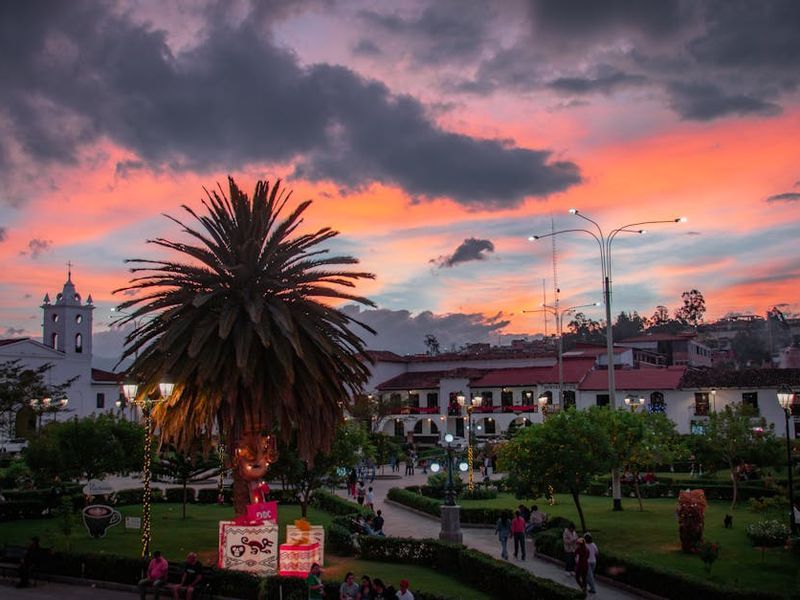
If photography is a priority, aim for the dry season for predictably clear skies and crisp mountain backdrops. Early mornings around the New Cathedral and along the Tomebamba River deliver soft light. Rainy months offer dramatic skies and reflective streets which can be evocative for moodier, more atmospheric shots — just keep gear dry with weatherproof covers.
Budgeting: When you’ll save or spend more
Peak demand (June–August and major religious holidays like Semana Santa and Christmas) lifts hotel prices and fills small boutique properties. The rainy months (especially January–April, excluding Easter) tend to be quieter with better room availability and occasional discounts. If you want the best rooms in the Centro Histórico without the crowds, consider shoulder months like May or September–October.
Final decision guide: choose what matters most to you
Pick the dry season if:
- You prioritize hiking, birdwatching, and clear mountain vistas.
- You want reliable sunny days for photography.
- You’re planning outdoor adventures like cycling the countryside or multi-day treks.
Pick the rainy season if:
- You prefer fewer tourists and lower prices.
- You love lush green landscapes and fuller waterfalls.
- You’re happy to plan around afternoon showers and enjoy cultural events that fall in the wet months.
Quick checklist before you book
- Check local event dates (Semana Santa, national holidays) to either join or avoid crowds.
- Book accommodations ahead for June–August and major holidays.
- Pack layers, waterproofs, and sun protection for variable highland weather.
- If you plan strenuous high-altitude activity, prepare for acclimatization and consult a doctor about altitude medicine if needed.
- Reserve guided trips to Cajas or Ingapirca in the dry season for best trail conditions.
Wrap-up: when is the best time?
There’s no single “best” month — it depends on whether you value sunny hiking days, festival experiences, or lower prices and lush scenery. For a first visit focused on outdoor exploration and photography, aim for the dry season (June–September). If you’d rather travel with fewer tourists and don’t mind a few showers, the rainy months offer quiet plazas, greener valleys, and cultural authenticity. Wherever you land on the calendar, Cuenca’s colonial charm, friendly cafés, and accessible day trips make it a rewarding destination year-round.
Ready to plan your trip? Decide whether you want clearer skies or quieter streets, and use this month-by-month guide to pick the Cuenca experience that matches your travel priorities.