
Table of Contents
Why Cuenca’s Historic Center Deserves a Spot on Your Travel List
Cuenca’s historic center, officially inscribed as the “Historic Centre of Santa Ana de los Ríos de Cuenca” by UNESCO, is a rare example of an Andean colonial city that has preserved its urban fabric, plazas, churches, and riverside neighborhoods. The city’s compact grid, stone bridges and mixture of colonial, Republican and vernacular architecture create a living museum that’s easy to explore on foot. Whether you’re an architecture buff, a photographer, or a traveler who loves slow discovery, Cuenca rewards a careful, wandering visit.
What UNESCO Recognized: The Big Picture
UNESCO’s inscription highlights Cuenca’s well-preserved layout and the continuity of its urban ensemble: plazas, main avenues, churches, convents and residential blocks that reflect urban planning from colonial times through the 19th century. The designation isn’t about a single monument — it’s about the overall historic fabric and how the Tomebamba River, the plazas and the narrow streets interact to form a distinct urban identity in the highlands of Ecuador.
Top Architectural Highlights You Shouldn’t Miss
Catedral de la Inmaculada Concepción (the New Cathedral)
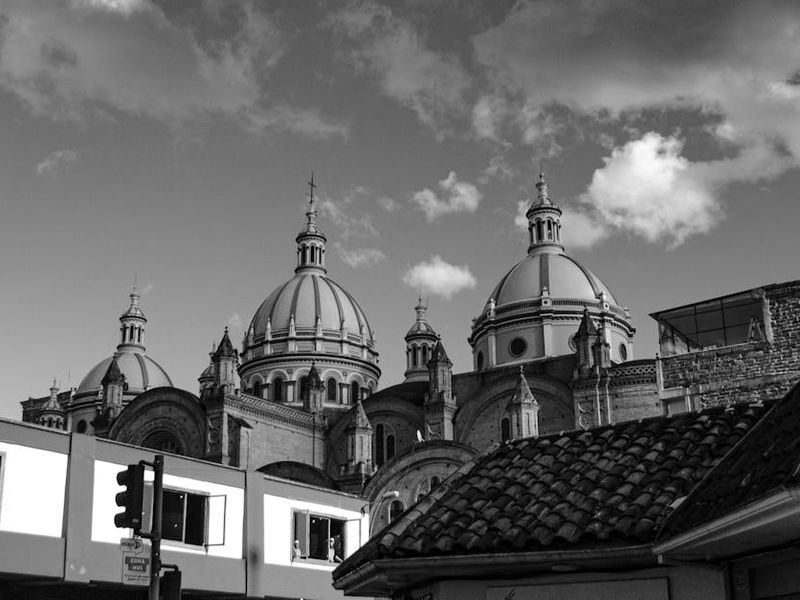
Arguably the city’s most iconic image, the New Cathedral stands out with its striking blue-and-white domes visible from many viewpoints. Walk inside to appreciate the vaulted spaces, stained glass and carved altarpieces. For photographers, the eastern and western facades catch beautiful light at sunrise and late afternoon.
Parque Calderón and Surrounding Plazas
Heart of the city life, Parque Calderón is flanked by historic buildings, cafés and government offices. Spend time at the park to watch locals, students and street musicians — it’s also a convenient starting point for a walking tour of the center.
El Barranco and the Tomebamba Riverfront
Follow the riverbanks where colonial mansions with wooden balconies cling to the slopes. The contrast of the stone escarpment and the flowing river creates dramatic views. Cross one of the small pedestrian bridges and find quiet stairways that lead up to hidden vantage points and colorful residential streets.
Puente de los Suspiros and Barrio Tradicionales
The wooden footbridge known locally as the Bridge of Sighs is charming and evocative. Nearby streets in traditional districts preserve timber balconies, carved doors and small courtyards. These neighborhoods are ideal for photographing details and observing daily life away from busier tourist paths.
Museo Pumapungo and Archaeological Traces
Run by the national central bank, Museo Pumapungo combines ethnographic displays with archaeological remains: indigenous terraces, Inca stonework and artifacts pulled from the region. The museum’s gardens and restored Inca terraces are quiet places to contemplate the deeper history under the colonial city.
Convent of the Conceptas and Colonial Art
Step inside the convent museum to see a collection of sacred art, colonial textiles and cloistered spaces that reveal how religious orders shaped the city’s social and architectural patterns. Small museums like this often close on Mondays, so plan ahead.
Practical Walking Itineraries
Cuenca’s historic center is compact and walkable, but cobblestone streets and unexpected stairways make it best explored on foot at a relaxed pace. Here are two easy itineraries depending on how much time you have.
Half-Day Highlights (3–4 hours)
- Start at Parque Calderón and circle the New Cathedral to photograph its domes.
- Walk down Calle Larga to feel the pedestrian energy and stop at a café.
- Descend toward the Tomebamba, cross a pedestrian bridge and stroll El Barranco.
- Finish at the Puente de los Suspiros and explore nearby artisan shops.
Full Day Deep Dive (6–8 hours)
- Begin at Museo Pumapungo to see the archaeological terraces and displays.
- Head to the Convento de las Conceptas for colonial art and cloisters.
- Lunch in a traditional comedor near Calle Larga (try locro or mote).
- Afternoon visit to Museo Municipal or a small gallery, followed by a sunset view from the Turi viewpoint.
Photographer’s & Architecture Lover’s Tips
For the best photos of the cathedral domes take advantage of golden hour from Plaza Calderón or a riverside terrace. Look for details: carved wooden balconies, ornate ironwork on gates, tilework and interior altarpieces. Use a sturdy pair of shoes; many lanes are cobbled and can be slippery after rain. If you want aerial views, remember drone regulations in Ecuador can be strict — check local rules and ask permission when flying near heritage sites.
Local Transport, Timing and Getting There
Cuenca sits at about 2,560 meters (8,400 feet) above sea level, so give yourself an easy first day to acclimate. The city is accessible by direct flights from Quito and Guayaquil (small domestic terminals), and long-distance buses link the city to the rest of Ecuador — buses from Quito are overnight or long daytime journeys, while Guayaquil is a shorter trip. Once in the city center everything is easily reached on foot; taxis are inexpensive and apps like Uber operate in Cuenca for longer trips or when you need to speed up transfers.
Opening Hours, Costs and Practicalities
Ecuador uses the U.S. dollar, which makes entry fees and meals easy to plan. Small museums and churches typically charge modest fees — expect amounts in the range of $2–$10 for most attractions, though prices can change. Many museums are closed on Mondays; churches may open for services and then close for cleaning. Bring small bills, and have cash on hand for markets and taxis that may prefer it.
Where to Eat and Take Breaks
Cuenca’s historic center has cafés and restaurants that cater to both local tastes and international palates. For an authentic experience try market stalls near Mercado 10 de Agosto for hearty local soups like locro (potato and cheese soup) and hornado (roasted pork) in nearby food courts. For a leisurely lunch, choose a terrace overlooking the river to enjoy the architecture and the people-watching. Coffee shops serve excellent Ecuadorian beans — ideal for a midday break between museums.
Respect, Sustainability and Responsible Sightseeing
Being a UNESCO site means this area is both culturally significant and home to many residents. Be mindful of noise in residential streets, avoid littering, and ask before photographing people in private spaces. Support small workshops and cooperatives when buying crafts — towns like Chordeleg (jewelry) and Gualaceo (textiles) are nearby and make great day trips for authentic purchases. Never buy archaeological objects or antiques without proper documentation.
Best Times to Visit & Weather Considerations
Cuenca’s climate is temperate year-round, but there are wetter and drier seasons. The dry season (roughly June to September) offers the clearest skies and is ideal for panoramic views. However, shoulder seasons bring fewer tourists and comfortable temperatures. Evenings can be cool due to the altitude; lightweight layers and a rain jacket are smart packing choices.
Day Trips that Complement the Historic Center
- Cajas National Park — dramatic highland landscapes and glacial lakes, 30–45 minutes away.
- Ingapirca — Ecuador’s largest Inca ruins, about 70–80 km from Cuenca; excellent for combining pre-Columbian architecture with colonial visits.
- Gualaceo and Chordeleg — artisan towns famed for weaving and silverwork; perfect if you want to see craftspeople at work.
Safety, Accessibility and Visitor Etiquette
Cuenca is one of Ecuador’s safer cities for travelers, but normal precautions apply: watch belongings in crowded markets, avoid poorly lit backstreets at night, and take taxis after dark if you’re unsure of locations. Accessibility varies — many historic streets are stepped or uneven, and some churches have narrow entrances. If mobility is a concern, plan routes in advance and contact museums for accessibility information.
Putting It All Together: A Sample Two-Day Plan
Day 1: Morning at Parque Calderón and the New Cathedral; mid-morning coffee on Calle Larga; afternoon at Museo Pumapungo and the surrounding terraces; sunset at Turi. Day 2: Visit the Convento de las Conceptas and small galleries; walk El Barranco and the Puente de los Suspiros; late afternoon shopping for locally made textiles and silver in small shops or at nearby artisan towns.
Final Thoughts: How to Experience the Historic Center Like a Local
Cuenca’s UNESCO status celebrates the whole urban ensemble more than any single monument. Slow down, stroll without a fixed agenda, and let the city reveal its layered past through doorways, courtyards and riverside views. Ask questions in small museums, buy a coffee from a family-run café, and give yourself time to sit in a plaza and watch the city’s rhythms. That’s when Cuenca’s architecture stops being a list of sites and becomes a lived, breathing cultural experience.
With its compact layout, rich mix of colonial and pre-Columbian traces, and friendly atmosphere, Cuenca is an ideal city for travelers who care about history, authenticity and relaxed exploration. Bring comfortable shoes, a sense of curiosity, and respect for local life — and the Historic Centre of Santa Ana de los Ríos de Cuenca will reward you with discoveries around every corner.