
Table of Contents
Why timing matters in Cuenca
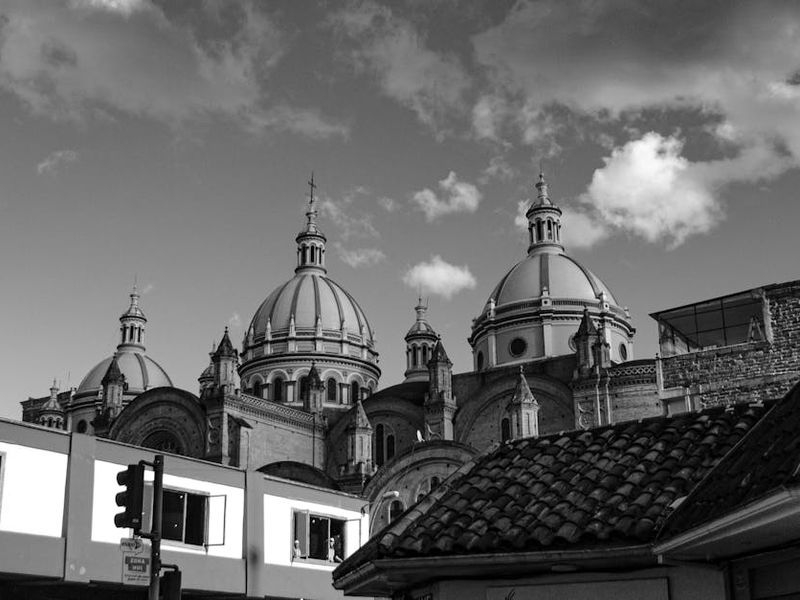
Cuenca sits at about 2,560 meters (roughly 8,400 feet) above sea level in Ecuador’s southern Andes. That elevation gives the city a year-round, springlike feel but also creates clear seasonal patterns that affect everything from daily temperatures and rainfall to busier tourist periods and ideal conditions for hiking in El Cajas National Park. Choosing the right time to visit can mean the difference between foggy cobblestone streets and bright blue skies over the cathedral domes.
Basic climate overview: two broad seasons
While Cuenca’s climate is famously mild, locals and visitors generally think in two main seasons: the wetter season and the drier season. The rainy months typically run from October through May, with frequent afternoon showers and overcast mornings. The drier period, from June through September, tends to bring clearer skies, more sunshine, and cooler nights. However, rain can still occur at any time, so packing layers and waterproof gear is essential.
Typical temperatures you can expect
Daytime temperatures usually hover between 18–22°C (64–72°F), while nights can dip into the single digits Celsius (roughly 40s–50s °F). Because of the altitude, mornings can be chilly and the sun intense during the day — a combination that makes layering the only sensible strategy for most travelers.
Month-by-month breakdown: what to expect and why it matters
Below is a practical month-by-month guide to help you match Cuenca’s weather and local rhythms to your travel goals.
January – Lush landscapes and fewer crowds
January falls in the rainy season, so expect regular showers and a green, refreshed cityscape. This is a quieter month for tourism after the December holidays, which means better hotel rates and more space in museums and restaurants. If you plan to explore El Cajas or go birdwatching, mornings can be clear before the afternoon clouds roll in.
February – Warm days, afternoon rain
February delivers similar conditions to January: pleasant daytime temperatures with intermittent downpours. It’s a great time for cultural visits — stroll the historic center, visit the Museo Pumapungo, and enjoy the city’s cafes without the crowds. Keep a light rain jacket handy for sudden showers.
March & April – Semana Santa and variable weather
These months can be variable. Semana Santa (Holy Week) usually falls in March or April and draws many Ecuadorians on holiday; expect higher prices and booked hotels around that week. Weather-wise, March and April can be among the rainier months, so outdoor excursions may require contingency plans. If you enjoy cultural processions and religious pageantry, this is a fascinating time to visit.
May – Transition month, good shoulder-season choice
May often feels like a transition between wet and dry seasons. Rainfall begins to taper off, and tourist traffic is still moderate. May is a smart compromise if you want generally improving hiking conditions without the June–August crowds.
June, July & August – Dry season and peak outdoor conditions
June through August are considered the best months for hiking, sightseeing, and photography. Skies are clearer, trails in El Cajas are more stable, and long scenic drives are more enjoyable. These months are also popular with domestic tourists and expats, so expect higher prices and busier attractions, especially on weekends and during school holidays.
September – Quiet and still mostly dry
September often mirrors August’s dry, clear weather but with fewer tourists. If you want excellent hiking conditions and a calmer city, this is one of the best times to visit. Daytime temperatures remain comfortable, and you can find better deals on lodging compared with mid-summer.
October, November & December – Rain returns, holiday bustle
October marks the gradual return of more frequent rains, though showers are generally predictable and short-lived. November and December become progressively busier as locals and international visitors return for holiday travel. December brings holiday decorations, special events, and sometimes higher prices — still a festive time to visit if you prefer city energy and celebrations over quieter hiking conditions.
When to go: matching your priorities to the months
To choose your ideal travel window, consider what matters most to you:
- For best hiking and photography: June–September (drier skies, more stable trails)
- For fewer tourists and lower prices: January–May, especially May and September
- For cultural events and local festivals: plan around Semana Santa (March/April) or the December holiday season
- For lush landscapes and lower hotel rates: January–April
Practical travel tips for every season
No matter when you go, a few practical habits will improve your trip to Cuenca.
Pack smart: layers and waterproof gear
Cuenca’s altitude causes big swings between morning chill, warm midday sun, and cool evenings. Bring a warm mid-layer (fleece or light down), a waterproof shell, and sun protection — hat, sunglasses, and sunscreen. Comfortable waterproof walking shoes are a must for the cobbled streets and muddy trails in El Cajas.
Acclimatize to the altitude
At 2,560 meters, many visitors feel mild breathlessness, headaches, or fatigue for a day or two. Take it easy on arrival: drink plenty of water, avoid heavy exertion the first 24–48 hours, and consider mate de coca (coca leaf tea) — a traditional remedy widely available in Ecuador that many people find helpful. If you have heart or lung conditions, consult your doctor before traveling.
Book holidays and weekends early
If you plan to visit during Semana Santa, the June–August dry season, or the December holidays, reserve hotels and tours well in advance. Weekend crowds can also surge as locals from other cities travel to Cuenca for short breaks, especially to popular viewpoints like Turi and the downtown Parque Calderón.
Plan outdoor activities for mornings
Because afternoon showers are common during the wet season and even possible year-round, begin hikes and day trips early. Mornings often offer clearer skies and better visibility for lakes, vistas, and birdwatching.
Top day trips & where timing matters
Cuenca is a great base for exploring several nearby attractions, and the timing of your visit can influence how enjoyable each trip will be.
El Cajas National Park
El Cajas is known for páramo landscapes, glacial lakes, and high-altitude hiking. Visit during the dry season (June–September) for clearer trails and views, though early mornings in the wet season can also be spectacular. Bring warm layers and waterproof boots; weather can change rapidly even on the same day.
Chordeleg and Gualaceo
These artisan towns are famous for silverwork, textiles, and ceramics. They’re accessible year-round, but clearer travel conditions during the dry months make the short drives more pleasant. Markets are lively on weekends, so if you prefer fewer crowds, aim for weekdays.
Turi viewpoint and Tomebamba River walks
Turi provides panoramic views of the city and is especially photogenic during the golden light of dry-season evenings. Walks along the Tomebamba River or the historic bridges are lovely year-round — bring a light jacket for evenings when temperatures fall.
Money, logistics, and transportation tips by season
Transport and logistical concerns also shift with the seasons. Flights into Mariscal La Mar Airport (CUE) can fill up quickly during peak months; buses from Guayaquil are a good alternative and typically take around 3.5–4 hours. Buses from Quito take longer (about 8–10 hours), but overnight options are available.
Local transit and rideshare
Cuenca’s compact center is walkable, but taxis and local buses are inexpensive. In busy months, plan for longer taxi wait times — apps and hotel-arranged rides are reliable alternatives. If you rent a car to explore surrounding valleys, consider the weather: rainy months make some rural roads muddy and slow.
Photography, wildlife, and natural light
For photographers and nature lovers, the season affects light and wildlife behavior.
- Dry months deliver crisp sunrise and sunset colors — ideal for cityscapes and mountain shots.
- Wet months make for dramatic cloudscapes, saturated colors, and lush vegetation.
- El Cajas and nearby páramo habitats are best visited early in the day for birdwatching and clearer skies.
Final checklist before booking
Before you lock in your travel dates, run through a quick checklist:
- What are your priorities: hiking, festivals, crowds, or budget?
- Are you comfortable with altitude adjustments and packing layers?
- Have you checked local holiday dates (e.g., Semana Santa, Christmas) that might affect availability?
- Is your accommodation refundable or flexible in case of weather-driven itinerary changes?
Conclusion: pick the month that fits your style
Cuenca’s mild climate means there is no single ‘wrong’ time to visit — each season has its own perks. If you prioritize outdoor adventures and clear skies, aim for June–September. If you prefer fewer tourists, lower costs, and lush scenery, consider May or the early rainy season months. Wherever you go and whenever you travel, bring layers, plan outdoor activities for the morning, and leave a day or two in your schedule to acclimatize and savor the slow pace of this UNESCO-listed Andean city.
With a little planning around weather and local rhythms, your trip to Cuenca can be one of the most rewarding experiences in the Ecuadorian highlands — full of colonial charm, mountain vistas, and vibrant local life.