
Table of Contents
Overview: Quito to Cuenca — what to expect
Traveling between Quito and Cuenca is one of the most traveled routes inside Ecuador. The two cities sit along the Andean spine but feel different: Quito is high-energy and metropolitan while Cuenca is quieter, colonial and beloved by expats. You can fly, take an interprovincial bus, or drive. Each option has tradeoffs in price, speed, comfort and scenery. This guide breaks down those differences and gives practical tips to make your journey easier.
Quick comparison at a glance
- Plane — Fastest (about 45–60 minutes of flight), more expensive, best if you’re short on time.
- Bus — Cheapest (overnight options), comfortable modern coaches available, travel time typically 8–10 hours depending on route and stops.
- Car — Most flexible for stops and sightseeing, drive time about 8–10 hours depending on conditions; roads are winding in places.
Flying: speed and convenience
Flights between Mariscal Sucre International Airport (UIO) in Quito and Mariscal Lamar (CUE) in Cuenca take about 45 to 60 minutes in the air. Add time for getting to and from airports, security and boarding — for most travelers total door-to-door time will be closer to 3–4 hours.
When flying makes sense
- You have limited time and want to be in Cuenca early the same day.
- You prefer comfort and less motion than an 8–10 hour bus ride.
- You’re connecting to international flights (allow extra time at Quito’s airport to travel to the city center if needed).
Practical tips for flights
- Book in advance for the best fares; last-minute domestic fares can be pricey.
- Domestic flights in Ecuador have luggage weight limits and sometimes charge for checked bags — check before you arrive at the counter.
- Quito’s airport is outside the city (in Tababela) — allow at least 45–60 minutes from central Quito depending on traffic.
- Cuenca’s airport is small; taxis and private transfers are readily available at the arrivals area. Ask your hotel about arranging a pickup if you prefer a fixed fare.
Bus travel: economical and scenic (if you like roads)
Buses are the classic way to travel between Ecuadorian cities. The distance between Quito and Cuenca is roughly 450–500 kilometers by road but the mountainous terrain and winding sections make the trip take about 8–10 hours on most direct services. Overnight departures are common — useful for saving on a night’s accommodation.
Where buses depart and arrive
- In Quito, most long-distance buses to the south leave from the Quitumbe terminal (south of the city). Check departure points on your ticket as some companies use different terminals.
- In Cuenca, buses arrive at the Terminal Terrestre. Taxis from the terminal to the historic center are inexpensive; agree a fare up front or use the official taxi stand.
Comfort levels and prices
You’ll find a range of options from basic economy seats to executive or “cama” style seats with more legroom and recline. Prices vary with comfort and season. Expect budget fares to be the least expensive, and premium buses (more legroom, onboard restrooms, fewer stops) to cost more but shorten a tiring ride.
Bus travel tips
- Book tickets ahead for holidays (Semana Santa, Christmas/New Year) and weekends — buses fill quickly.
- Bring layers: buses can be chilly at altitude or over-night air conditioning can be strong.
- Carry snacks, water, and a small travel pillow for overnight trips. Rest stops are frequent on daytime routes, but bring cash for these stops.
- Keep valuables with you in a small daypack rather than checked luggage if possible.
Driving: freedom, stops and slow lanes
Driving gives you the final say on timing and allows detours to volcano views, highland towns and national parks. The most straightforward route follows the Panamericana (E35) south through Ambato, Riobamba and then past the turnoffs toward Cuenca. Expect the drive to take 8–10 hours under normal conditions.
Why you might drive
- You want to stop at scenic or cultural points along the way (Chimborazo/Riobamba, Alausí and the famous Devil’s Nose train, small markets and roadside restaurants).
- You’re traveling with a group and splitting rental/fuel costs.
- You prefer having your own pace and luggage with you rather than transferring multiple times.
Driving tips and safety
- Drive during daylight to avoid fog, steep curves and road maintenance work that can make night driving slower and riskier.
- Watch for slow trucks and buses on uphill sections; they can create traffic buildups on narrow stretches.
- Fuel stations are common on the main highway but might be sparse in stretches — keep your tank topped up.
- International drivers should have a valid driver’s license, passport, and rental agreement. Check insurance coverage with your rental company.
Scenic stops and detours worth the time
Driving or taking a daytime bus lets you enjoy the Andean landscape. Here are recommended stops:
- Latacunga/Ambato: Good for a coffee, local markets and regional cuisine like hornado and empanadas.
- Riobamba & Chimborazo views: On a clear day the highest point of Ecuador’s tallest volcano, Chimborazo, is spectacular. Riobamba is a gateway town with services and local history.
- Alausí and the Devil’s Nose: If you have time, consider the Alausí/Sibambe area to see the famous Nariz del Diablo engineering marvel and short scenic train excursions.
- Parque Nacional Cajas: A short detour near Cuenca, this páramo landscape offers lakes, hiking and birdwatching — pack warm layers.
Cost comparison and sample budgets
Costs vary with season and booking timing, but these ranges help plan:
- Plane: Expect higher prices for convenience. Book early to find better deals. Include airport transfer costs.
- Bus: The most budget-friendly option. Overnight buses can help save a night’s accommodation.
- Car: Factor in rental price, fuel, tolls and possible insurance upgrades. If traveling with two or more people, costs narrow vs. multiple plane tickets.
Arriving in Cuenca: best ways to get into town
Whether you arrive by plane, bus or car, your first minutes in Cuenca set the tone. Here are practical arrival tips.
From Mariscal Lamar Airport (CUE)
- Taxis and private transfers are common. Taxis in Cuenca often use fixed tariffs to different neighborhoods; ask about the price or get the agreed price in writing from the booth.
- Many hotels in Cuenca offer pickups for a small fee. Provide flight details and arrival time so drivers meet you promptly.
From the Terminal Terrestre
- The bus terminal is a short taxi ride to the historic center. Official taxis have recognizable signage; agree on the fare before getting in if no meter is used.
- If arriving late at night, use an official taxi rank and avoid walking long distances with luggage.
Practical local tips for Cuenca visitors
Cuenca is a welcoming city with a compact historic center. Here are tips to make your stay smoother after arrival.
- Get local currency (USD is Ecuador’s official currency) before leaving Quito if possible, though ATMs and currency services are available in Cuenca.
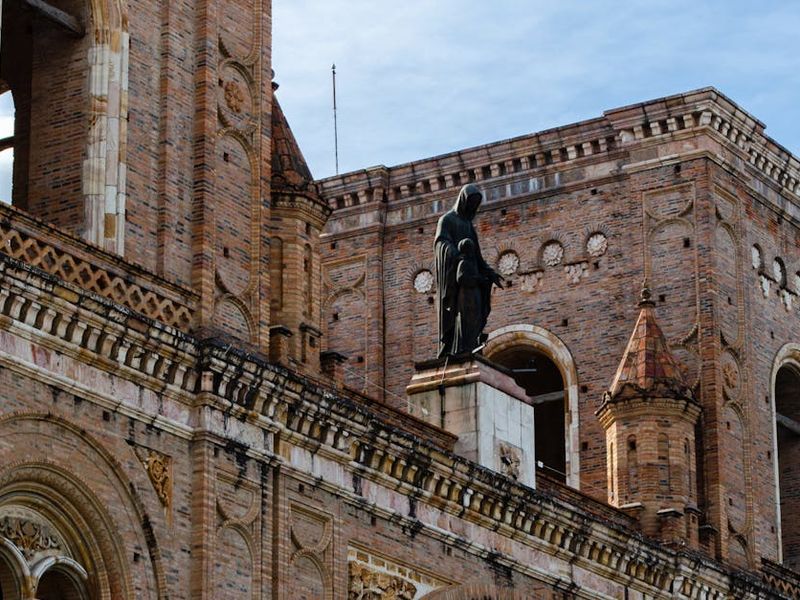
- Explore the Historic Center on foot: Plaza Calderón and the Cathedral with its blue domes are ideal starting points.
- Try local food: aji de gallina, mote pillo, and cuy are specialties; street vendors sell empanadas and fresh juice for a quick snack.
- The city is at about 2,500 meters — if you’ve come from lower altitudes you might feel mild altitude effects; drink water and take it easy your first day.
- Public transport and taxis are inexpensive. If you prefer ride apps, check current availability; many visitors use official taxis for reliability.
When to travel and booking advice
Weather in the Andes can be variable. Cuenca enjoys a fairly temperate climate year-round, while Quito can be chillier and sunnier depending on season. Peak travel times include holidays and long weekends; book early for the best rates. For buses, online platforms and local terminals both offer tickets, but during high season advance online booking avoids sold-out trips.
Environmental and comfort considerations
If you’re concerned about carbon footprint, buses produce less CO2 per passenger than individual car trips or flights. If you choose to drive, carpooling with friends reduces per-person emissions and cost. For comfort, premium buses often provide the best balance of price and amenities on this route.
Sample itineraries
Here are simple sample plans tailored to different needs:
- Short on time (fastest): Early morning flight, afternoon exploring Cuenca’s historic center and local markets, dinner near Parque Calderón.
- Budget traveler: Overnight bus leaves Quito late evening, arrive in the morning refreshed, take a small nap and explore the city.
- Scenic detour: Rent a car, stop at Riobamba for Chimborazo views and Alausí for the Devil’s Nose, spend a night in a small town along the way and arrive in Cuenca refreshed.
Final checklist before you go
- Confirm transportation bookings and check-in times.
- Have local cash on hand for small purchases and bus terminal fees.
- Pack a small daypack with water, snacks, a jacket, and any prescription meds for the journey.
- If driving, confirm rental insurance, emergency numbers and route conditions.
- If flying, check luggage policies and airport transfer options on both ends.
Conclusion
Quito to Cuenca is a classic Ecuadorian journey with options to match any traveler’s needs. Fly if speed matters, ride a bus for a budget-friendly trip with minimal planning, or drive if you crave flexibility and want to stop at countryside highlights. Whichever mode you choose, plan ahead for departures during holidays, allow extra time for airport transfers, and take advantage of the beautiful Andean scenery along the way. Once in Cuenca, walk the historic center, sample the local cuisine, and enjoy the relaxed pace that makes this city a favorite for visitors and expats alike.