
Table of Contents
Why Cuenca Is a Smart Choice for Dental Care
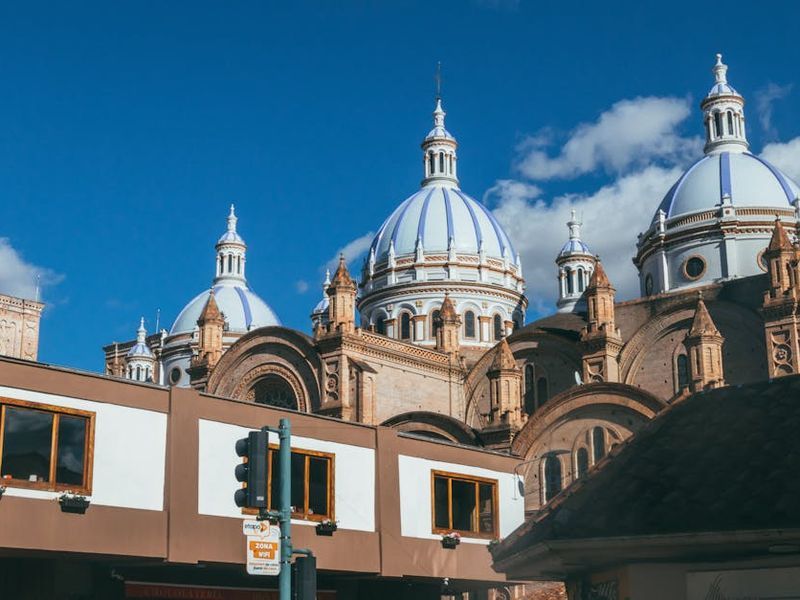
Cuenca, Ecuador, has become a top destination for dental tourism thanks to high-quality clinics, experienced dentists, and a lower cost of care compared with North America and parts of Europe. The city’s pleasant climate, UNESCO-designated historic center, and large expat community also make it easy to combine treatment with a comfortable recovery and a little sightseeing.
Before You Book: Research and Preparation
Successful dental travel starts at home. Take time to collect your dental records, X-rays, a current list of medications, and photos of your smile. These items let international clinics provide more accurate remote consultations and cost estimates.
Ask potential clinics for an itemized treatment plan, including materials (e.g., zirconia crowns, titanium implants), imaging (digital X-rays, CBCT for implants), post-op medications, and warranty or guarantee terms. Also request information on the dentist’s credentials and registration with Ecuadorian professional bodies versus local or international credentialing organizations.
Questions to Ask During a Teleconsultation
- What is the exact timeline and how many visits will I need?
- Which materials and brands are used for implants/crowns and where are they sourced?
- Does the clinic offer sedation or IV anesthesia and how is it administered?
- What happens if I have complications after I return home?
- Can you provide before-and-after photos or patient references?
Choosing the Right Clinic in Cuenca
Cuenca’s top clinics are often clustered near the historic center (El Centro), around Parque Calderón, and along major avenues like Ordoñez Lasso and Avenida de las Américas. While proximity to tourist areas is convenient, prioritize clinics with modern imaging equipment, sterile protocols, and bilingual staff.
Look for clinics that offer digital records, same-day milling for crowns (CAD/CAM), and a clear sterilization policy. Clinics associated with university dentistry programs or that advertise participation in international dental conferences can indicate an ongoing commitment to updated training.
Red Flags to Avoid
- No clear written estimate or refusal to share materials/brands
- Lack of digital imaging or refusal to perform necessary diagnostics
- Unwillingness to provide references or before-and-after cases
- Very high-pressure sales tactics pushing extensive work on arrival
Costs and Payment Options
Cuenca generally offers significant savings over U.S. and Canadian prices, but exact costs depend on the procedure, materials, and clinic reputation. Ask for a written quote that includes any lab fees, follow-up visits, and take-home medications. Many clinics accept cash (USD is Ecuador’s currency), credit cards, and bank transfers.
Before you travel, verify whether your home dental insurance covers any portion of the work or if you can be reimbursed for out-of-country care. If you plan to pay in cash, bring secure payment methods and avoid carrying large sums of money in public. Most areas have reliable ATMs and major banks in central districts.
Travel Logistics: Getting There and Getting Around
Cuenca is served by Mariscal Lamar International Airport (CUE), just south of the city. Flight options may require a connection through Quito or Guayaquil. From the airport, a taxi or pre-arranged transfer to the historic center takes about 20–30 minutes depending on traffic.
Within the city, walking is the most pleasant way to explore the Centro Histórico, but for clinic visits you’ll likely use short taxi rides or ride-hailing services where available. Many expats rely on local taxis or apps; ask your hotel for a reputable driver or use the clinic’s recommended transport service to ensure punctuality for appointments.
Where to Stay During Treatment
Choose accommodation close to your dental clinic to minimize travel after procedures. The historic center around Parque Calderón offers hotels and guesthouses with easy access to cafes, pharmacies, and post-op comforts. If you prefer longer stays, furnished apartments or short-term rentals in neighborhoods like Bellavista or San Sebastián provide kitchen facilities and quieter environments for recovery.
Look for lodgings with elevators or ground-floor access if you expect limited mobility after surgery. High-speed Wi‑Fi is useful for teleconsultations and follow-up with your home dentist.
What to Pack and Practical Tips
Pack a small recovery kit: over-the-counter pain relievers (check interactions with any prescription meds), cold packs, soft foods (instant soups, mashed potatoes), salt for saline rinses, and extra toothbrushes. Bring your prescription medications and a printed (and digital) copy of your travel plan including clinic contact info and appointment schedule.
Consider a local SIM card (Movistar and Claro operate in Ecuador) or an eSIM for reliable data and easy communication with the clinic. Also carry copies of your passport, insurance cards, and emergency contact numbers both on paper and stored securely on your phone.
During Treatment: What to Expect
Initial appointments typically include a full exam, digital X-rays, and a discussion of the recommended plan. For restorative work like crowns or veneers, some clinics offer same-day CAD/CAM milling. Implant procedures normally require staged visits—surgical placement followed by months of healing before the final restoration—though some clinics offer immediate-load options depending on bone quality.
For sedation, confirm the type (oral, nitrous oxide, IV), monitoring protocols, and recovery expectations. If you receive sedation, arrange for someone to accompany you or to collect you from your accommodation after the procedure.
Managing Pain and Healing at High Altitude
Cuenca sits at roughly 2,500–2,600 meters (about 8,200–8,530 feet) above sea level. Higher altitude can increase swelling and sometimes delay healing for a few days. Stay hydrated, avoid heavy exertion for 48–72 hours after surgery, and follow your dentist’s advice on cold compresses and elevation. If you use over-the-counter medications, verify doses with the dentist, especially concerning anti-inflammatory drugs and blood thinners.
Aftercare and Follow-Up
Follow-up visits are crucial. Many clinics include a series of post-op checks in the overall fee, often scheduled 48–72 hours after major work and again a week or two later. Keep all documentation and photographs of the treated areas to help your home dentist assess long-term results.
If you encounter an issue after returning home, contact the Cuenca clinic immediately. Reputable clinics will offer a plan for remote troubleshooting, and some will coordinate with your home dentist for adjustments or emergency care. Verify this policy before you commit.
Combining Treatment with a Comfortable Recovery Weekend
Cuenca is ideal for gentle sightseeing while you recover. The Centro Histórico’s plazas and quiet cafés are perfect for slow outings. If you have a longer healing period, day trips to Cajas National Park for short hikes or a relaxed visit to the nearby thermal baths provide restorative experiences without strenuous activity.
Stick to soft, nutrient-rich foods during the first week—locally made soups, purees, avocado, eggs, and smoothies are widely available. Avoid hot, crunchy, or spicy dishes immediately after dental surgery.
Safety, Legalities, and Local Support
Cuenca is generally safe for tourists and has a sizable expat population that can help with language and logistics. That said, take standard travel precautions: avoid flashing valuables, use registered taxis at night, and secure your accommodation. For legal protections, request a clear consent form and written estimates prior to treatment and keep copies of all receipts and communication.
Verify that the dentist is registered with the Colegio Odontológico del Ecuador or the regional association for Azuay — this helps ensure the practitioner meets national professional standards. If you’re unsure about credentials or need a second opinion, local expat forums and community Facebook groups can be helpful resources.
Checklist: Step-by-Step Dental Vacation Plan
- Gather dental records, X-rays, and photos; schedule teleconsultations with 2–3 clinics.
- Obtain written treatment plans, material details, and warranties.
- Book flights and accommodation near your chosen clinic.
- Pack medications, recovery kit, and travel documents; purchase travel insurance if desired.
- Confirm transport from the airport and plan for appointments needing accompaniment.
- Follow the clinic’s pre-op instructions (fasting, medication adjustments).
- Attend procedures, track post-op appointments, and obtain detailed aftercare instructions.
- Keep digital copies of all records; plan remote follow-ups with the clinic after returning home.
Final Thoughts: Balance Care with Comfort
A dental vacation in Cuenca can deliver outstanding value and a pleasant recovery environment when planned carefully. Prioritize clinics that communicate clearly, use quality materials, and offer transparent pricing and follow-up policies. By preparing well—collecting records, arranging transport, choosing comfortable lodging, and allowing adequate healing time—you’ll maximize the benefits of affordable, high-quality dental care and enjoy everything Cuenca has to offer while you heal.
Whether you’re coming for a single crown, an implant, or a more extensive restorative plan, Cuenca’s combination of skilled professionals and welcoming city life makes it an excellent option for patients seeking an efficient, comfortable dental trip abroad.