
Table of Contents
Why Cuenca is a great place to go green
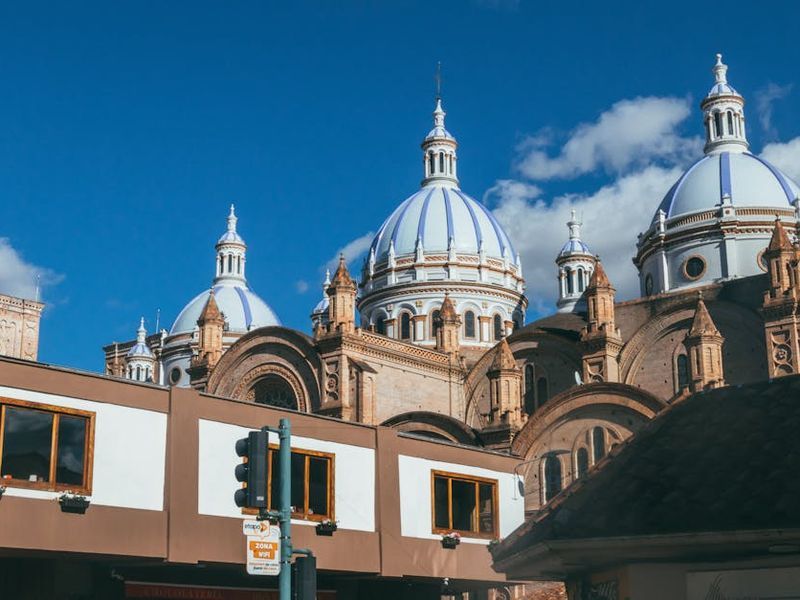
Cuenca’s cool mountain climate, compact historic center and strong local food culture make it one of Ecuador’s friendliest cities for sustainable living. Sitting at about 2,560 meters (roughly 8,400 feet) in Azuay province, the city combines walkable streets, riverside promenades and many small markets where fresh, seasonal produce is available year-round. For expats looking to lower costs and environmental impact, Cuenca offers practical opportunities to live greener without radical lifestyle changes.
Start small: a realistic first-month green checklist
If you’re new to Cuenca and want to adopt an eco-friendly routine, try a one-month plan of small, measurable changes. Focus on five quick wins: bring reusable bags and a tote, switch all bulbs to LEDs, begin separating organic and inorganic waste, reduce bottled water use with a filtered jug, and walk or bus for short trips in Centro Histórico. These habits form a foundation that makes the larger changes — solar panels, rainwater capture, or a rooftop garden — easier later.
Waste reduction and recycling: what actually works here
Recycling infrastructure in Cuenca is improving but still limited compared to many North American or European cities. That said, community solutions are abundant, and expats can make a big impact through consistent habits.
Practical steps at home
- Set up simple bins for organics, plastics/metal/glass, and general trash. Label them in Spanish (orgánicos, reciclables, no reciclables) to help guests or staff follow the system.
- Avoid single-use plastics by carrying a reusable water bottle and a cutlery set; many local businesses will happily fill your bottle.
- Bring reusable produce bags and a canvas market tote for trips to the mercados — vendors are accustomed to customers bringing containers.
Where to take recyclables
Look for local “centros de acopio” (collection points) and periodic municipal recycling drives. Neighborhood groups and private recycling collectors often accept cardboard, PET, aluminum and some glass. If you generate larger amounts (for a rooftop garden or small business), ask around for a private pickup service — small collectors regularly buy sorted recyclables from households. A quick way to find options is to ask at the local municipal office (Municipio de Cuenca) or check community boards in expat Facebook groups and neighborhood WhatsApp chats.
Composting in Cuenca: balcony, courtyard or community garden options
Because organic waste makes up a big part of household trash in Cuenca’s markets and kitchens, composting is one of the highest-impact changes you can make.
Apartment-friendly composting
- Vermicomposting (worm bins) works well indoors or on a balcony. A 40–60 liter bin is a good starter size for two people. Use red wigglers (lombrices) and keep the bin in the shade — the consistent temperatures in Cuenca suit worms if you avoid freezing or direct sun.
- Use a bokashi system if you want rapid fermentation of all food scraps, including meat and dairy. The fermented matter can be buried or composted further.
House or courtyard composting
If you live in a casa with a yard, build a two- or three-bin compost system. Keep a balance of greens (fruit and vegetable scraps, coffee grounds) and browns (dry leaves, cardboard, shredded paper). Turn every week or two to keep the pile aerated and speed decomposition. Finished compost is excellent for container gardens, potted orchids and community planting projects along the Tomebamba or in neighborhood parks.
Energy and household efficiency for highland living
Cuenca’s mild but sometimes chilly climate means many expats worry about heating — in reality, small efficiency adjustments produce big comfort gains and energy savings.
Low-cost conservation moves
- Switch to LED bulbs and smart power strips to avoid vampire loads from chargers and appliances.
- Use thick curtains at night to reduce heat loss through single-pane windows common in older casas of the Centro Histórico.
- Select efficient small appliances — a pressure cooker, insulated thermos (“olla de termos”), and a microwave or slow cooker for one-pot meals use far less energy than an electric oven.
Solar and hot water options
Interest in solar panels and solar water heaters is growing in Ecuador. If you rent, ask the owner about installing a solar water heater or panels — many landlords are open if you present a plan that adds value. If you buy, consult multiple local installers for quotes and references; small, roof-mounted systems (for hot water or for powering lights and a fridge) are feasible in Cuenca’s strong highland sun. For many expats, a hybrid approach — solar water heating plus grid electricity for other needs — offers a fast payback.
Water conservation and rain harvesting
Cuenca generally has reliable municipal water, but conserving yields environmental and cost benefits — and rainwater harvesting is a practical supplement.
Easy water-saving habits
- Install low-flow showerheads and faucets; the small investment pays off quickly if you stay long-term.
- Collect cold water while you wait for the shower to warm up and use it to water plants.
- Fix leaks quickly — even small drips waste water and add to your bill.
Rainwater tips for houses and apartments
If you have a roof, capture rain in food-grade barrels for garden use. In apartment buildings, a communal cistern or simple balcony collection systems for non-potable use (watering plants, cleaning) can be negotiated with neighbors. Always check with the municipality before larger installations to confirm local rules and permit needs.
Green transport: walk, bike and use public options
One of the easiest ways to shrink your footprint in Cuenca is to choose where you live and how you move through the city.
Neighborhood choices that cut travel
When house-hunting, prioritize proximity to the services you use daily. The historic center around Parque Calderón and the riverside paths by the Tomebamba are highly walkable and often preferred by expats because daily errands, cafes, and healthcare are within walking distance. Choosing a place close to work or class cuts commuting emissions and saves money.
Bikes, buses and taxis
- Cuenca’s center is pedestrian-friendly; most short trips are faster on foot than by car. Taxis are affordable for late-night returns and short rides — ask the driver to use the meter and confirm the fare for longer trips.
- Public buses are inexpensive and cover much of the city. Learn the routes and keep small change handy.
- Biking is increasingly popular. Start with quieter streets and riverside paths. A good lock and lights are wise investments.
Food, shopping and supporting local economies
Eating with the season and buying local are two of the highest-impact, low-stress ways to live sustainably in Cuenca.
Markets, organic fairs and seasonal eating
Cuenca’s numerous mercados and neighborhood produce stalls sell fresh vegetables, fruits and herbs year-round. Regular organic or ecológica fairs (ferias ecológicas), artisan markets and farmers who bring produce into the city offer excellent options for buying with low food miles. Shop seasonally — avocadoes, leafy greens, root vegetables and Andean tubers are commonly available and often cheaper at the mercado than imported items at supermarkets.
Reduce food waste
Meal planning, buying smaller quantities, and composting scraps keep costs down and reduce waste. If you have space, grow herbs and some vegetables in pots — basil, cilantro, lettuce and tomatoes thrive in containers on a sunny balcony.
Community involvement and spreading the green habit
One of the most rewarding parts of living sustainably abroad is connecting with local initiatives. Cuenca has environmental NGOs, community gardens and volunteer clean-up events where expats can contribute time and skills.
How to get involved
- Attend local environmental talks, fairs and market days — they’re common and great places to learn and meet like-minded residents.
- Join neighborhood WhatsApp groups and expat forums to exchange tips on recycling collectors, secondhand furniture, or green services like vermicompost suppliers and solar installers.
- Volunteer for river clean-ups or urban tree-planting events — these give immediate local benefits and connect you to long-term community efforts.
Dealing with landlords, neighbors and bureaucracy
As an expat, practical green changes sometimes require negotiation. If you rent, approach landlords with clear benefits: show how LED bulbs, insulation, or a small solar water heater can reduce utility bills and increase property value. For building-wide projects like shared gardens or rainwater systems, draft a simple plan and cost-share proposal for neighbors — most people respond well to clear, low-cost initiatives with visible benefits.
Cost considerations and long-term savings
Many green upgrades pay for themselves over time. LED bulbs, efficient appliances, and behavioral changes typically show immediate savings. Larger investments — solar panels, new windows, or building-level water capture — can take several years to recoup but increase property value and resilience. For expats planning to stay several years or buying property, these investments often make sense both financially and environmentally.
Final tips and a 6-month sustainable plan for new residents
Here’s a simple timeline to make green living in Cuenca manageable and effective:
- Month 1: Adopt reusable bags, water bottle, and utensil kit; switch to LED bulbs and begin separating waste.
- Month 2: Visit local mercados to learn seasonal produce; start a small composting system (vermicompost or bokashi).
- Month 3: Audit your energy and water use; install low-flow fixtures and weatherproof curtains or draft-stoppers.
- Month 4: Explore bike routes and local bus lines; join an environmental group or attend a feria ecológica.
- Month 5: If renting long-term, discuss solar hot water or other upgrades with your landlord; get quotes from local installers.
- Month 6: Start growing herbs or small vegetables in pots; consider building a relationship with a recycling collector for ongoing pickup.
Living sustainably in Cuenca doesn’t require perfection — it’s about practical, place-specific choices that reduce environmental impact while enhancing daily life. Small changes add up: by composting kitchen waste, cutting car trips, buying local food, and improving home efficiency, expats can save money, build community, and enjoy a more resilient lifestyle in this beautiful Andean city.
Ready to start? Take one action today: bring a reusable bag to your next mercado visit and ask the vendor about local compost or recycling options — it’s the simplest step toward a greener Cuenca life.