
Table of Contents
Introduction: Why Cuenca is a Must-Visit for Food Lovers
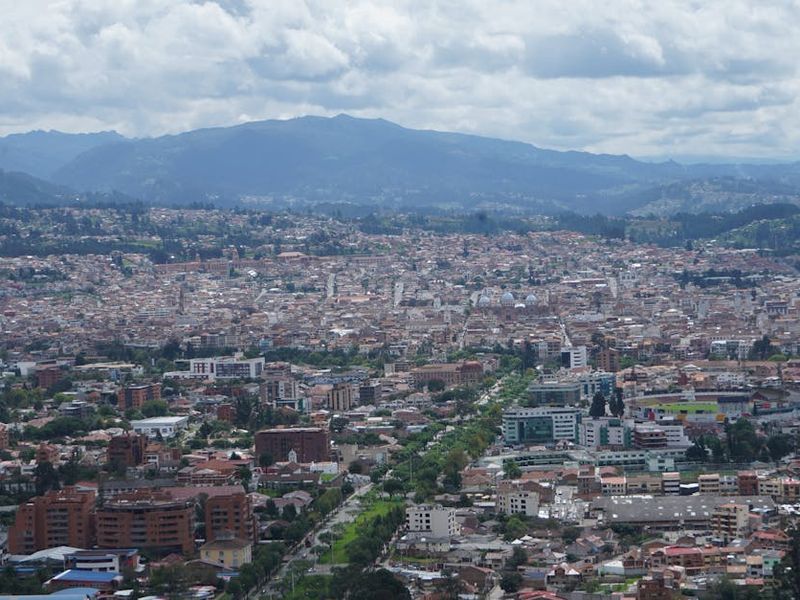
Cuenca’s cobblestone streets, red-tiled roofs and cathedral towers give the city a timeless feel, but it’s the food scene that makes many visitors fall in love. Whether you crave traditional Andean comfort food, inventive farm-to-table plates, late-night street snacks or a cozy café pour-over, Cuenca serves it with warmth. This guide walks you through neighborhoods, dishes, markets and tips so you can eat like a local and discover lesser-known gems.
How Cuenca’s Food Scene Is Different
Cuenca sits high in the southern Andes, and that altitude and climate shape what people eat. Expect hearty soups, potato varieties, fresh cheeses and corn-based dishes. Many restaurants blend indigenous ingredients with European influences, so you’ll see techniques like braising, roasting and artisanal baking alongside native staples like mote (hominy) and quinoa. Also, Ecuador uses the U.S. dollar, which makes budgeting simple when dining out.
Neighborhoods to Know: Where to Find the Best Bites
Cuenca’s best food is clustered in a few walkable areas. Here’s where to head depending on your mood.
- Centro Histórico (Historic Center): This is the heart of town around Parque Calderón and the cathedral—ideal for cafés, rooftop dinners with cathedral views, and traditional restaurants serving classics like locro de papa and fritada.
- Calle Larga and Río Tomebamba: Two parallel arteries running through the center, lined with bakeries, mid-range restaurants and coffee shops. Great for a long lunch or people-watching.
- San Sebastián: A bohemian neighborhood north of the center where you’ll find small, creative cafés and vegetarian-friendly spots tucked into charming streets.
- Mirador de Turi and the outskirts: If you want dinner with sweeping city views, head up to Turi where several family-run restaurants specialize in grilled meats and regional dishes.
- Markets and food halls: For budget-friendly, authentic eats, visit the local mercados where working people eat—these are the best places to taste everyday Cuencan food.
Must-Try Dishes and Where to Find Them
To eat like a local, put these dishes on your list and look for them in restaurants, markets or street stalls.
- Locro de papa: A creamy potato-and-cheese soup typical of the highlands—comfort food for chilly afternoons. Look in family-style restaurants and lunchtime menus.
- Hornado: Slow-roasted pork served with mote, salad and plantains. Often found at mercados and at roadside eateries that specialize in roast pork.
- Cuy: Roasted guinea pig is a traditional celebratory dish in the Andes. Served in specialty restaurants and at festivals—try it once with an open mind.
- Churrasco: Ecuador’s version of a steak plate: grilled meat, rice, fried egg, salad and plantains. Popular for lunch and on many menus.
- Bolón de verde: A breakfast classic made from mashed green plantain, often mixed with cheese or pork and fried into a ball—perfect at local breakfast spots.
- Empanadas and humitas: Street-friendly snacks—cheese-filled empanadas and steamed corn tamales (humitas) are great for sampling while exploring.
- Seafood and ceviche: Though inland, Cuenca’s restaurants offer excellent ceviche and seafood dishes thanks to Ecuador’s coastal supply chains.
Where to Eat for Every Budget
Cuenca delivers quality food at all price points. Here’s how to choose based on budget.
Budget: Mercado Comedores and Street Food
Mercados like the main downtown markets (look for the big market halls around the center) are ideal for a filling meal for $2–$5. Sit at a communal table in a comedor (canteen) and order dishes like locro, fritada or hornado. These places are fast, friendly, and often run by families who have cooked the same recipes for years.
Mid-Range: Neighborhood Restaurants and Cafés
For $8–$20 you’ll find charming bistros, tapas bars and international eateries along Calle Larga and the riverside. These spots blend local ingredients with global cooking styles—perfect for date nights or leisurely lunches.
Splurge: Chef-Driven and Fine Dining
Cuenca has a budding fine-dining scene with tasting menus that spotlight Andean produce, local cheeses and house-made breads. Expect $30–$60 per person for a multi-course experience, often with creative presentations and curated wine lists.
Vegetarian, Vegan and Special Diets
The plant-based scene in Cuenca has grown thanks to younger chefs and expat demand. Look for vegetarian menus in cafés around San Sebastián and Calle Larga. Many traditional dishes can be adapted—ask for meat-free versions of soups, mote-based dishes and grilled vegetable plates. For vegan options, seek out specialty cafés and international restaurants or ask a server if dairy can be omitted (queso is commonly used in soups and sides).
Markets, Bakeries and Coffee Culture
Some of the best eating happens outside formal restaurants. Spend a morning exploring market stalls and bakeries:
- Markets: A morning visit to a local market is both a cultural and culinary experience. Watch vendors prepare breakfast, sample tropical fruits, and try homemade juices. These markets are also the best place to find local cheeses, fresh herbs and unique tubers.
- Bakeries: Cuenca loves bread—look for small bakeries selling fresh rolls, pastries and sweet treats. Late afternoon is prime time to grab a warm bread and a coffee.
- Cafés: Specialty coffee shops have popped up around the central plazas, offering single-origin Ecuadorian beans brewed to order. Great for a pre-meal pick-me-up or a relaxed afternoon.
Food Experiences Beyond Restaurants
If you want to dig deeper than just eating, consider these immersive options:
- Market-to-table experiences: Join a cooking class that begins with a market tour—many local chefs or home cooks will show you how to pick ingredients and then teach you traditional recipes in an intimate kitchen setting.
- Food tours: Guided food walks are a fast way to sample many small dishes and learn local history and food lore in two to three hours.
- Festivals and fairs: Timing a visit during a food fair or harvest celebration lets you taste seasonal specialties and street foods that aren’t always available year-round.
Practical Tips: How to Eat Smart in Cuenca
Follow these practical tips to maximize your food adventures and avoid common pitfalls.
- Cash vs. card: Ecuador uses the U.S. dollar. Many restaurants accept cards, but market stalls and small comedores prefer cash. Carry small bills for market purchases and tips.
- Tipping: A 10% service charge is sometimes included; if not, 5–10% is customary for good service. Leaving small change for market vendors is appreciated but not required.
- Meal times: Lunch is the main meal in Ecuador and is typically served between noon and 3 p.m.—expect set lunch specials (almuerzos) at good prices. Dinner is usually lighter and starts after 7 p.m.
- Reservations: Popular restaurants, rooftop venues and chef-driven spots can fill up on weekends—reserve ahead, especially for larger groups or special occasions.
- Altitude and food: Cuenca sits above 2,500 meters (8,200 feet). If you’re new to high altitudes, hydrate, eat regular meals and avoid overindulging in fatty meals on your first day to reduce stomach discomfort.
- Language tips: Basic Spanish phrases go a long way: “Una mesa para dos, por favor” (a table for two please), “La cuenta, por favor” (the check, please), and “¿Qué nos recomienda?” (what do you recommend?).
- Hygiene and safety: Street food is delicious, but choose stalls with high turnover and busy lines—this is usually a sign of fresh ingredients. Use hand sanitizer after market visits.
Nightlife, Rooftops and Romantic Spots
Cuenca has a mellow, sophisticated nightlife. For romance, pick a rooftop near the cathedral to watch the sun set over the spires, then enjoy a multi-course dinner. For a livelier evening, Calle Larga hosts bars and wine lounges where locals and visitors mingle. Late-night snacks—empanadas, grilled corn or sweet pastries—are easy to find when the dinner crowds spill into the streets.
How to Choose a Great Restaurant: A Quick Checklist
When you’re deciding where to eat, use this simple checklist:
- Is it busy at lunchtime? Locals’ presence is a good sign.
- Does the menu highlight local ingredients or traditional dishes?
- Are prices displayed? If not, check reviews or ask staff before ordering.
- Is the service helpful and willing to explain dishes? That’s especially important for unfamiliar specialties.
- Does the restaurant have a view or ambiance that matters to you (riverside, rooftop, cozy interior)?
Final Thoughts: Savoring Cuenca One Bite at a Time
Cuenca’s culinary charm lies in its balance of tradition and creativity. You can spend a month here and still find new flavors—one afternoon may be devoted to market favorites and a hearty comedor lunch, the next to a rooftop tasting menu or a vegetarian café in San Sebastián. Pack comfortable shoes, come hungry, and remember that some of the most memorable meals come from the smallest kitchens run by families proud to share their recipes. No matter your budget or dietary preference, Cuenca rewards curiosity and patience with delicious discoveries around every corner.
Ready to plan your route? Start with a market breakfast, stroll along the Tomebamba River, try a midday hornado at a family comedor, and cap the night with a rooftop toast beneath the cathedral towers. Buen provecho!