
Table of Contents
Why Cuenca’s Pace Feels Different — and Why That’s a Gift
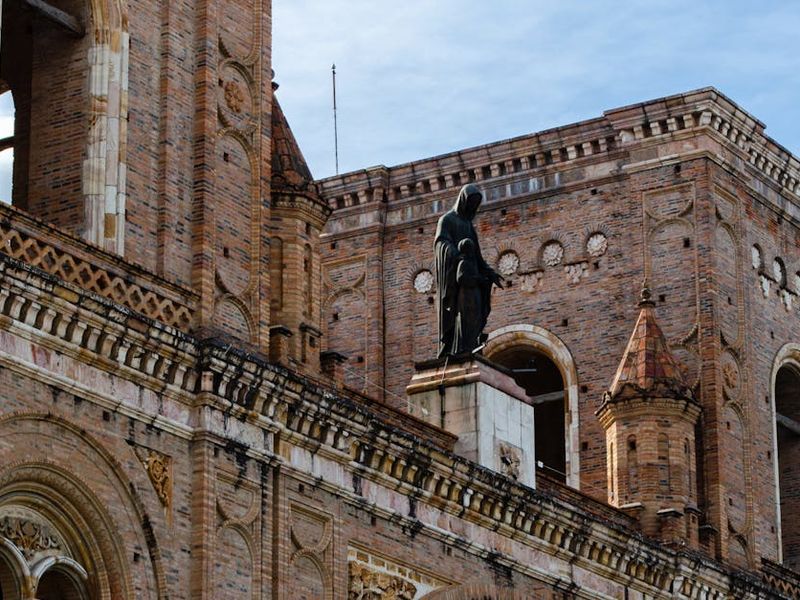
Arriving in Cuenca often comes with a surprising moment: the world here moves a little slower. Church bells knell from the cathedral, vendors chat at the mercados, and afternoons drift by with a warm, almost familiar calm. For many newcomers this relaxed tempo can feel like a welcome retreat — or a frustrating slowdown. The trick is learning to see the slower pace as a resource that improves quality of life instead of a hurdle to productivity.
Understand the Local Rhythm: When Things Happen and When They Don’t
Cuenca has an ebb and flow that guides daily life. Mornings are active: markets brim with fresh produce, cafes fill with people grabbing a coffee, and small shops open early. Midday often brings the biggest break in business activity; lunch is the main meal, and some services slow down. Afternoons and early evenings can be quieter, while weekends host vibrant markets, artisan fairs, and family gatherings.
Practical tip: Build a flexible schedule
Plan appointments and errands for mornings when possible. Reserve afternoons for slower tasks like practicing Spanish, wandering the historic center, or enjoying a long lunch. Accept that last-minute delays can happen and use them as opportunities to explore local cafés or practice conversational Spanish with a neighbor.
How to Adjust Physically: Altitude, Weather, and Daily Health
Cuenca sits high in the Andean highlands, often called Ecuador’s city of eternal spring. Expect mild days, cool evenings, and the need for layers. The elevation — around 2,500 to 2,600 meters — can produce mild altitude effects, especially in the first few days.
Practical tip: Take it easy at first
- Hydrate: Drink plenty of water during the first 72 hours.
- Rest: Avoid intense exercise immediately after arrival.
- Clothing: Pack a warm jacket and breathable layers for variable weather.
- Sun protection: UV is stronger at altitude, so sunscreen and a hat are essential.
Language: Learn Enough Spanish to Feel at Home
Spanish is the dominant language in Cuenca, and while you’ll find some English speakers in tourist areas and private clinics, learning Spanish is the fastest route to feeling grounded. Even basic phrases unlock conversations and build trust with vendors, neighbors, and local officials.
Practical tip: Immediate language wins
- Memorize essential phrases: greetings, numbers, polite requests, and emergency words.
- Join a language intercambio: cafés and cultural centers host informal language exchanges where locals and expats trade practice time.
- Use apps locally: practice vocabulary on the bus or at the mercado.
Navigating Services: Banks, Healthcare, and Residency Basics
One of the most stressful adjustments for newcomers is getting legal and practical matters sorted. Cuenca has reliable banking, good private clinics, and a straightforward residency landscape, but expect bureaucracy to move at a human pace.
Practical tip: Prioritize these first tasks
- Get a local SIM and phone plan for communication and app use.
- Open a bank account to pay rent, utilities, and services more easily.
- Find a general practitioner and know where the nearest clinic or hospital is — private clinics often have English-speaking staff.
- Consult a reputable immigration advisor when beginning residency paperwork: pensionado, rentista, investor, or other visa types each have specific documentation needs.
Housing and Neighborhood Choices: Where Expats Tend to Settle
Many newcomers choose neighborhoods close to the Centro Histórico for easy walking access to parks, cafés, and cultural life. If you prefer quiet residential streets, newer barrios on the city’s periphery offer more space and calmer nights. Look for places with reliable hot water and secure internet — two comfort factors that make a big difference.
Practical tip: Watch for these housing details
- Water pressure and hot water systems can vary; ask about the boiler.
- Internet providers are generally reliable but test connections before signing a long lease.
- Long-term rental rates are much better than short-term; negotiate a six-month or year lease if you plan to stay.
Eating Like a Local: Markets, Restaurants, and Food Culture
Food rhythm in Cuenca centers around fresh markets, neighborhood bakeries, and family-run restaurantes with platecitos and daily menus. Traditional dishes like llapingachos, hornado, and the occasional cuy are part of local cuisine, but you’ll also find excellent international options and healthy markets offering organic produce.
Practical tip: Shop smart and savor slowly
- Visit the central market in the morning for the freshest produce and better prices.
- Try the comida corrido or menú del día — a cost-effective and authentic way to sample local cuisine.
- Buy smaller quantities of produce and learn what’s in season to avoid waste.
Social Life: Making Friends and Finding Community
Cuenca’s social life blends deep-rooted local traditions with a steady international community. Community centers, cultural events, volunteer opportunities, and language exchanges are excellent entry points. Locals appreciate respectful curiosity — ask about traditions, attend fiestas, and bring a small gift when you’re invited to someone’s home.
Practical tip: Practical ways to connect
- Attend municipal events and cultural festivals in the historic center.
- Join a hobby group: dance, cycling, hiking trips to El Cajas, or a local art class.
- Volunteer: community organizations and schools often welcome English-speaking volunteers.
Transportation: Buses, Taxis, and Getting Around on Foot
Cuenca is highly walkable in the historic center, and public transportation is inexpensive. Taxis are affordable for short trips, and many expats use buses for daily commuting. If you plan to drive, remember that streets in the old city can be narrow and parking may be limited.
Practical tip: Choosing the right transport
- Walk as much as possible in Centro Histórico — it’s the best way to discover hidden plazas and cafés.
- Have small bills or coins ready for buses and market purchases.
- Use taxis in the evening; consider asking your accommodation to call a trusted driver if you don’t feel comfortable hailing one on the street.
Embracing Slow Days: Mental Shifts and Daily Routines
The biggest internal change for many newcomers is recalibrating expectations: fast Internet, immediate service, and rigid schedules give way to patience and a focus on presence. This doesn’t mean you can’t be productive — it means scheduling differently and creating routines that make the most of Cuenca’s tempo.
Practical tip: Build a daily routine that honors local time
- Morning: exercise, market visit, or productive work block.
- Midday: longer lunch, connect with neighbors, short rest.
- Afternoon: errands, language practice, or a cultural visit.
- Evening: stroll along the river, relax in a cafe, or enjoy music in a plaza.
Explore with Intention: Day Trips That Help You Feel at Home
Getting out of the city is one of the best ways to absorb Ecuador’s diversity and feel rooted. El Cajas National Park offers highland hiking and dramatic lakes; nearby artisan towns showcase weaving and jewelry traditions; and local ruins provide historical context for the region. Weekends on the road help deepen your relationship with the country.
Practical tip: Start with manageable trips
- Pack comfortable shoes and warm layers for highland excursions.
- Join a small-group tour for the first few trips to learn logistics and local stories.
- Bring cash for entrance fees and local purchases in smaller towns.
Safety, Money, and Practical Precautions
Cuenca is generally safe, but petty theft can happen like in any city. Use common-sense precautions, keep valuables discreet, and secure your home with basic measures. Financially, the cost of living is lower than in many North American and European cities, but quality goods and private services can match international prices.
Practical tip: Simple safety and finance practices
- Keep a small amount of cash and use ATM withdrawals in safe locations.
- Register with your embassy when you arrive to get alerts and support if needed.
- Use a money belt or inside pocket when exploring crowded markets.
Final Thought: Patience as a Daily Practice
Adjusting to Cuenca’s relaxed lifestyle is about choosing presence over speed. When you slow down intentionally, you’ll notice more — the hand-woven textiles in a market stall, the way sunlight lights up the cathedral at dusk, or the conversations that happen naturally on a bench by the Tomebamba. Cultivate patience, build routines that match the local rhythm, and allow the city’s calm to become a source of energy rather than an obstacle to productivity.
Embrace cafe mornings, long lunches, intermittent service, and the civility of a slower city. With small, practical adjustments — learning Spanish basics, setting up local services, and planning your days around Cuenca’s tempo — you can transform initial frustrations into a sustained sense of belonging. In time, that relaxed rhythm becomes not just a feature of life in Cuenca, but one of its greatest gifts.