
Table of Contents
Why Cuenca Is a Top Choice for Dental Travel
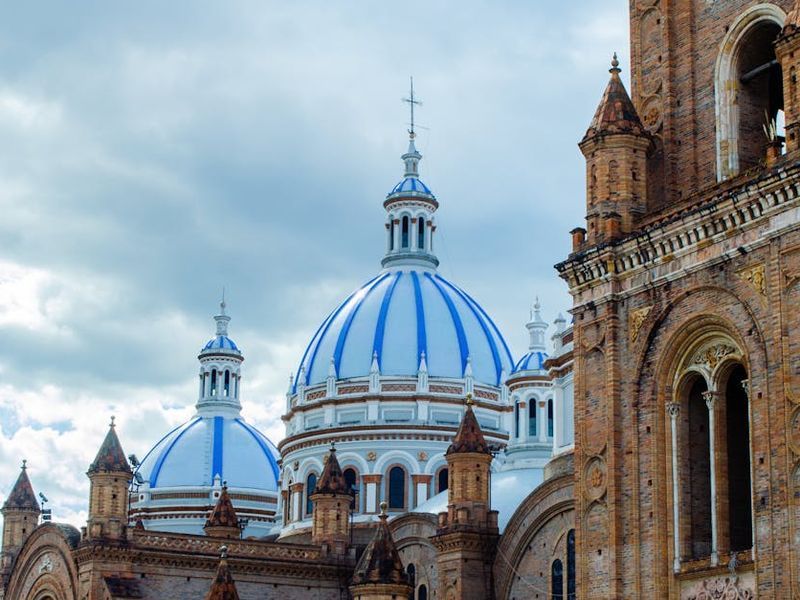
Cuenca, Ecuador draws dental travelers for a mix of high-quality care, reasonable prices, and a relaxed, cultural backdrop. The city’s colonial charm, walkable historic center, and international clinics staffed by well-trained dentists make it an attractive destination for people combining elective dental work with travel. Ecuador’s use of the U.S. dollar simplifies budgeting, and Cuenca’s smaller international airport (Mariscal La Mar, CUE) makes arrivals and departures easy compared with larger hubs.
Start with Clear Goals: What Do You Want from Your Dental Vacation?
Before you book flights, define your objectives. Are you replacing a single crown, getting multiple implants, or planning a full-mouth reconstruction? Some procedures can be completed in a single trip; others require staged visits or months of healing. Knowing the scope of work helps you estimate time, cost, and recovery needs.
Types of procedures commonly done in Cuenca
- Cosmetic dentistry: veneers, crowns, and whitening
- Implant dentistry: single implants, implant-supported bridges, and all-on-4 options
- Restorative work: root canals, crowns, and fixed or removable dentures
- Periodontal therapy and extractions
How to Choose the Right Clinic: Questions to Ask
Choosing a clinic is the most important decision for a successful dental vacation. Start with a shortlist and vet each clinic carefully. Look beyond price and consider technology, credentials, and patient communication.
Essential vetting checklist
- Ask for before-and-after photos and references from recent international patients.
- Confirm the dentist’s training and specialization—implant dentistry and prosthodontics have different skillsets.
- Inquire about on-site imaging (digital x-rays and CBCT/3D scans) and whether the lab work is local or outsourced.
- Verify sterilization protocols and ask whether they follow international standards.
- Request a detailed, written treatment plan with pricing, timeline, and warranty terms where applicable.
- Check online reviews across multiple platforms and watch videos of patient journeys when available.
Budgeting: How Much Should You Expect to Spend?
One of the biggest draws to Cuenca is cost savings. Procedures typically cost a fraction of what you’d pay in the U.S., Canada, or Western Europe, but prices vary by clinic, materials, and the complexity of the case.
Typical cost considerations
- Crowns and veneers: ranges depend on material (PFM vs. all-ceramic). Ask whether lab fees are included.
- Dental implants: price may include implant, abutment, and crown, or be broken into separate line items.
- Root canals and extractions: local anesthesia vs. sedation will change the quote.
- Taxes, imaging, and medication: confirm which extras are included.
Tip: Ask for a fully itemized invoice in advance. An accurate quote helps you compare offers and prevents surprise charges. Don’t base your decision on lowest price alone—consider the overall value.
Scheduling Your Trip: Timeframes and Healing
Plan for more time than you think. Many procedures require multiple visits spaced over weeks or months. Building buffer days into your itinerary allows for initial consultations, lab work, healing, and unexpected delays.
Sample timelines
- Simple crown or veneer: initial prep and impression, then a return visit 7–14 days later for final placement.
- Implants: initial surgery, a healing period (typically several months), and a second visit for the abutment and crown—look for clinics offering staged plans that combine local healing with follow-ups at home.
- All-on-4 or full-arch cases: often involve immediate provisional teeth and later placement of final prosthetics.
When planning, ask the clinic whether they handle temporary restorations and emergency care during your stay. If you need to return home between stages, coordinate with your local dentist for interim care.
Travel Logistics: Getting to and Around Cuenca
Cuenca sits at roughly 2,560 meters (about 8,400 feet) above sea level. Allow a day or two for altitude acclimatization—some people experience mild headaches or fatigue on arrival. The city is compact and walkable, especially the Historic Center, but you’ll likely use taxis or ride-share services for convenience, especially when carrying medication or after treatment.
Practical travel tips
- Fly into Mariscal La Mar Airport (CUE) or connect through Quito/Guayaquil. Airport transfers to the city are short and inexpensive.
- Ecuador uses the U.S. dollar—no currency exchange headaches if you’re from the U.S.
- Carry an international power adapter and a small travel cooler if you must transport medications that need refrigeration.
- Book accommodation near the clinic or the historic center to reduce stress before and after appointments.
Recovery: Plan Comfortable, Useful Downtime in Cuenca
Use your recovery time wisely—Cuenca is an ideal place to relax while your mouth heals. The city’s gentle pace and cultural sights offer low-impact activities that help you recuperate without overexerting yourself.
Low-key activities for healing days
- Stroll along the Tomebamba River or visit the Plaza San Francisco near the Historic Center—short, flat walks help circulation without too much strain.
- Visit the Museo Pumapungo or local handicraft markets in El Centro for indoor, seated exploration.
- Day trip options: Cajas National Park for scenic drives (avoid long hikes immediately after surgery), or a short trip to Chordeleg to browse jewelry workshops.
- Eat soft, nutritious foods from local restaurants—many offer soups, rice dishes, and mashed vegetables that are ideal after dental work.
Avoid strenuous activities, altitude-exerting hikes, or heavy lifting for several days after major procedures, especially extractions and implant surgery.
Health, Medication, and Aftercare Essentials
Bring a small aftercare kit: prescription pain medication (if your home physician prescribes it in advance), a supply of antibiotics if required, saline rinse, a soft toothbrush, and cold packs. Clinics will usually provide immediate prescriptions, but having a small supply on hand can be comforting during travel delays.
Communication and documentation
- Request written post-op instructions in English and Spanish to avoid confusion about care and medication schedules.
- Obtain a complete dental record and digital images before leaving—this helps your dentist at home provide continuity of care.
- Ask about a warranty or guarantee procedure for prosthetics and implants—get it in writing with clear terms.
Insurance, Payments, and Legal Considerations
Many U.S. and Canadian dental insurance plans do not cover international care, though you may be able to submit receipts for partial reimbursement. If insurance won’t cover it, consider health- or travel-specific medical tourism insurance for complications or evacuation—read policies carefully to ensure dental procedures are included.
Payment tips
- Ask what payment methods are accepted—credit cards, bank wire transfer, or cash are common. Some clinics may accept U.S. currency, but using local ATM withdrawals in USD is easy in Ecuador.
- Request an itemized invoice for insurance claims and tax records. Keep all receipts for at least a year.
- Be aware of potential foreign transaction fees and verify refund policies before paying large deposits.
Safety and Quality: What to Watch Out For
While Cuenca hosts many reputable clinics, stay alert for red flags. Unrealistically low prices, pressure to make fast decisions, and clinics that cannot provide references are reasons to pause.
Red flags
- No written treatment plan or warranty.
- Reluctance to show before-and-after photos or patient references.
- Poor communication about post-op care, emergency protocols, or follow-up scheduling.
When in doubt, get a second opinion—either another clinic in Cuenca or a trusted dentist at home. A reliable clinic will encourage second opinions and happily provide records.
Practical Checklist Before You Travel
Prepare a short checklist to make your trip smoother and reduce stress during the procedure and recovery.
- Collect all dental records, x-rays, and photos to email the clinic before arrival.
- Confirm your treatment plan, timeline, and full price in writing.
- Arrange accommodation near the clinic and confirm airport transfer details.
- Pack soft foods, oral care items, spare prescriptions, and a travel first-aid kit.
- Notify your local dentist and arrange follow-up care once you return home.
- Purchase travel insurance that covers medical complications related to your procedure.
Making the Most of Your Time in Cuenca
Don’t let dental appointments overshadow your trip. With thoughtful planning you can combine effective treatment with an enjoyable stay. Taste Ecuadorian cuisine, explore the Historic Center’s plazas and churches, and use quiet recovery days to soak up local culture. Many patients find the downtime a welcome chance to slow down while gaining a healthier smile.
Final Thoughts: Balance Quality, Cost, and Comfort
Dental travel to Cuenca can be a rewarding option when you balance cost savings with careful preparation. Choose a reputable clinic, get detailed documentation, budget for contingencies, and plan downtime that supports healing. With the right approach, you can return home with improved oral health—and some wonderful memories of Ecuador’s southern highlands.
Ready to start planning? Begin by collecting your dental records, researching clinics with strong reputations, and booking at least two weeks in Cuenca for most multi-step procedures. The city’s mix of professional care and welcoming atmosphere makes it a smart destination for dental travelers who want both value and quality.