
Table of Contents
Welcome to Cuenca: why slowing down is part of the experience
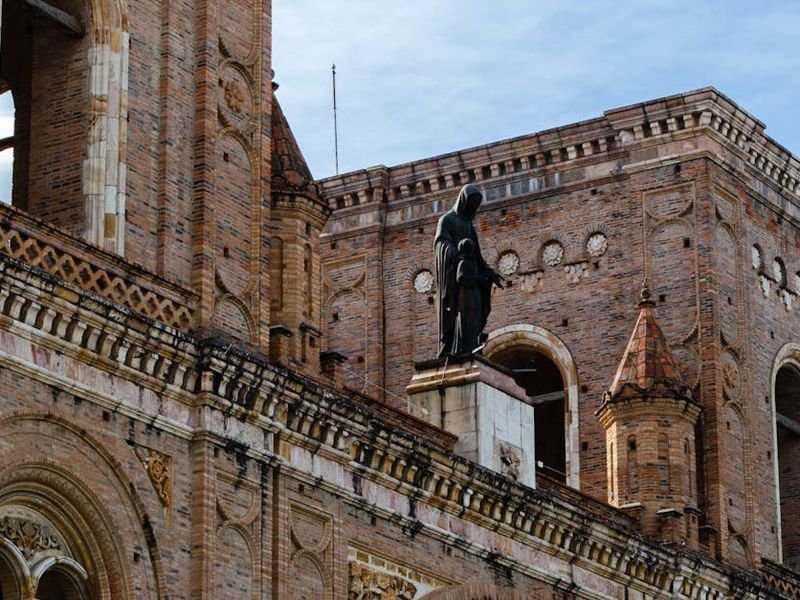
Cuenca, Ecuador, is famous for its cobblestone streets, the winding Tomebamba River, and the turquoise domes of the New Cathedral that rise over Parque Calderón. At about 2,560 meters (8,400 feet) above sea level, the city offers a mild, spring-like climate year-round and a tempo that rewards patience. Whether you’ve moved here to retire, work remotely, or simply to experience a new way of life, adjusting to Cuenca’s relaxed rhythm is the key to enjoying daily life—and it’s more than learning to enjoy slow coffee breaks.
Understand the local pace: what to expect in daily life
The rhythm in Cuenca is deliberate. Stores, government offices, and even some medical clinics may close for a mid-day break or run on different hours than you’re used to. Traffic peaks are predictable and public transport can be crowded but affordable. Social interactions are calm—people take time to greet each other, conversations are not rushed, and the evening promenade along the river is a cherished ritual. Expect fewer 24/7 conveniences than in large North American or European cities, but more human-scale services and neighborly courtesy.
Practical tip: build time buffers
Plan appointments with extra time, avoid scheduling back-to-back meetings, and allow travel buffers for the many charming distractions (an artisan market, a church procession, an impromptu café chat). This small change reduces frustration and aligns your expectations with local reality.
Settle into neighborhoods that match your lifestyle
Choosing where to live in Cuenca shapes how you experience its pace. The historic center around Parque Calderón is lively and walkable—perfect for people who enjoy festivals, museums, and cafés. Riverside areas near the Tomebamba offer scenic walks and quieter residential streets. Newer suburban developments provide larger apartments or houses and a slower daily rhythm.
Practical tip: short-term trial before committing
Rent a short-term apartment or Airbnb in two different neighborhoods for a month each. This gives you a real sense of the commute, noise levels, proximity to markets and medical care, and whether the local pace fits your lifestyle.
Adapt to the climate and altitude
Cuenca’s altitude and climate create a gentle daily cadence—cooler mornings, warm afternoons, and crisp nights. At first, you may notice breathlessness during steep walks or while climbing stairs; give your body several weeks to acclimatize. Layers are your best friend: mornings can be chilly, while midday may warm enough for a light jacket.
Practical tip: pace outdoor activity
Start with gentle walks, take advantage of the many river promenades (malecóns), and avoid overexertion for the first weeks. Drink plenty of water and be mindful of sun exposure at altitude. If you have chronic health conditions, consult a local physician early to adapt any medications or routines.
Learn the social cues and cultural rhythms
Cuencanos value politeness and warm greetings. A handshake or a single cheek kiss is common when meeting someone new. Meals—especially lunch—are often the main social moment of the day. Sundays and holidays bring lively parades, family gatherings, and church services that reshape traffic and business hours.
Practical tip: join local celebrations
Participating in community events—Independence Day (November 3), Semana Santa, and neighborhood fiestas—not only builds connections but also teaches you local schedules and expectations. Arrive early to parades to get a good view, and respect spaces reserved for religious observance.
Master basic logistics: healthcare, banking, and phone service
Cuenca has a good mix of public and private healthcare options. Many private clinics offer high-quality care at lower costs than in the U.S. or Europe, and dental services are particularly affordable. If you plan to stay long-term, secure either international health insurance or a local policy—also check the IESS (Ecuador’s social security system) if you become a legal resident.
Practical tip: essential admin checklist
- Register with the local health system or choose a private insurance plan.
- Open a local bank account; bring ID and proof of address—banks often require a cedula (resident ID) for full services.
- Buy a local SIM card (Claro, Movistar, and CNT operate here) for affordable data and calls—prepaid plans are easy to top up.
Getting around: public transit, taxis, and walking
Buses in Cuenca are inexpensive and cover most routes, but they can be crowded during commute hours. Taxis are plentiful and affordable; many use meters, though agreeing on a fare beforehand can help. The city center is highly walkable—stone streets, riverside promenades, and parks invite you to stroll and discover hidden cafés and artisan shops.
Practical tip: apps and cash
Carry small bills for buses and local markets. Download ride-hailing and mapping apps if you rely on taxis and prefer digital payments; also keep the name and number of a reputable radio taxi company saved in case you need a driver at odd hours.
Where to shop and eat: markets, cafés, and restaurants
Cuenca’s markets are vibrant hubs where you can buy fresh produce, flowers, cheeses, and local specialties—perfect for learning the weekly rhythm. A casual midday meal (almuerzo) often includes soup, a main dish, and a drink at a very reasonable price. Cafés are communal spaces for conversation, remote work, and language exchange. Try local bakeries for pan de yuca and empanadas, and sample the many small restaurants tucked away on charming side streets.
Practical tip: learn the market routine
Visit markets early in the morning for the best produce and the friendliest vendors. Bring your own bags, know some Spanish phrases for negotiating prices, and ask vendors for seasonal produce and cooking tips—they often love sharing recipes.
Build community: meetups, volunteering, and language exchange
The social pace in Cuenca encourages deeper connections. There are active expat groups, Spanish-language schools, art studios, walking clubs, and volunteer organizations. Volunteering at a local school, animal shelter, or cultural center is an excellent way to meet Ecuadorians and other expats while making a tangible contribution.
Practical tip: create a weekly routine
Establishing regular activities—Spanish class twice a week, a Saturday market visit, Sunday river promenade—gives a comforting structure. Join a language exchange or host conversation circles in cafés; locals appreciate help with English and you’ll get real, friendly practice with Spanish.
Work and productivity in a slower environment
If you work remotely, create a balance between productivity and local engagement. Coworking spaces and cafés with reliable Wi-Fi are plentiful. Remember that local business hours and a relaxed approach to time mean you may need to negotiate deadlines and meeting times a bit differently than you would back home.
Practical tip: set communication norms
Let collaborators know your availability windows and preferred communication channels. If deadlines are tight, schedule check-ins and be explicit about timelines; if your work allows flexibility, embrace the pause and use it to recharge in one of Cuenca’s many parks.
Handle bureaucracy without stress
Dealing with documents, residency permits, and utility setups can be slower than you expect. Offices may require multiple visits, original documents, and local stamps. Patience, preparedness, and a local contact who understands the system go a long way.
Practical tip: prepare a document kit
Keep certified copies of your passport, birth certificate, background checks (apostilled if required), and proof of income easily accessible. Use a reputable gestor or immigration lawyer to streamline processes; they can save time and prevent repeat trips to offices.
Safety and wellbeing: staying secure while enjoying life
Cuenca is generally safe compared to many large cities, but common-sense precautions apply: avoid showing expensive items, be mindful of pickpocketing in crowded areas, and use well-lit routes at night. The slow pace of life actually enhances safety—the community focus means neighbors and shop owners often watch out for each other.
Practical tip: blend in respectfully
Dress modestly, learn a few polite phrases in Spanish, and be mindful of cultural norms at religious and public events. Building friendly relationships with neighbors and local shopkeepers creates an informal safety net.
Practical first-week checklist for new arrivals
- Walk the historic center and river promenades to get a feel for the layout and common routes.
- Visit a local market to stock up on fresh produce and learn where to buy staples.
- Get a local SIM card and test internet connections in your apartment and favorite cafés.
- Find the nearest clinic, pharmacy, and supermarket; note bus stops and taxi stands.
- Introduce yourself to neighbors and ask about neighborhood routines and useful local contacts.
Embrace small rituals to internalize the slower pace
Let the city’s rhythms shape small daily rituals: a morning café while watching the city wake, an afternoon paseo by the river, volunteering once a week, or a Saturday market ritual. These habits help recalibrate your internal clock and make the slow pace feel intentional rather than limiting.
Practical tip: schedule a weekly ‘slow hour’
Block one hour each day for a low-stakes ritual: sipping coffee at a favorite café, reading in a park, or chatting with neighbors. It trains your mind to slow down and appreciate the intangible benefits of life in Cuenca.
Final thoughts: patience pays off
Adjusting to Cuenca’s relaxed lifestyle is less about giving things up and more about gaining perspective. Once you accept that timetables, routines, and expectations will be different here, the city opens up: more meaningful conversations, slower meals, festivals that become family traditions, and daily walks that feed the soul. Bring an attitude of curiosity, a few practical habits, and a willingness to be patient—and Cuenca will reward you with a calmer, fuller way of living.
By embracing the city’s rhythms and applying a few practical strategies—layered clothing for the altitude, language practice, local banking and healthcare setup, and alignment with neighborhood pace—you’ll soon feel at home in one of Ecuador’s most enchanting cities.