
Table of Contents
nes along the Tomebamba to feel the layout and tempo of the city.
These simple tasks reduce friction and let you relax into the next weeks without frantic scrambling.
Housing: Choosing a Neighborhood to Match Your Desired Pace
Your barrio affects how quickly you adapt. Choosing a place tailored to your lifestyle makes embracing the slower rhythm easier.
- Historic Centro: Walkable, architecturally rich, lots of cafes and plazas. Noise and tourist traffic are trade-offs for convenience and daily stimulation.
- Riverside and El Barranco: Close to scenic malecones and artisan markets; perfect for walkers and those who want scenic daily routes.
- Residential Outskirts: Quieter streets, more greenery, often larger homes. Expect longer commutes but a more restful environment.
Tip: Rent for a month first, then make a longer commitment once you know exactly how you want to live — proximity to markets, medical care, or language classes can change your priorities.
Climate and Clothing: Pack Layers and Be Ready for Surprise Weather
Cuenca’s elevation gives it a mild climate with big temperature swings between morning and night. Rain can appear suddenly during the wet season and afternoons are often cooler. Practical wardrobe tips:
- Bring lightweight layers, a warm sweater, and a light waterproof jacket.
- Pack comfortable walking shoes with good traction — many historic streets are cobblestoned.
- Sunglasses and sunscreen are important: the sun’s intensity is higher at altitude.
Being prepared with layers helps you participate in outdoor café time, market runs, and evening strolls without being uncomfortable.
Daily Rhythms: Accepting Slower Service and Different Business Hours
One of the most immediate culture shocks is the different tempo of service. Many restaurants and small shops operate with a longer lunch break and slightly slower service. Banks and government offices often close around mid-afternoon and reopen later, while some smaller shops close for a few hours midday.
How to navigate it:
- Do banking and errands in the morning when lines are shorter.
- Schedule appointments with an extra 30 minutes of padding — punctuality in Cuenca is flexible.
- Enjoy the slower service: use it as time to linger over coffee, people-watch, or practice Spanish.
Language and Cultural Tips to Accelerate Connection
Spanish fluency transforms the experience of Cuenca. Even basic Spanish opens doors to deeper friendships and makes everyday tasks frictionless.
- Enroll in a local language school or hire a neighborhood tutor — small weekly lessons pay huge social dividends.
- Attend language exchanges or conversational meetups often held in cafés near the historic center.
- Learn cultural niceties: greetings include a handshake or a single cheek kiss with acquaintances, and people appreciate polite, formal address (usted) in many contexts.
Respect for local customs and an effort to speak Spanish signal that you value integration, and locals typically respond warmly.
Food, Markets, and Everyday Eating: Explore Local Flavors Slowly
Food in Cuenca is a daily delight. Local markets brim with fresh produce, cheeses, and baked goods. Traditional dishes to try include llapingachos (potato patties), mote (hominy), hearty soups, and roasted meats from neighborhood panaderías and mercados. Many expats find joy in integrating local markets into weekly rhythms — shopping slowly, learning seasonal produce, and letting cooking become a mindful activity.
- Eat at small neighborhood restaurants to experience authentic flavours and meet locals.
- Try panaderías for fresh bread and empanadas in the morning — a perfect low-key way to start a day.
- If you have dietary restrictions, learn the Spanish names of staple ingredients to avoid confusion at markets and restaurants.
Health, Altitude, and Medical Care
The altitude in Cuenca is moderate but noticeable. Expect some shortness of breath or mild fatigue during the first week — especially if you arrive from sea level. Useful measures:
- Take it easy for the first 48-72 hours: avoid vigorous exercise and heavy alcohol.
- Hydrate more than usual; water helps your body adjust to altitude.
- Pack essential medications in carry-on luggage and find a reliable pharmacy near your residence.
Cuenca has a strong healthcare infrastructure with private clinics and modern hospitals; many medical professionals are accustomed to treating international patients. Still, it’s wise to have travel insurance or local health coverage while you settle administrative matters.
Transportation: Walk, Bus, Taxi — and When to Use Each
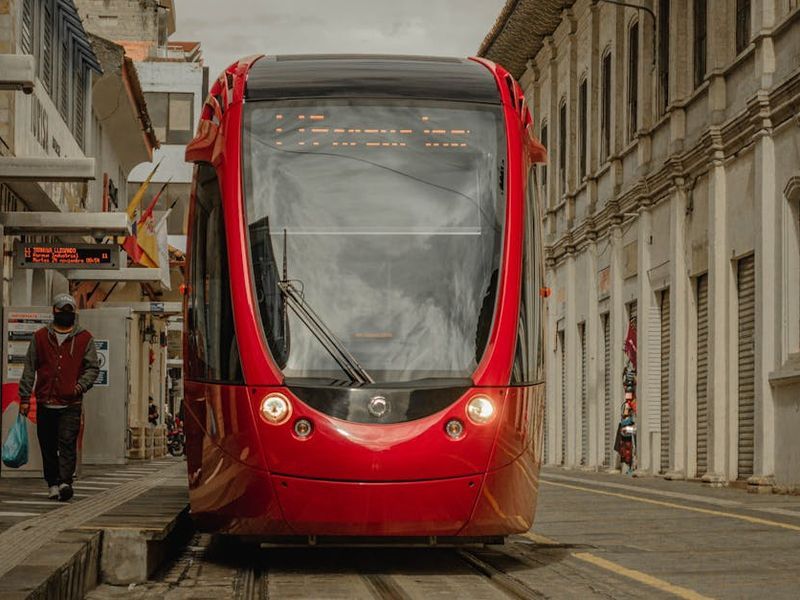
Cuenca’s compact historic center is extremely walkable; many daily tasks are best done on foot. For longer trips, public buses are inexpensive and cover the city widely, while taxis are plentiful and cheap by North American standards.
- Walking: Ideal for daily errands and social outings within the centro and riverside areas.
- Buses: Learn common routes and carry small change. Bus drivers and conductors are efficient but schedules can be informal.
- Taxis: Use authorized taxis or ride-hailing apps if you prefer cashless trips. Agree on a price or ensure the meter is used for clarity.
Parking in the centro can be limited and narrow, so if you don’t need a car, consider relying on taxis and buses to enjoy less stress and lower costs.
Making Friends: Building a Social Life Without Rushing
Because life moves more slowly, social habits differ. People tend to spend longer visiting with friends and family, so social gatherings may be more relaxed and extended.
- Join clubs or volunteer organizations aligned with your interests — community-based groups are a fast-track to deeper connections.
- Attend cultural events: concerts, artisan markets, and festivals in the Parque Calderón area are excellent opportunities to meet people.
- Make regular appointments — weekly language exchanges or café meetups — to build routine relationships.
Patience matters: friendships grow through repeated low-key interactions rather than rapid networking blasts.
Practical Money-Saving Tips for Embracing Slow Living
A relaxed lifestyle in Cuenca often means spending more on experiences and less on hurried consumption. Practical ways to stretch your budget while enjoying local life:
- Shop at neighborhood markets for produce and bakery staples rather than relying on imported supermarket items.
- Use local services like laundromats and small restaurants — they are affordable and connect you with the community.
- Buy seasonal items and learn to cook local recipes; this is cheaper and introduces you to new flavors.
Embracing local patterns — walking more, eating out at small places, and using public transit — not only cuts costs but deepens your immersion.
Work and Productivity: Adapting to a Slower Pace While Staying Focused
If you work remotely or run a business, blending productivity with Cuenca’s slower tempo requires intentional structure. Respect the environment while creating a routine that maintains your output.
- Use coworking spaces or cafés with reliable internet for focused blocks of work.
- Build a daily schedule that includes long mid-day breaks if you like; many locals enjoy a leisurely lunch that can be a restorative pause.
- Communicate time-zone differences clearly with clients and colleagues to avoid mismatched expectations.
Many expats find that the slower pace reduces burnout and increases creativity — once they set a consistent work rhythm that respects local norms.
Safety and Common-Sense Tips
Cuenca is generally considered safe and comfortable for expats and visitors, but petty theft can occur anywhere. Simple precautions keep you secure and help you enjoy life without worry:
- Use a hotel safe or a locked closet for passports and valuables and carry photocopies of important documents.
- Avoid ostentatious displays of expensive electronics or jewelry in crowded places.
- Ask locals which neighborhoods to avoid at night — most will tell you where they feel safest.
How to Stay Clear-Headed When You Miss the Fast Life
Feeling restless or impatient during the adjustment period is normal. Combat it with practical strategies:
- Keep a shortlist of activities that energize you — museums, hikes to nearby páramo, or Spanish classes.
- Schedule occasional trips to busier cities if you crave faster-paced amenities and diversity.
- Practice mindfulness, journaling, or a daily walk along the river to process your feelings and savor small wins.
Remember that adapting takes time. Many long-term residents say the initial discomfort is the price of gaining a more relaxed, reflective lifestyle.
30-Day and 6-Month Checklists for Thriving in Cuenca
Concrete milestones help track progress and reduce overwhelm. Try these checkpoints:
First 30 Days
- Secure temporary housing and explore several neighborhoods.
- Set up phone, internet, and a basic banking relationship.
- Find a local doctor, dentist, and a reliable pharmacy.
- Begin Spanish lessons and identify one social or volunteer group to join.
By Six Months
- Move into longer-term housing (if desired) and settle monthly budgets.
- Make several local friends and build a weekly routine (market day, café meetup, exercise).
- Handle legal residency paperwork or long-term visa matters if staying long-term.
- Explore nearby nature — day hikes, small Andean towns, and cultural sites to expand your life beyond the centro.
Final Thoughts: Let Cuenca Teach You to Slow Down
Cuenca invites you to trade a frantic tempo for an unhurried appreciation of small pleasures: a morning panadería run, a sunset along the river, a long conversation over sopa de maní. That doesn’t mean giving up ambition or productivity; it means carving spaces for rest and discovery within your life.
Approach the transition with curiosity, patience, and a few practical systems in place — you’ll find the relaxed lifestyle of Cuenca is not an absence of motion, but a different kind of movement: deeper, steadier, and often more satisfying.