
Table of Contents
Introduction: Choosing a Neighborhood in Cuenca
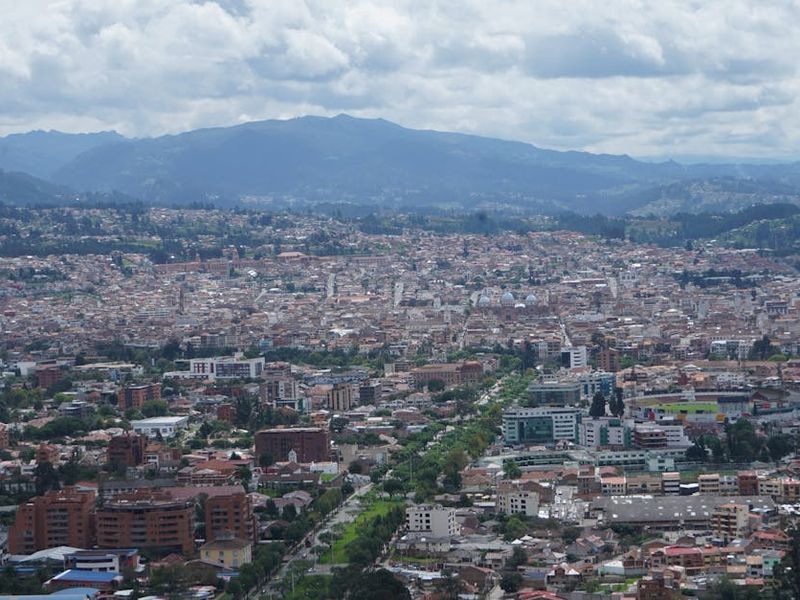
Cuenca is one of the most popular cities in Ecuador for retirees and expats. With its colonial architecture, mild mountain climate (about 2,500–2,600 meters above sea level), and a slower pace of life, the city draws people who want culture, good healthcare, and walkable neighborhoods. But Cuenca is not a single experience — it’s a collection of barrios with distinct personalities. This guide helps you compare the most common expat neighborhoods and gives practical tips to find the right place for your lifestyle and budget.
How to Decide Where to Live: Key Factors
Before we dive into specific neighborhoods, consider the factors most expats use to choose a home in Cuenca:
- Walkability and access to services — Do you want to walk to restaurants, markets, and the cathedral, or are you fine with short taxi rides?
- Noise and nightlife — The historical center buzzes late; quieter residential barrios are a better choice for light sleepers.
- Green space and views — Some areas offer riverside promenades and parks, others hillside vistas.
- Housing type — Apartments in older buildings, modern condos, or standalone houses in gated communities.
- Proximity to healthcare and transit — Consider closeness to hospitals, clinics, and the city’s tranvía (tram) and bus lines.
- Budget — Rents and purchase prices vary considerably by neighborhood and finish level.
1. Centro Histórico: For Culture and Convenience
The Centro Histórico is the postcard Cuenca: the cathedral domes, narrow cobblestone streets, artisan markets and numerous cafes. Many expats choose Centro for the unbeatable walkability — you can reach museums, theaters, restaurants and bakeries in minutes.
Living here means being in the thick of it: street vendors, festivals, and evening crowds. Apartments range from charming colonial conversions to modernized units in restored buildings. If you value a short walk to everything, don’t mind some noise, and want to be part of city life, Centro is hard to beat.
Practical tips:
- Look for apartments with double-pane windows to cut noise and retain warmth.
- Expect parking to be limited—many residents walk or rely on taxis.
- Try different blocks at different times of day to understand noise and foot traffic.
2. San Sebastián and Surrounding Historic Extensions
Just north and east of the heart of Centro lies San Sebastián. It shares much of the old-town charm but often has more residential pockets, quieter streets, and smaller local markets. The vibe is neighborhood-focused with family-owned bakeries, corner shops and easy access to cultural institutions.
San Sebastián is a solid compromise for expats who want to be a short walk from the historic core without the full-on bustle of Plaza Grande. Buildings tend to be a mix of older homes and apartment blocks, many with balconies and leafy courtyards.
3. El Vergel and El Batán: Quiet, Residential, and Practical
Head a little south and east from the center and you’ll find El Vergel and the neighboring El Batán area. These are popular with families and long-term residents because of their quieter streets, larger apartment options and proximity to green spaces.
Here you’ll find more modern apartment complexes, supermarkets, and everyday conveniences. The pace is calmer and the streets are more residential—great for people who want to escape the late-night energy of the historic center but stay within a short taxi or bus ride.
Practical tips:
- Good choice if you want easy access to groceries and medical clinics without giving up proximity to downtown.
- Check building utilities and hot water systems—older buildings may use gas heaters or have variable pressure.
4. Ricaurte–Yanuncay: Newer Development and Convenience
The Ricaurte–Yanuncay corridor on Cuenca’s eastern side is known for newer apartment buildings and commercial development. This area offers modern conveniences like larger supermarkets, shopping areas, and easy car access to the city ring roads.
Expats who prefer a more contemporary apartment—often with gyms, doormen and parking—will find attractive options here. It is also convenient for those who drive or use taxis frequently since the streets are broader and traffic flows better than in the historic center.
5. Totoracocha, Pencas and Family-Friendly Suburbs
Further out, neighborhoods such as Totoracocha and residential subdivisions on the city’s periphery appeal to families and those seeking single-family homes or gated communities (urbanizaciones). These zones often have larger yards, safer gated entrances and a more suburban feel.
Expect longer commutes to the Centro Histórico, though many residents find the trade-off worthwhile for more space, privacy, and calmer streets. If you plan to drive, these neighborhoods are well-suited to car owners.
6. Riverside Living: Along the Tomebamba and Yanuncay Rivers
Cuenca’s rivers — particularly the Tomebamba — are central to the city’s identity. Neighborhoods along riverside promenades and parks offer lovely walking paths, green views and a pleasant microclimate. The riversides are great for morning walks and people who enjoy outdoor time close to home.
Look for apartments or houses that back onto or have easy access to the riverside malecóns. Being close to these stretches offers scenic value and often quieter evening environments than the main plazas.
7. Safety Considerations Across Neighborhoods
Cuenca is generally considered one of Ecuador’s safer cities, but urban safety varies by neighborhood and time of day. Centro is safe for daytime exploration; however, be more cautious late at night in crowded areas and keep an eye on personal belongings in markets.
Residential barrios and urbanizaciones usually have less petty crime and more neighbor familiarity. Use standard precautions: secure valuables, check locks and lighting, and choose apartments with secure entry systems if security is a priority.
8. Cost of Living Differences by Neighborhood
Rental and purchase prices vary with location and finish. Generally:
- Centro Histórico and San Sebastián: Prices reflect centrality and charm. You’ll pay more for renovated colonial units with views.
- El Vergel / El Batán: Mid-range — a balance of price and convenience with many modern apartments.
- Ricaurte / Yanuncay: Newer buildings and amenities can command higher rents for condos with facilities.
- Suburbs / gated communities: Purchasing or renting houses outside the center often offers more space for similar or lower prices than central luxury units.
When evaluating a listing, compare not just rent but utilities, building maintenance (condominio), and whether furnishings are included.
9. Healthcare and Transit: What to Consider
Access to good healthcare is a major reason many expats pick Cuenca. The city has both public hospitals and private clinics. Proximity to medical centers is a sensible criterion — especially if you have ongoing healthcare needs.
Public transit includes an efficient bus network and the Tranvía (tram) that connects several neighborhoods to the center. Taxis are inexpensive and abundant; many expats rely on taxis instead of owning a car. Consider how close a neighborhood is to major bus routes, the tram stops and taxi ranks.
10. Practical House-Hunting Tips
Finding the right home in Cuenca can be straightforward if you follow a few practical tips:
- Visit neighborhoods at different times: morning, afternoon, and night to gauge traffic, noise and safety.
- Use local Facebook groups, expat forums, and reputable real estate agents for listings—many rentals never make it to international websites.
- Inspect water pressure, hot water, internet speed and building security when you visit a property.
- Ask about included utilities and monthly condo (mantenimiento) fees—these can add to your monthly costs.
- Rent short-term first if possible, then sign a longer lease after you’ve lived in the area for a few months.
11. Lifestyle Match: Which Neighborhood Fits You?
Match the neighborhood to your lifestyle:
- Culture-driven and social: Centro Histórico or San Sebastián.
- Quiet and residential, with easy access to services: El Vergel or El Batán.
- Modern conveniences and newer buildings: Ricaurte–Yanuncay.
- Suburban family life and space: Totoracocha and gated communities.
- Scenic riverside strolls: neighborhoods along the Tomebamba and Yanuncay malecóns.
12. Final Checklist Before You Commit
Before signing a lease or making a purchase, run through this final checklist:
- Confirm exactly which utilities are included and who pays for them.
- Test plumbing, water pressure and hot water at different times of day.
- Check proximity to the services you use most (supermarket, bank, pharmacy, clinic).
- Ask neighbors about noise levels and safety.
- Review building rules and fees for pets, renovations and guests.
Conclusion: Your Cuenca Neighborhood Is Waiting
Cuenca offers a wide range of neighborhoods that appeal to different tastes and budgets. Whether you want to wake up to cathedral bells and café life, enjoy quiet riverside jogs, or live in a modern condo with amenities, there is an area that will fit your needs. Spend time exploring neighborhoods, ask questions, and take short-term options when possible—there’s no rush. The right barrio for your expat life in Cuenca is usually the one that balances convenience, comfort and the lifestyle you imagine.
Ready to start house-hunting? Map the areas on a local map, visit in person, and don’t forget to ask locals for their impressions — small details you won’t see online often make the biggest difference.