
Table of Contents
Welcome to Cuenca: Why the Pace Feels Different
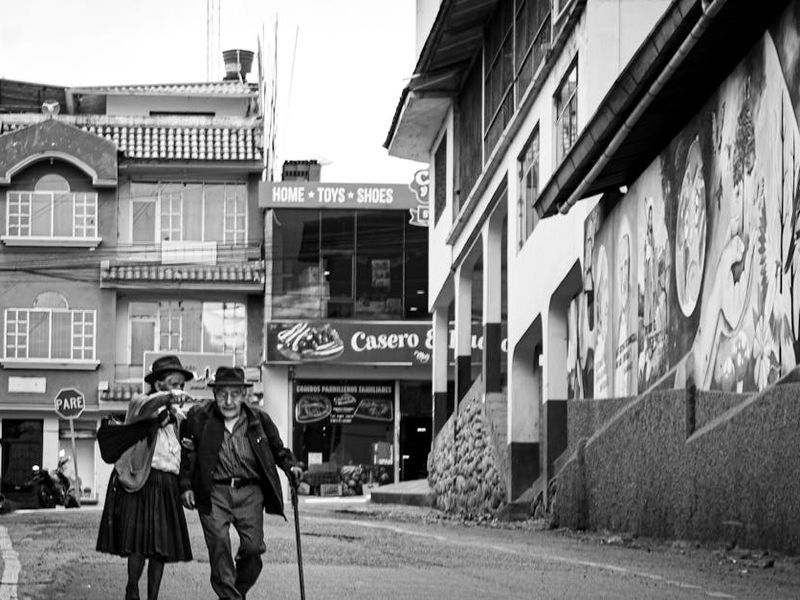
Cuenca rewards people who slow down. With its colonial center, blue-domed cathedral, riverside promenades along the Tomebamba and a steady climate at about 2,500 meters elevation, the city radiates a relaxed, small-city rhythm that catches many newcomers off guard. If you’re used to a fast-paced urban life, the initial contrast can feel like a culture shock. But with a few mindset shifts and practical habits, Cuenca’s tranquility becomes one of its greatest gifts.
Understand the Local Tempo: “Poco a Poco”
One cultural touchstone you’ll hear often is “poco a poco” — little by little. People in Cuenca value patience, conversation, and taking the time to do things properly. Service at banks, government offices, and some shops may seem leisurely compared to what you’re used to. Instead of rushing or forcing speed, accepting a gentler tempo reduces stress and opens space for more authentic local interactions.
Practical tip:
Build buffer time into your day. Plan an extra 30–60 minutes when you leave for appointments, and treat delays as opportunities to explore a plaza, sip coffee, or learn Spanish phrases with a vendor.
Daily Life: Shops, Meals, and Small Routines
Daily routines in Cuenca revolve around community spaces. The Parque Calderón and the riverside walks by the Tomebamba are living rooms for locals; cafes fill up with grads, artisans set up stalls, and elderly friends meet to chat. Many restaurants offer an affordable almuerzo or menú del día at midday—a set main course, soup, and drink—making lunch the main meal for most people. Smaller shops might close for a short period in the early afternoon.
Practical tip:
- Adopt a midday rhythm: enjoy a long lunch, run errands in the morning or after 3pm, and consider a leisurely evening walk along the river.
- Always keep some small bills and coins. Market vendors and smaller businesses often prefer exact change.
Neighborhoods and Choosing Where to Live
Cuenca’s neighborhoods vary in energy. The historic center (El Centro) pulses with tourists, churches, and artisans — lively during the day but quieter after hours. Areas like San Sebastián and El Vergel offer more residential calm while still being close to amenities. Turi’s viewpoint (Mirador de Turi) and the hills beyond give you views and cleaner air for those who want serene nights. When choosing a place, weigh walkability, noise levels, access to markets, and proximity to medical services.
Practical tip:
- Spend time in a neighborhood at different hours before signing a lease. Weekday evenings and weekends can feel very different.
- Look for proximity to a market like Mercado 10 de Agosto or a supermarket such as Tía or Supermaxi; this makes daily life easier.
Transport: Embrace Walking, Public Transit, and Taxis
Cuenca is very walkable in many central areas. The riverside promenades and compact historic center invite walking. For longer distances, the city operates buses and a modern tram (tranvía) that cover many neighborhoods. Taxis are plentiful and inexpensive compared to North American or European rates, though it’s wise to agree on a fare before getting in if the meter isn’t used.
Practical tip:
- Carry small change for buses and short taxi rides. Drivers appreciate exact fares and it speeds boarding.
- Try walking a neighborhood first to discover hidden cafés and tiendas, and use the tram for efficient cross-city travel.
Managing Paperwork and Government Visits
Bureaucracy in Ecuador can move slower than expected. Whether you’re applying for residency, dealing with the municipal office, or scheduling healthcare appointments through IESS (Ecuador’s social security system), patience and preparation are essential. Bring all required original documents, photocopies, and a calm attitude. Many people find success by booking appointments early in the morning and bringing reading material in case of waits.
Practical tip:
- Make multiple copies of important documents and keep them organized in a dedicated folder for easy access when needed.
- Ask a Spanish-speaking friend or hire a gestor (a legal/document agent) to help navigate more complex procedures.
Healthcare and Well-Being in a Slower City
Cuenca has a range of medical options from private clinics to public hospitals under the IESS network. For expats, private clinics often offer faster service and English-speaking staff, while IESS is used by many residents for comprehensive coverage. The city’s pleasant climate and abundant parks make outdoor activities easy—walking, light hiking in the nearby Cajas National Park, and gentle bike rides are excellent ways to support physical and mental health.
Practical tip:
- Schedule routine medical appointments earlier in the week to avoid weekend backlogs.
- Acclimatize to altitude: take it easy the first few days, stay hydrated, and avoid overly intense exercise until you feel comfortable.
Food, Markets, and Eating Like a Local
Cuenca’s food scene mixes traditional Ecuadorian comfort foods with international options. Visit the Mercado 10 de Agosto or local produce markets for fresh fruits, herbs, and eggs. Popular fare includes hearty soups like locro de papa, grilled meats, and street snacks you can try without breaking the bank. Coffeeshops and bakeries are ideal for slow mornings.
Practical tip:
- Try the almuerzo for a budget-friendly, filling meal. It’s also a great way to observe local dining habits.
- Learn a few food-related phrases: “¿Cuánto cuesta?” (How much does it cost?), “sin picante” (no spicy), and “la cuenta, por favor” (the bill, please).
Meeting People and Building Community
Even in a tranquil city, community is lively. Cuenca hosts active expat meetups, language exchanges, volunteer organizations, and cultural events that connect newcomers with locals and long-term residents. Attend cultural festivals, market days, and church processions to experience local life. Volunteering at a school or community center is one of the fastest ways to make meaningful local connections.
Practical tip:
- Join one or two local Facebook groups or Meetup communities to learn about events and practical tips from current residents.
- Be patient with friendships: deepen relationships by frequenting the same café or market stall and saying hello regularly.
Language: Why Learning Spanish Matters
Spanish is the key to unlocking Cuenca’s deeper layers. While many people in the tourism industry speak some English, everyday interactions—bank clerks, neighbors, market vendors—are easier and more rewarding in Spanish. Basic conversational skills help you navigate the market, fill out forms, and show respect for local culture. Language classes, tandem exchanges, and in-home tutors are widely available and affordable.
Practical tip:
- Practice with locals in low-pressure environments: chat with a barista, ask a vendor about a fruit, or join a language exchange meetup.
- Label household items in Spanish to speed vocabulary learning and practice daily words.
Money Matters: Costs, Banking, and Shopping Smart
Cuenca is generally more affordable than many North American and European cities, but costs vary by lifestyle. Groceries are inexpensive at local markets; imported goods and dining in tourist-heavy restaurants cost more. Banks like Banco Pichincha and Banco del Pacífico are common; many expats maintain an international bank account or use online banking to transfer funds. ATMs are plentiful but it’s wise to carry cash for smaller purchases and market haggling.
Practical tip:
- Use local markets for fruits, vegetables, and fresh cheese. Supermarkets are convenient for staples and imported items.
- Notify your bank before moving funds to avoid blocked cards and check transaction fees for international withdrawals.
Safety and Neighborhood Etiquette
Cuenca is considered one of Ecuador’s safer cities, but normal urban precautions are still important. Pickpocketing and petty theft can occur in crowded tourist areas or on buses. Keep valuables secure, use crossbody bags that zip, and avoid displaying expensive electronics in public. Respect local customs—say “buenos días” when entering shops, and follow basic etiquette around greetings and personal space.
Practical tip:
- Learn simple cultural cues like greeting shopkeepers on entry and being polite in queues. These small gestures go a long way.
- Register with your embassy if you plan to stay long-term; they provide safety updates and resources.
Enjoying the Slower Pace Without Losing Momentum
One difficulty newcomers report is feeling less productive in a city where time moves slowly. Balance your desire for achievement with appreciation for present-moment living. Create a routine that includes focused work blocks (use cafés or coworking spaces) and scheduled leisure—mindful walks by the river, weekend trips to Cajas National Park, and afternoons exploring artisan shops for locally woven goods and hats.
Practical tip:
- Use time-blocking: strict work periods followed by guilt-free relaxation. That structure keeps your goals on track while letting you enjoy Cuenca’s relaxed ambiance.
- Make ‘micro-adventures’ part of your schedule: a new café each week, an artisan fair on a weekend, or a short hike—these ignite curiosity and stave off complacency.
Ten Quick Actions to Feel at Home Faster
- Learn 20 Spanish phrases you’ll use daily—greetings, directions, numbers, and polite requests.
- Visit Mercado 10 de Agosto and learn prices for staple goods to avoid overpaying as a newcomer.
- Sign up for a local SIM card and WhatsApp—most communication is done via messaging apps.
- Locate the nearest clinic and pharmacy to your home for peace of mind.
- Join at least one local group: a language exchange, walking club, or volunteer organization.
- Explore public transit and the tram to build confidence moving around the city.
- Attend a cultural event—Fiestas de Cuenca or a religious procession—to observe community traditions.
- Make friends with a local vendor or barista by visiting regularly; those relationships unlock insider tips.
- Plan day trips to nearby nature spots like Cajas National Park for fresh air and perspective.
- Practice patience: when things slow down, choose curiosity over frustration and you’ll discover hidden delights.
Parting Thoughts: Let the City Teach You
Cuenca’s true lesson is that life doesn’t have to be mania to be meaningful. Its quiet plazas, steady rhythms, and intimate neighborhoods invite you to be present and cultivate a gentler tempo. By aligning habits—routine schedules, language learning, active community involvement, and simple practical strategies—you won’t just adjust to Cuenca’s relaxed lifestyle; you’ll begin to flourish within it.
Embrace the slow vistas along the Tomebamba, savor an almuerzo in a sunlit plaza, and let “poco a poco” become your new mantra. In time, the calm of Cuenca will feel less like a compromise and more like the home you were always meant to find.