
Table of Contents
Why Your Neighborhood Choice Matters in Cuenca
Choosing the right barrio in Cuenca shapes your day-to-day life. The city’s compact historic center, tree-lined riverbanks, modern residential districts and quieter suburbs each offer a different lifestyle, from cafe-filled promenades to gated developments with big yards. For expats, considerations like access to healthcare, ease of Spanish, public transport, and price matter as much as charm.
Cuenca sits at about 2,560 meters (8,400 feet), so the climate is spring-like year-round. That means you can expect cool mornings, sunny afternoons and little need for heating or air conditioning. But microclimates and altitude can make sunlight, wind and views important deciding factors when choosing a neighborhood.
Quick Snapshot: Neighborhoods to Consider
Below are the neighborhoods and zones that expats most often choose, with the personality, pros and cons of each. Think about your priorities—walking and social life, quiet family life, proximity to medical care, or being close to nature—and use these summaries to narrow your search.
1. Centro Histórico (Historic Center)
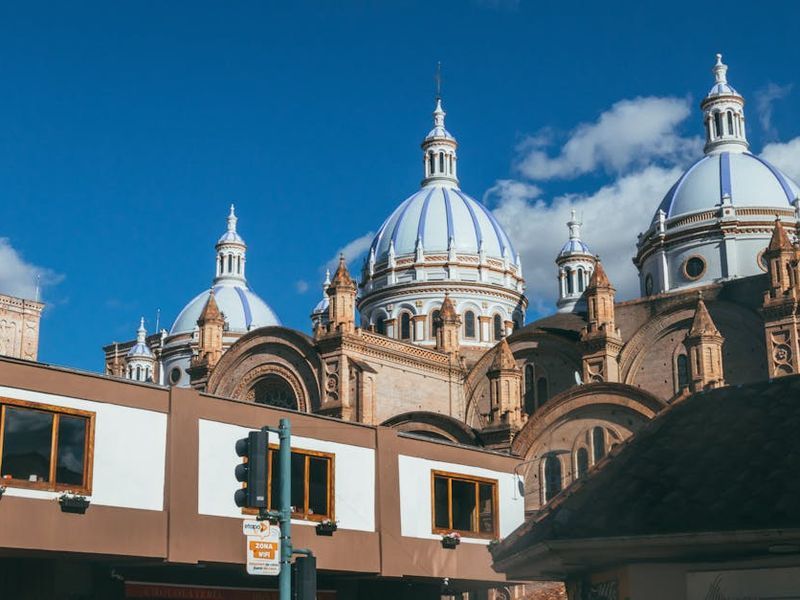
The Centro Histórico — the area around Parque Calderón and the Tomebamba River — is Cuenca’s beating heart. Cobbled streets, colonial architecture, museums, artisan shops and a dense concentration of cafes and restaurants make this an ideal spot for people who want to walk everywhere.
Pros: Walkability, charm, active cultural life, easy access to shops and doctors. Great for first-time visitors and those who want to immerse themselves in Cuenca’s social scene.
Cons: Noise from tourists and nightlife in some blocks, limited parking, older buildings with narrow staircases and sometimes no elevator. Rents can be surprisingly high for prime historic apartments.
2. San Sebastián
San Sebastián is a colorful, bohemian neighborhood just south of the Historic Center. It has steep streets, artisan workshops, and a lively local atmosphere. San Sebastián attracts artists, students and expats who want an authentic barrio vibe with convenient access to the center.
Pros: Creative energy, great food stalls and markets nearby, more affordable than prime historic blocks.
Cons: Hilly streets may be challenging for people with mobility issues. Some parts are noisy and narrow.
3. Miraflores
Miraflores blends residential calm with the conveniences of a mid-size city. It’s close to hospitals and universities, making it popular with families and retirees who prioritize healthcare access and quieter streets. You’ll find parks, bakeries, and small supermarkets within walking distance.
Pros: Family-friendly, good medical access, quieter nights, variety of housing types from modern apartments to small houses.
Cons: Less tourist infrastructure, fewer English-speaking services than Centro, some areas can be residentially plain.
4. El Vergel and North/West Suburbs
El Vergel and nearby western neighborhoods have newer developments, shopping centers and private schools. These zones are popular with expat families seeking modern apartments or houses with parking, gated complexes, and green space.
Pros: Modern amenities, larger living spaces, gated communities, plenty of supermarkets and malls.
Cons: Slightly farther from the Historic Center; depending on traffic you may need a car. Can feel less traditionally “Ecuadorian.”
5. Yanuncay and Riverside Neighborhoods
Neighborhoods along the Yanuncay River and other riverside areas offer a quieter pace and easy access to riverside parks and walking trails. They’re attractive to those who value outdoor time and green views.
Pros: Less tourist footfall, peaceful walks by the river, good for runners and dog owners.
Cons: Fewer late-night amenities; some blocks are under development with varying infrastructure.
6. Totoracocha and Northern Outskirts
These residential outskirts are among the most affordable without sacrificing city access. Long-term renters and local families live here, and you’ll find a mix of older homes and new builds.
Pros: Affordable rents, quieter environment, larger yard options for gardening or pets.
Cons: Public transport may be slower; fewer English-speaking expats and limited nightlife.
7. Luxury and Gated Communities
For those who want a higher level of privacy and security, Cuenca has gated communities and modern apartment complexes that offer amenities like guards, playgrounds and gyms. These are concentrated in newer development areas and near major road corridors.
Pros: Security, modern amenities, good for families with young children.
Cons: Higher monthly costs and HOA fees. Less integration with local neighborhood life.
Rent and Cost Expectations by Neighborhood
Cuenca uses the U.S. dollar, which simplifies budgeting for many expats. Below are rough monthly price ranges (USD) to guide you; actual prices vary with size, condition, furnishings and exact location.
- Centro Histórico: Studio or 1-bedroom $350–800; 2-bedroom $600–1,200 depending on renovation and views.
- San Sebastián: 1-bedroom $250–600; 2-bedroom $400–900.
- Miraflores: 1-bedroom $300–700; family homes $600–1,300.
- El Vergel / newer suburbs: 2–3 bedroom condos and houses $500–1,500.
- Totoracocha / outskirts: Lower rents $200–600 for modest apartments or houses.
Utilities (electricity, water, gas) can be modest due to the mild climate—expect $30–80/month depending on usage. Internet is generally reliable; plans typically run $25–50/month for reasonable speeds. Many apartment listings include basic utilities in the rent, but confirm details before signing.
Safety, Healthcare and Practicalities
Cuenca is often ranked as one of the safest large cities in Ecuador, but petty theft and pickpocketing can still occur, especially in crowded tourist zones. Standard precautions—locking doors, not flashing valuables, and using hotel safes—are wise. Many neighborhoods have active neighborhood watch groups and security guards in gated communities.
Healthcare in Cuenca is very good for a city of its size. There are public hospitals and several private clinics with specialists, dental offices and modern diagnostic services. Expats often use private clinics for quicker appointments and English-capable staff. If you rely on ongoing medication or specialized care, choose a neighborhood close to the hospitals or clinics you prefer.
Transportation and Getting Around
Cuenca’s compact center makes walking easy—especially in Centro Histórico, Miraflores and San Sebastián. For longer trips, an extensive local bus network covers the city and reaches many suburbs. Bus fares are inexpensive and buses are frequent on major routes.
Taxis are plentiful and cheap compared to North American or European prices. Ride-hailing apps have operated in Ecuador with varying availability; if you plan to use them, check current service status. Many expats opt for a small car, especially if living in newer suburbs or frequently traveling outside the city to places like Cajas National Park.
Finding Rentals: Practical Tips
Start your search online but do in-person visits before committing. Useful platforms include local classifieds and expat Facebook groups for Cuenca. Short-term stays via Airbnb or a month-to-month furnished rental are excellent ways to explore neighborhoods before signing a longer lease.
Key renting tips:
- Bring ID and references if possible. Landlords usually ask for a copy of your passport and sometimes local references.
- Expect to pay a security deposit—often one month’s rent—and sometimes the first month upfront. Read the contract for notice periods and repair responsibilities.
- Confirm what utilities are included. In some apartments, HOA (condo association) fees and garbage collection are separate.
- Check for hot water—many buildings have instant heaters or gas tanks—and ask about water pressure and the building’s elevator status if mobility is a concern.
Community, Language and Social Life
Cuenca has an active expat community with meetups, language exchanges, volunteer opportunities and clubs. Neighborhoods like Centro and San Sebastián tend to have more English speakers and international restaurants, while suburbs will require more Spanish for daily life.
Getting involved in community centers, joining a gym, or volunteering at cultural events are fast ways to meet both locals and expats. Spanish classes are affordable and widely available; even a modest improvement in language ability goes a long way in Cuenca’s day-to-day interactions.
Outdoor Recreation and Nature Access
One of Cuenca’s biggest draws is its proximity to nature. Cajas National Park is a day trip away with lakes, trekking trails and unique highland landscapes. Neighborhoods on the city’s fringes give quicker access to hiking, birdwatching and weekend markets. Riverside promenades, especially along the Tomebamba and Yanuncay rivers, offer daily walking paths and weekend leisure spots.
Final Checklist: Choosing the Right Neighborhood for You
Before you decide, walk the neighborhood at different times of day, visit nearby shops and health clinics, check internet signal in the apartment, and ask neighbors about noise and safety. Use this quick checklist as you compare options:
- Commute time to work or social hubs
- Proximity to clinics and pharmacies
- Access to grocery stores, markets and preferred restaurants
- Public transport and taxi availability
- Parking, storage and elevator access
- Sunlight, ventilation and building maintenance
- Noise levels at night and weekend tourist activity
Wrapping Up: Make a Short Visit First
Cuenca rewards those who take time to explore. A two- to six-week reconnaissance stay—split between the Historic Center and one or two residential neighborhoods—gives you the best sense of what life will feel like. Try living like a local: shop at a neighborhood mercado, use buses and taxis, and attend community events. That hands-on experience will tell you more than photos and descriptions ever could.
Whether you choose the colonial bustle of the Centro Histórico, the bohemian hills of San Sebastián, the family-friendly streets of Miraflores, or a modern gated development in El Vergel, Cuenca offers neighborhoods that fit a wide range of lifestyles and budgets. With a bit of research and on-the-ground exploring, you’ll find the barrio that feels like home.