
Table of Contents
Why Cuenca’s Slow Pace Feels Different
Cuenca, Ecuador’s colonial jewel, moves with a tempo that surprises many newcomers. Nestled at about 2,560 meters (8,400 feet) in the Andes, its mild climate, tree-lined rivers and historic plazas encourage relaxation. That relaxed rhythm isn’t laziness — it’s a cultural preference for quality time, family, and an appreciation for simple pleasures. If you’re used to a faster metropolis, you’ll need some practical adjustments to feel comfortable and get the most from life here.
First Steps: Practical Tricks for the Early Days
Arrival is exciting, but the first weeks set the tone for long-term happiness. Take these simple steps to get grounded:
- Get a local SIM or eSIM from Claro or Movistar to stay connected and use maps and translation tools.
- Find a neighborhood you like by walking around different areas—El Centro, El Barranco, and Turi each offer distinct vibes.
- Open a local bank account if you’ll be here long-term; many expats find it easier for paying rent and utilities.
- Learn the basics of Ecuadorian Spanish: greetings and polite phrases will bring immediate warmth from locals.
Understand the Tempo: Business Hours and Daily Rhythms
Cuenca’s service hours and daily flow are gentler than in many North American or European cities. Shops and government offices may close for a long midday break — often between 12:30 and 2:30 p.m. — and reopen until early evening. This isn’t an obstacle; it’s an invitation to slow down too.
Tips to cope: schedule appointments for mornings, allow extra time for bureaucratic tasks, and use the midday break for a long lunch or a walk along the Tomebamba River. Embracing a later lunchtime as the main meal of the day will help you blend in and reduce frustration.
Health and Altitude: Take It Easy, Then Explore
The elevation in Cuenca can affect newcomers. Headaches, mild shortness of breath, or fatigue are common for the first few days. Keep these health tips in mind:
- Hydrate well and avoid heavy exertion the first 48–72 hours.
- Wear layered clothing—mornings can be cool, midday pleasantly warm, and evenings chilly.
- Carry sunscreen and sunglasses; UV exposure is stronger at altitude.
- If you have chronic health conditions, bring a supply of medication and locate private clinics near your neighborhood.
Find Your Corner of the City: Neighborhoods and Where to Live
Cuenca’s neighborhoods each offer a different flavor. A few to consider:
- El Centro (Historic Center): Cobblestones, the blue-domed Catedral Nueva, plazas and cafés. Highly walkable and full of character.
- El Barranco: Riverside paths, art galleries, and a bohemian atmosphere—great for those who like a creative vibe.
- Turi: Perched above the city with viewpoints and quieter residential streets; expect more hills and panoramic views.
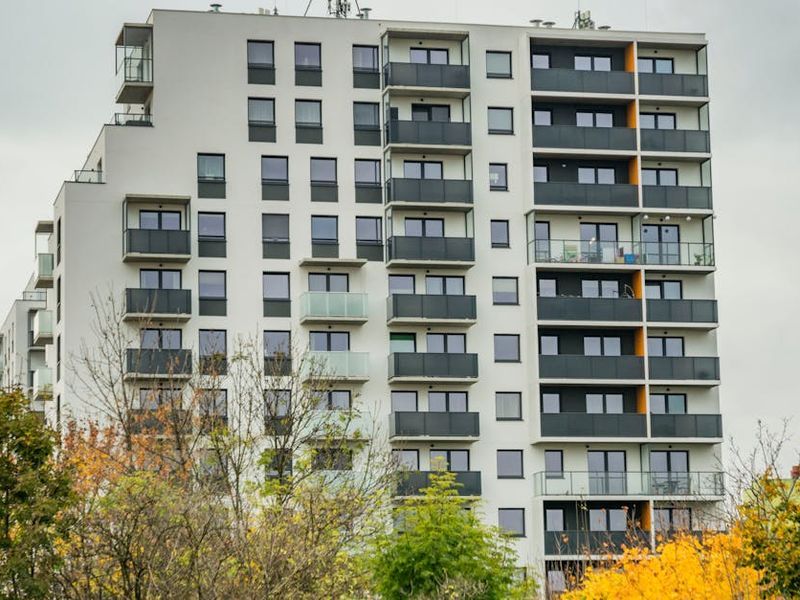
- Residential North: Newer developments, supermarkets and shopping centers—more suburban and convenient for families.
When choosing housing, check for cold nights (many older homes lack central heating) and ask about hot water, Internet speed, and water pressure. If cobblestones and stairs are a concern, seek ground-floor apartments or modern buildings with elevators.
Transport & Getting Around: Walk, Ride, or Take a Taxi
Cuenca is one of Ecuador’s most walkable cities—especially in the historic core. Strolling along the Rio Tomebamba or across Calle Larga is a daily pleasure. For longer trips:
- Local buses are inexpensive and cover many routes, though routes and stops can be confusing at first.
- Taxis are affordable; for safety and price transparency, confirm a fare before starting the ride for longer trips or late-night rides.
- Many expats use occasional Uber-like services or radio taxi numbers; a local SIM makes hailing rides easier.
Food, Markets, and Eating Like a Local
Eating in Cuenca is a highlight. Daily life revolves around fresh produce, neighborhood markets, and family-owned eateries. Visit the Mercado Central for fruits, vegetables and a lively atmosphere. If you love artisanal foods and local coffee, explore small cafés along Calle Larga and near the park areas.
Useful habits:
- Carry cash (small bills) for market stalls and many neighborhood vendors.
- Try the sopa de mote (corn-based soup) and daily menú del día at local restaurants—often fresh, affordable and filling.
- Buy local cheeses, panela, and seasonal fruits from vendors; the quality is excellent and supports the local economy.
Cultural Habits and Social Life: Blend, Don’t Compare
To adapt smoothly, recognize that social norms in Cuenca favor warmth and patience. Greetings often include a light cheek kiss in social settings. People take pride in family and community — you’ll notice lively family gatherings and neighborhood connections.
Ways to engage without overwhelming yourself:
- Take a Spanish class or join a language exchange to meet locals and fellow expats.
- Attend a community festival or religious procession; these events are great ways to connect with traditions and neighbors.
- Join clubs (dance lessons, hiking groups, knitting circles) or volunteer with local NGOs to build meaningful local friendships.
Keeping Busy: Hobbies, Day Trips, and Nature
Cuenca’s relaxed pace can feel meditative — or boring — depending on your mindset. Find activities that balance calm with stimulation:
- Explore Cajas National Park for brisk highland hikes and turquoise lagoons—an hour from the city and a favorite weekend escape.
- Take day trips to artisan towns: Chordeleg for silver jewelry and Gualaceo for textiles and woven goods.
- Learn a new craft—Panama hat weaving, pottery or a culinary class centered on Ecuadorian cuisine are fun and help you connect to local culture.
Work & Productivity: Creating Structure in a Slow City
If you work remotely or freelance, crafting a routine will keep you productive. Consider these tactics:
- Use coworking spaces or café rotations to separate home comforts from work time—many cafés offer decent Wi-Fi and relaxed atmospheres.
- Bundle errands to fit with midday closures and avoid frustration (e.g., bank in the morning, market midday, appointments in the afternoon).
- Respect the local rhythm but set personal deadlines; blending the two creates less stress and better quality of life.
Money, Safety, and Daily Logistics
Cuenca is generally safe compared with large cities, but petty crime like pickpocketing can occur in crowded places. Use common-sense precautions—secure bags, avoid flashy jewelry, and stay aware at markets and bus stops.
Financial tips:
- Carry some cash for local vendors, but use cards in larger supermarkets and restaurants.
- Ask neighbors or expat groups for recommendations on reliable doctors, labs and pharmacies.
- Consider local health insurance or an international plan depending on your residency status and needs.
Patience with Bureaucracy: Expect Delays and Keep Records
Administrative tasks — residency paperwork, utility setups, or vehicle registrations — often take longer than you expect. Keep photocopies of all documents, be polite and persistent, and use a local fixer or attorney for complex processes. Building a relationship with a bilingual professional can save time and headaches.
Staying Connected: Expat Groups and Local Friends
One of the fastest ways to feel at home is to meet people. Cuenca has a lively international community, plus many locals who enjoy meeting foreigners. Platforms like Facebook groups, local expat forums, and community boards at cafés list language exchanges, meetups, and volunteer opportunities.
Tips for social success:
- Mix social circles—spend time with both expats and Ecuadorians to avoid echo chambers.
- Attend neighborhood events and get to know shopkeepers and market sellers; these relationships make daily life easier and more enjoyable.
Final Thoughts: Make the Pace Part of the Pleasure
Adapting to Cuenca’s relaxed lifestyle is less about forcing yourself to slow down and more about discovering what the city’s rhythm offers: better work-life balance, community connections, and time to savor small pleasures. Combine practical preparation (health, housing, logistics) with intentional social steps (Spanish classes, clubs, volunteering) and you’ll find the city’s calm is an asset — not a compromise.
Remember: patience and curiosity are your best tools. Give yourself permission to take the first six months as a learning period. With time, Cuenca’s slower tempo often becomes the most appealing part of life here.