
Table of Contents
Why One Week Is Perfect for Cuenca
Cuenca’s compact historic center, scenic riverfront, and world-class artisan towns nearby make it ideal for a seven-day visit. In a week you can savor the city’s colonial heart, explore museums and markets, hike highland lakes, and take slow day trips to villages known for jewelry, weaving and toquilla hats—all without rushing. This guide lays out a balanced, realistic itinerary and practical advice that helps you get the most from each day.
Quick Facts and Practical Essentials
Before you dive into the plan, here are the basics every visitor should know:
- Altitude and climate: Cuenca sits around 2,560 meters (8,400 ft). Days are mild (15–20°C / 59–68°F), nights can be chilly—pack layers and a light rain jacket.
- Currency and language: Ecuador uses the US dollar. Spanish is primary; English is common in tourism spots but learning a few phrases helps.
- Transport: Taxis are inexpensive (short rides often US$2–4); municipal buses cost under a dollar. For day trips consider a shared tour or renting a car for flexibility.
- Safety: Cuenca is one of Ecuador’s safer cities if you use common-sense precautions—watch bags in crowded markets and prefer official taxis at night.
How to Use This Itinerary
This week is paced to include slow mornings and active afternoons so you experience both Cuenca’s relaxed rhythm and the best nearby attractions. Swap days depending on weather—save the Cajas National Park day for a dry day—and leave space for a favorite spot you might want to revisit.
Day 1: Arrival and Historic Center Orientation
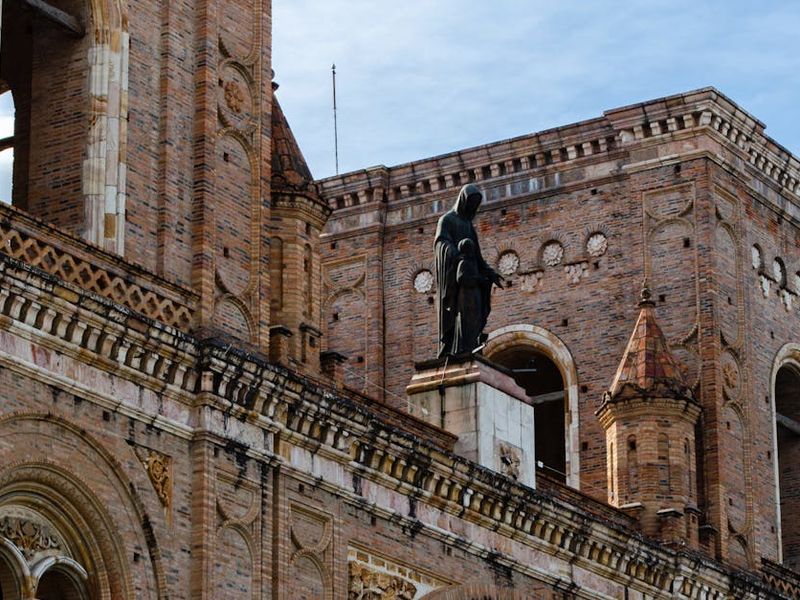
Start in Parque Calderón, the heart of the Old Town. Spend your first day wandering: climb the cathedral domes for the famous blue-tiled view, stroll Calle Larga for boutiques and cafés, and cross the Tomebamba River to admire the colonial facades reflected in the water. Pop into the Old Cathedral (El Sagrario) and look for free or low-cost art exhibits in nearby churches.
In the evening choose a restaurant on the riverfront or in the pedestrian streets—try local specialties like llapingachos (potato patties), hornado (slow-roasted pork), or a highland soup such as locro de papa to warm up after your flights.
Day 2: Museums, Markets and the Pumapungo Archaeological Park
Devote a day to understanding Cuenca’s cultural layers. Begin at Museo Pumapungo, an excellent starting point that combines archaeology, ethnography and beautiful gardens. The onsite archaeological park includes pre-Inca ruins and reconstructed stonework that tells the region’s deep history.
Afterwards, explore one of the central markets—Mercado 10 de Agosto and Mercado Central are great spots to sample fresh juices, empanadas and local cheeses. In the afternoon visit a convent museum (look for Museo de las Conceptas or similar local institutions housing colonial religious art) and finish with a hat museum or artisan workshop to learn about the famous toquilla straw hat industry—Cuenca is a prime place to buy an authentic Panama hat from honest artisans.
Day 3: Riverside Strolls, Galleries and a Coffee Crawl
Make today a slow exploration of neighborhoods along the riverside. Walk the paths beside the Tomebamba, pause at small parks and independent art galleries in the Barranco area, then indulge in a coffee crawl: Cuenca has an emerging specialty coffee scene—visit micro-roasters and cafés to taste local beans and chat with baristas about regional flavors.
Check out the artisan shops near Paseo de las Flores for handmade goods, and if you love vintage architecture, seek out old mansions open as cultural centers. End the day with a sunset view from Mirador Turi, where you’ll get panoramic shots of red roofs and the cathedral domes below.
Day 4: Cajas National Park – Lakes, Hiking and Birdwatching
Reserve a full day for Parque Nacional Cajas (about 45–60 minutes from Cuenca). The park’s highland moorlands are crisscrossed with trails that reach glacial lakes with dramatic skies—perfect for hikers and nature lovers. Popular short hikes include trails to lakes like Laguna Toreadora or Laguna Llaviuco, but there are options ranging from easy walks to tougher treks.
Bring warm clothes, good boots, water and snacks. Weather changes fast at elevation; mornings are often clearer. Keep an eye out for Andean waterfowl and the endemic flora of the páramo. If you prefer not to drive, join a guided day trip that includes transportation and a knowledgeable guide.
Day 5: Chordeleg and Gualaceo – Jewelry and Textiles
Spend a day in the artisan towns southeast of Cuenca. Chordeleg is famous for fine silver filigree and jewelry shops; stroll cobblestone streets and stop into family-run workshops where you can see craftsmen at work. Gualaceo offers vibrant textiles and markets—perfect for buying scarves, woven tablecloths, and alpaca products.
These towns are also great for tasting rural highland cuisine—look for homestyle lunches in small comedores where you’ll find hearty stews and freshly baked bread. If you’re driving, the scenic mountain road itself is part of the attraction; if not, a guided tour or private driver makes logistics easy.
Day 6: Ingapirca Ruins or Leisure Day in Cuenca
Choose between another cultural outing or a relaxed day back in Cuenca. If you’re curious about Inca history, take a half-day trip to the Ingapirca ruins, Ecuador’s most important Incan archaeological site—learn about stone masonry and local legends. The longer journey (about 1.5–2 hours each way) rewards you with remarkable stone architecture and an insightful guide-led visit.
Alternatively, spend a leisure day in Cuenca revisiting favorite cafés, shopping for gifts (authentic toquilla hats, jewelry, and textiles), and enjoying a spa treatment. Evening activities can include live music—search for small clubs around Calle Larga—or simply a slow dinner at a rooftop restaurant watching the city lights.
Day 7: Final Morning, Last-Minute Souvenirs and Departure
Use your last morning to tie up loose ends: buy any final souvenirs at the artisan markets, take a last walk by the river, and enjoy a leisurely breakfast at a café with outdoor seating. If your schedule allows, climb the cathedral towers one final time for that sweeping vista of Cuenca’s skyline—the blue domes framed by the Andes are a memorable send-off.
Plan your transport to the airport or bus terminal with extra time—Cuenca’s Jorge Chávez (Mariscal La Mar) Airport is small but efficient. For longer journeys by bus, book tickets a day ahead during peak travel times.
Practical Tips to Make Your Week Easy and Enjoyable
- Pack layers: weather shifts daily and evenings are cool due to altitude.
- Hydrate and pace yourself: altitude is moderate but can affect some visitors—take it easy on day one and avoid heavy exertion until you feel acclimatized.
- Money matters: ATMs are widely available; small businesses may prefer cash. Tipping is appreciated but not mandatory—around 10% in restaurants if service is good.
- Connectivity: Many cafés and hotels offer free Wi‑Fi, but consider a local SIM if you need reliable data for navigation on day trips.
- Responsible shopping: buy real toquilla hats (look for handwoven tags and reasonable price ranges), ask about origin and production, and support small artisan workshops when possible.
Health and Safety
Cuenca has solid private clinics and pharmacies. Carry basic medications and consult with your health provider about altitude precautions if you have pre-existing conditions. Always use hotel-suggested taxis at night and avoid displaying expensive jewelry or large amounts of cash in public.
Getting Around
Walking is the best way to explore the historic core. For farther destinations, taxis are affordable; negotiate a fare before you get in or ask the driver to use the meter. If you plan several day trips, renting a car gives independence but be prepared for mountain roads—drive during daylight and check weather forecasts.
Where to Eat: A Local Food Guide
Cuenca’s dining scene ranges from humble markets to refined bistros. Don’t miss these local favorites:
- Breakfast: Try a hearty plate with bolon (green plantain dumpling) or a light empanada with fresh fruit juices.
- Lunch: Look for the daily menú—affordable multi-course meals served in local restaurants featuring soup, main, and drink.
- Dinner: For a splurge, seek out a restaurant that focuses on local Andean ingredients with modern twists—think trout, quinoa dishes, and creative uses of native potatoes.
- Street food: Sample tropical juices, tamales, and empanadas at market stalls for authentic, inexpensive bites.
Responsible Travel: Leave Cuenca Better Than You Found It
Support local economies by buying directly from artisans, choosing small family-run restaurants and tours with responsible guides. When visiting Cajas or other natural sites, stick to marked trails, pack out what you bring in, and respect wildlife. Sustainable tourism helps ensure the landscapes and traditions you enjoy are preserved for future visitors.
Final Thoughts: Slow Down and Enjoy Cuenca’s Rhythm
Cuenca rewards visitors who slow down. A week allows you to savor markets, take meaningful day trips, and return to favorite corners of the city without feeling rushed. Whether you’re here for the colonial architecture, the artisan treasures, or the mountain scenery, you’ll leave with memories of a city that balances small-town charm with cultural richness. Pack comfortable shoes, a light jacket, and a curiosity for craft and cuisine—Cuenca will do the rest.
Ready to start planning? Book your base in or near the Old Town for easy walking access to most attractions, and set aside at least one spontaneous afternoon to follow a street you hadn’t intended to explore—some of the best discoveries happen that way.