
Table of Contents
Overview: Quito to Cuenca at a glance
Quito and Cuenca are two of Ecuador’s most beloved cities, separated by roughly 500–550 kilometers and a dramatic slice of Andean landscape. Your choice of transport — bus, plane, or car — affects travel time, cost, comfort, and the kind of experiences you’ll have along the way. This guide lays out the practical details, highlights, and real-world tips so you can pick the route that fits your schedule, budget, and travel style.
How far are Quito and Cuenca? Typical travel times
The direct driving distance is roughly 500–550 km depending on the route. Expect the following general timeframes:
- Flight: about 60–75 minutes of airtime plus airport time (plan 3–4 hours total door-to-door).
- Bus: commonly 8–10 hours, depending on stops and road conditions; overnight departures are popular.
- Car: 7–10 hours driving time if you travel non-stop; with scenic stops this turns into a full-day or multi-day road trip.
These ranges vary by season, weather, and construction. Heavy rain or landslides in the Andes can add delays, so always allow extra time, especially during the rainy season (roughly December–May, with regional variation).
Option 1 — Flying: fastest, easiest, maybe pricier
Practical details
Flights between Quito (Mariscal Sucre International Airport, UIO) and Cuenca (Mariscal Lamar / CUE) take about an hour in the air. Several daily flights normally connect the cities. Domestic flights are convenient if you have limited time or are connecting internationally from Quito.
Pros
- Saves hours — ideal for tight itineraries or business trips.
- Avoids mountain roads and altitude-related driving stress.
- Good option when traveling with limited vacation days or needing a quick return.
Cons and tips
- Airport time: factor in travel to/from airports, check-in, and security. Quito’s airport is outside the city and traffic can add time.
- Cost: flights are usually more expensive than buses, though last-minute deals appear. Book early for savings.
- Small airports: Cuenca’s airport is compact; ground transport options include taxis and airport shuttles. Confirm fares ahead of time or arrange a hotel transfer to avoid surprises.
Booking tip: compare prices across airline sites and regional aggregators, and consider mid-week flights for better rates. If you have a lot of luggage or large items (bicycles, surfboards), check baggage policies carefully — domestic fares sometimes have stricter limits.
Option 2 — Bus: budget-friendly, culturally immersive
What to expect
Buses are the most budget-friendly and popular option for many travelers. Most interprovincial buses leaving Quito heading south will arrive at Cuenca’s main bus terminal, where taxis and local buses connect you to the historic center. You’ll typically find a range of service levels, from basic coaches to comfortable executive buses with reclining seats, onboard bathrooms, and sometimes Wi-Fi.
Pros
- Cost-effective: fares are usually the cheapest way to travel between the cities.
- Overnight options: save a night of accommodation and arrive in the morning refreshed.
- Social and scenic: traveling by bus gives you glimpses of Andean towns, markets, and changing landscapes.
Cons and practical tips
- Time: buses take significantly longer than flights.
- Comfort varies: if you’re sensitive to long rides pick VIP or semi-cama services for better recline and legroom.
- Book ahead during holidays: major festivals (Semana Santa, Carnaval, Christmas) increase demand and buses can sell out.
- Terminals: in Quito most southbound interprovincial buses board from the southern terminal (Quitumbe) though some companies use other terminals; arrive early and keep your ID handy.
- Safety: keep valuables close, verify luggage tags, and avoid traveling with all cash in one place.
Comfort tip: choose a daytime bus if you want landscape views, or an overnight bus if you want to maximize daytime in each city. Bring layers — buses can be chilly at altitude — and motion-sickness remedies if you’re prone to nausea on mountain roads.
Option 3 — Driving: freedom, flexibility, and scenic stops
Why drive?
Driving gives you the freedom to stop in towns, visit viewpoints, or detour to attractions like the Nariz del Diablo area near Alausí, the markets of Ambato, or other lesser-known gems. For expats settling in Ecuador, a road trip is a great way to learn the geography, feel for regional cultures, and transport belongings on a gradual schedule.
Route and road conditions
The most common driving route runs along the Pan-American corridor through the highlands — passing or skirting cities such as Latacunga, Ambato, Riobamba, and Alausí before approaching Cuenca. Roads are paved and generally well-maintained on major stretches, but be prepared for narrow sections, construction zones, and slower local traffic (trucks, buses, and livestock).
Pros
- Complete control: stop for photos, food, or rest when you want.
- Ideal for groups or families who want to carry more luggage or equipment.
- Can visit off-the-beaten-path places not served by direct buses or flights.
Cons and safety tips
- Mountain driving requires attention: steep grades, hairpin turns, and variable weather demand careful driving and good brakes.
- Navigation: use a reliable GPS and offline maps — cell coverage can be spotty in mountain passes.
- Parking in Cuenca’s historic center can be limited; plan for a parking lot or hotel with parking rather than searching for street spots.
- Rental considerations: if renting, choose full insurance (LDW), confirm drop-off terms, and inspect the car thoroughly before driving off.
Pit stop suggestions: Ambato has vibrant markets and bakeries; Riobamba is a gateway to Chimborazo and mountain views; Alausí is the starting point for the famous Devil’s Nose train if you want a railway adventure. Allow at least a full day if you plan to stop and explore.
Comparing costs: a realistic range
Costs change with season and availability, but here are ballpark figures to plan by:
- Bus: $10–$30 one-way depending on service class and operator.
- Flight: $70–$200 one-way, with cheaper fares when booked in advance and during promotions.
- Car rental: roughly $30–$70 per day plus fuel (expect to spend $40–$80 on fuel for the Quito–Cuenca drive, depending on vehicle efficiency) and insurance. Add tolls and parking as extras.
Remember: buses usually include luggage in the ticket price. Flights sometimes charge baggage fees that can narrow any price gap.
Arrival in Cuenca: where you’ll arrive and how to get to the center
Arrivals differ by mode:
- Flight arrivals land at Cuenca’s airport; taxis and shared shuttle services connect to the historic center and hotel zones. Expect a 20–40 minute transfer depending on traffic.
- Buses arrive at Cuenca’s main bus terminal, conveniently connected to local buses and taxis for short trips into town.
- If you drive, be prepared for narrow streets in the historic center (a UNESCO World Heritage site). Many travelers park in secure lots or park-and-walk areas rather than driving through the oldest sectors.
Tip: Cuenca’s historic center is compact and walkable. If you’re staying in the center, choose a hotel within walking distance to minimize the need for taxis. For those arriving late at night, confirm your hotel’s late check-in policy or pre-book a trusted taxi from the terminal or airport.
Personal safety, practical tips, and local customs
General safety between Quito and Cuenca is good on main roads, but basic precautions apply:
- Carry a copy of your passport and keep the original safe. For bus travel, you will usually need an ID (passport or cedula).
- Book bus tickets through official booths or reputable online platforms; avoid unofficial sellers on the street.
- If driving, slow down on curves and follow local speed limits; police sometimes use speed cameras and checkpoints are routine. Keep your vehicle paperwork handy.
- Keep small change and local cash (USD) for markets, small taxis, and tips. Ecuador uses the US dollar, which simplifies budgeting.
Weather & clothing: both Quito and Cuenca have spring-like climates year-round but can be chilly in mornings and evenings due to altitude. Pack light layers, a waterproof jacket, and comfortable walking shoes — especially for exploring Cuenca’s cobbled streets.
Who should choose which mode?
Here’s a quick decision guide based on common traveler types:
- Short on time or connecting to flights: fly.
- Traveling on a tight budget or seeking a local travel experience: bus.
- Want to explore towns en route, travel with a lot of luggage, or prefer flexibility: drive.
- Want a balance: consider driving one way and flying or taking the bus back to avoid repeating miles.
Sample itineraries and suggestions
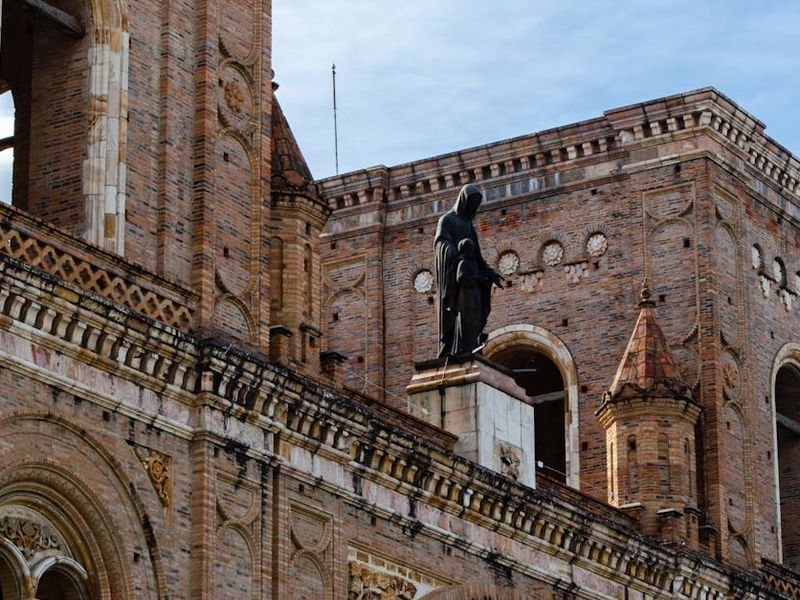
Day trip alternative: If you’re in Quito with a full day and resilient energy, an early flight to Cuenca and a late return could give you a taste of Cuenca’s cathedral, museums, and riverside paseo. This is tight but doable for experienced travelers.
Slow-travel route: Drive over two days with an overnight stop in Riobamba or Ambato. Explore local markets, try roadside fruit stalls, and perhaps take a short detour to a viewpoint or hot springs. This turns travel time into travel experience.
Economy traveler: Book an overnight bus. Bring earplugs, a neck pillow, and a charger. Reserve a seat on the upper deck or in the front for smoother motion.
Final practical checklist
- Check weather and road advisories before leaving, especially in rainy months.
- Compare total door-to-door time, not just in-air time when weighing flights.
- Reserve accommodations and transport in high season or during festivals.
- Pack layers, snacks, and water for longer journeys.
- Confirm local pickup or drop-off details with your hotel ahead of arrival.
Conclusion
There’s no single “best” way from Quito to Cuenca — only the best option for your priorities. Fly if you want speed and convenience. Take the bus to save money and soak up local rhythm. Drive if flexibility and roadside discoveries appeal to you. No matter how you travel, the route between these two cities offers highland scenery, regional culture, and the chance to discover Ecuador beyond the guidebook.
Ready to plan? Check schedules and prices for your dates, and don’t forget to leave room for spontaneous stops — some of the most memorable moments in Ecuador happen at the corner of an unplanned detour and a scenic overlook.