
Table of Contents
Why Cuenca Works for a Dental Retreat
Cuenca, Ecuador blends modern dental clinics with a walkable, low-stress city center and the comfort of U.S. dollar pricing. The city’s UNESCO-listed historic core, tree-lined riverbanks and manageable altitude make it an attractive place to pair dental care with a few days of rest and gentle sightseeing. For many travelers, the cost savings, English-friendly services and abundance of comfortable lodging make Cuenca a practical option for dental work.
Types of Dental Trips and How They Affect Your Plan
Not all dental travel is the same. Your itinerary will vary hugely depending on the treatment you need.
- Simple procedures: cleanings, fillings or single extractions can be handled in a short stay (typically 2–4 days).
- Restorative work: crowns, root canals and several fillings often require an initial appointment and a follow-up—plan 5–7 days if the clinic can complete everything quickly.
- Implants and major reconstructions: often require staged visits over months for healing. Many clinics offer options like immediate provisional crowns, or they’ll place the implant and schedule you to return after osseointegration (2–6 months).
Knowing the procedure type ahead of time helps you book flights and accommodation, and ensures you leave enough recovery time to relax and avoid rushing through the post-op period.
How to Choose the Right Clinic in Cuenca
Selecting a trustworthy clinic is the foundation of a successful dental vacation. Start with these practical steps:
- Request credentials: ask for dentist qualifications, photos of their facility, sterilization protocols and before/after case examples. Many reputable clinics will gladly share these.
- Read recent reviews: focus on multi-platform feedback—Google, Facebook and expat forums—to spot consistent strengths or red flags.
- Ask for a written treatment plan: a clear plan with timelines, materials, digital x-rays and full pricing avoids surprises. Make sure it outlines follow-up care and warranty terms.
- Check language support: confirm if staff speak English or can provide a translator. Clear communication is essential for consent and post-op instructions.
- Verify payment options: Ecuador uses the U.S. dollar, which simplifies budgeting—however, confirm whether the clinic accepts cards or prefers cash and whether they charge an international processing fee.
Timing Your Trip: Sample Itineraries
Here are two sample timelines to match common dental needs:
Short & Simple (3–5 days)
- Day 1: Arrival, light activity, brief consultation and x-rays if needed.
- Day 2: Procedure (filling, extraction or cleaning). Stay nearby, rest the remainder of the day.
- Days 3–4: Recovery and gentle sightseeing—riverside walks, museums, cafés.
- Day 5: Final check and departure.
Implant Staged Visit (7–10 days for first stage)
- Day 1: Arrival and in-person consult, full records and planning.
- Day 2: Imaging and pre-op labs (if required).
- Day 3: Implant placement surgery; plan to rest and avoid strenuous activity.
- Days 4–7/10: Recovery days with short, easy outings and follow-up checks.
- Later: Return for restoration after healing or coordinate with your local dentist for final prosthetics if necessary.
Where to Stay: Neighborhoods and Accommodation Tips
Choosing lodging close to your clinic makes recovery easier. Consider these Cuenca neighborhoods and accommodation types:
- Historic Center (El Centro): ideal for short stays—close to clinics, pharmacies, restaurants and Parque Calderón. Cobblestone streets and colonial architecture are charming, but ask about elevators if mobility is a concern.
- Near the Tomebamba River: quieter riverside spots give easy, flat walks which are pleasant during recovery.
- Residential neighborhoods: areas a short taxi ride away can provide quieter nights and more space if you need a longer recovery stay.
- Accommodation features to prioritize: kitchenette (soft-food prep), elevator or ground-floor access, comfortable pillows, heating (Cuenca can be cool), and proximity to a 24-hour pharmacy or medical center.
Recovery-Friendly Activities in Cuenca
Post-procedure, you’ll want restful pursuits that don’t stress your body. Cuenca offers many gentle options that keep you nourished and entertained without being strenuous.
- Riverside strolls: the Paseo del Río Tomebamba features flat, scenic promenades perfect for short walks and fresh air.
- Cafés and bookstores: spend afternoons in cozy cafés with soft food options and good tea—great for reading or light work.
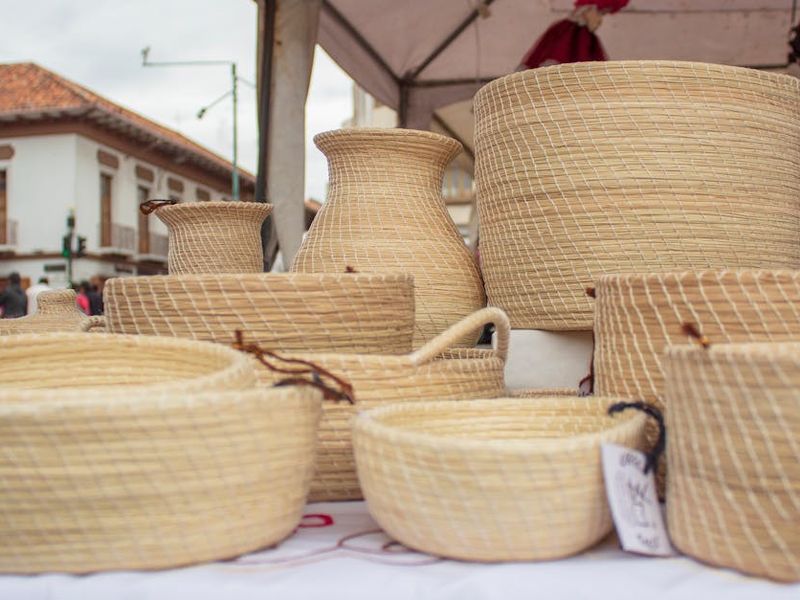
- Museums and artisan markets: small galleries and the artisan market showcase local crafts; you can browse with rests between stops.
- Easy day trips: Parque Nacional Cajas (bring warm layers) offers short viewpoints and gentle drives; the Ingapirca ruins are a cultural half-day trip rather than a long trek.
- Wellness services: book a low-intensity massage or a post-op facial, but avoid deep tissue work around your head/neck if you’ve had oral surgery.
Food, Nutrition and What to Eat After Dental Work
Eating well during recovery supports healing. Cuenca’s markets and restaurants make it easy to find soft, nutritious meals.
- Soft local favorites: locro de papas (creamy potato soup), quinoa soups, mashed avocado, soft plantains (patacones or maduros when tender), and soft cheeses are widely available.
- Easy foods to pack or buy: Greek yogurt, smoothies, pre-made soups, ripe bananas, scrambled eggs and soft fish.
- Avoid: crunchy or very sticky foods for at least a week after extractions or implant placement—no hard nuts, chips or tough meats initially.
- Hydration and altitude: Cuenca sits around 2,560 meters (8,400 ft). Hydrate well, limit alcohol for several days post-op, and be mindful that some people experience mild altitude effects—rest if you feel lightheaded.
Medications, Aftercare and Practical Supplies
Prepare a recovery kit so you won’t need to rush out after surgery. Most pharmacies in Cuenca are well stocked, but it helps to bring some items from home if you prefer specific brands.
- Prescribed antibiotics and pain relief—confirm with your dentist what will be provided and bring a copy of prescriptions in case you need refills.
- Over-the-counter pain meds (ibuprofen or acetaminophen) unless contraindicated—check with your clinician.
- Soft ice packs and reusable cold compresses, or buy upon arrival.
- Salt or saline for gentle oral rinses, alcohol-free mouthwash recommended by your dentist, and a soft-bristled toothbrush.
- Copies of dental records, x-rays on a USB or cloud link, and your global health insurance card if you have coverage for complications.
Communication, Language and Cultural Tips
Spanish is the primary language in Cuenca, but many clinics serving dental tourists have bilingual staff. Still, learning a few phrases helps.
- Useful Spanish phrases: “Tengo una cita con el dentista” (I have a dentist’s appointment); “¿Dónde está la farmacia?” (Where is the pharmacy?); “¿Cuáles son las instrucciones de cuidado postoperatorio?” (What are the post-op care instructions?).
- Use WhatsApp for quick messages—many clinics communicate appointment details and follow-ups using this app.
- Be polite and patient—Cuencanos are friendly and appreciate respectful greetings and punctuality for appointments.
Money, Insurance and Guarantees
Ecuador uses the U.S. dollar, which simplifies budgeting for many North American visitors. Still, keep these financial points in mind:
- Get a detailed quote in writing: ensure the quote includes lab fees, materials (zirconia vs. porcelain), follow-up visits and any contingency costs.
- Ask about payment plans: some clinics accept partial payments—deposit to hold your date, balance at completion.
- Warranties: reputable clinics often offer warranties on restorations. Confirm whether follow-up visits during warranty are free or discounted, and what conditions void the warranty.
Safety, Practicalities and Final Checklist
Cuenca is widely regarded as one of Ecuador’s safer cities, but common-sense precautions always apply. Keep these final tips in mind before you travel:
- Bring IDs and copies: passport, medical insurance cards and a copy of your treatment plan.
- Ask the clinic about emergency contacts: know who to call after hours—many clinics provide a 24/7 contact for urgent issues.
- Transport: use taxis called by your hotel for safe rides, or ask staff about recommended ride apps. Keep a note of your hotel’s address in Spanish for return trips.
- Pace your activities: avoid heavy exercise and long hikes in the first 48–72 hours after surgery. If you experience unusual bleeding, fever, or prolonged swelling, contact your dentist immediately.
Sample 7-Day Dental Retreat Itinerary
Here’s a realistic week-long plan for someone getting an implant placed or a set of crowns started in Cuenca:
- Day 1: Arrive; light walk around the historic center; rest and hydrate.
- Day 2: Clinic consult, digital x-rays and treatment confirmation; pick up recommended soft foods and supplies.
- Day 3: Procedure day (implant placement or crown prep); return to hotel to rest; light, soft meals.
- Day 4: Follow-up check, short riverside walk and afternoon at a quiet café with a book.
- Day 5: Gentle cultural visit (small museum or artisan market) with plenty of rest breaks.
- Day 6: Massage or wellness appointment (avoid head/neck deep work), light shopping for souvenirs.
- Day 7: Final check and departure, or schedule local follow-up if needed.
Final Thoughts: Blend Care with Calm
A dental trip to Cuenca can be more than a transaction—it can be a purposeful, restful break that supports your health and lets you experience slow, measured travel. Prioritize reliable clinical care, plan realistic recovery time, and choose gentle activities that let you enjoy the city without risking complications. With the right preparations, you’ll return home with a healthier smile and memories of a calm, restorative stay among Cuenca’s colonial charm and mountain air.
Checklist: Written treatment plan, copies of records, soft-food kit, aftercare supplies, hotel near clinic, local emergency contacts and enough recovery days built into your travel schedule.